


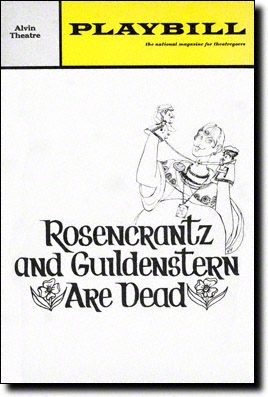
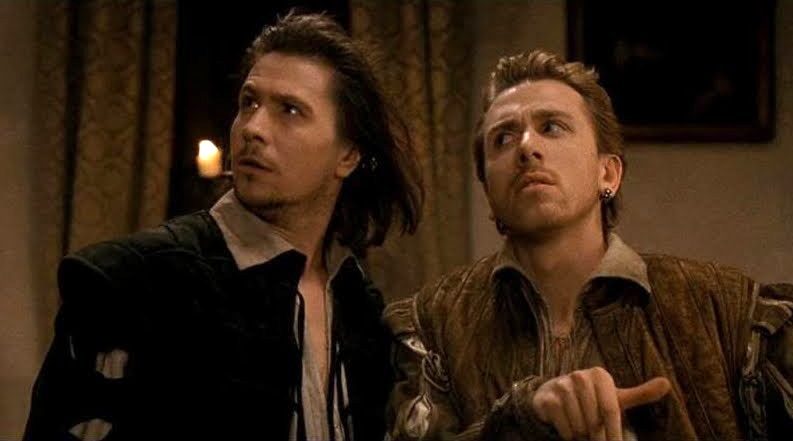
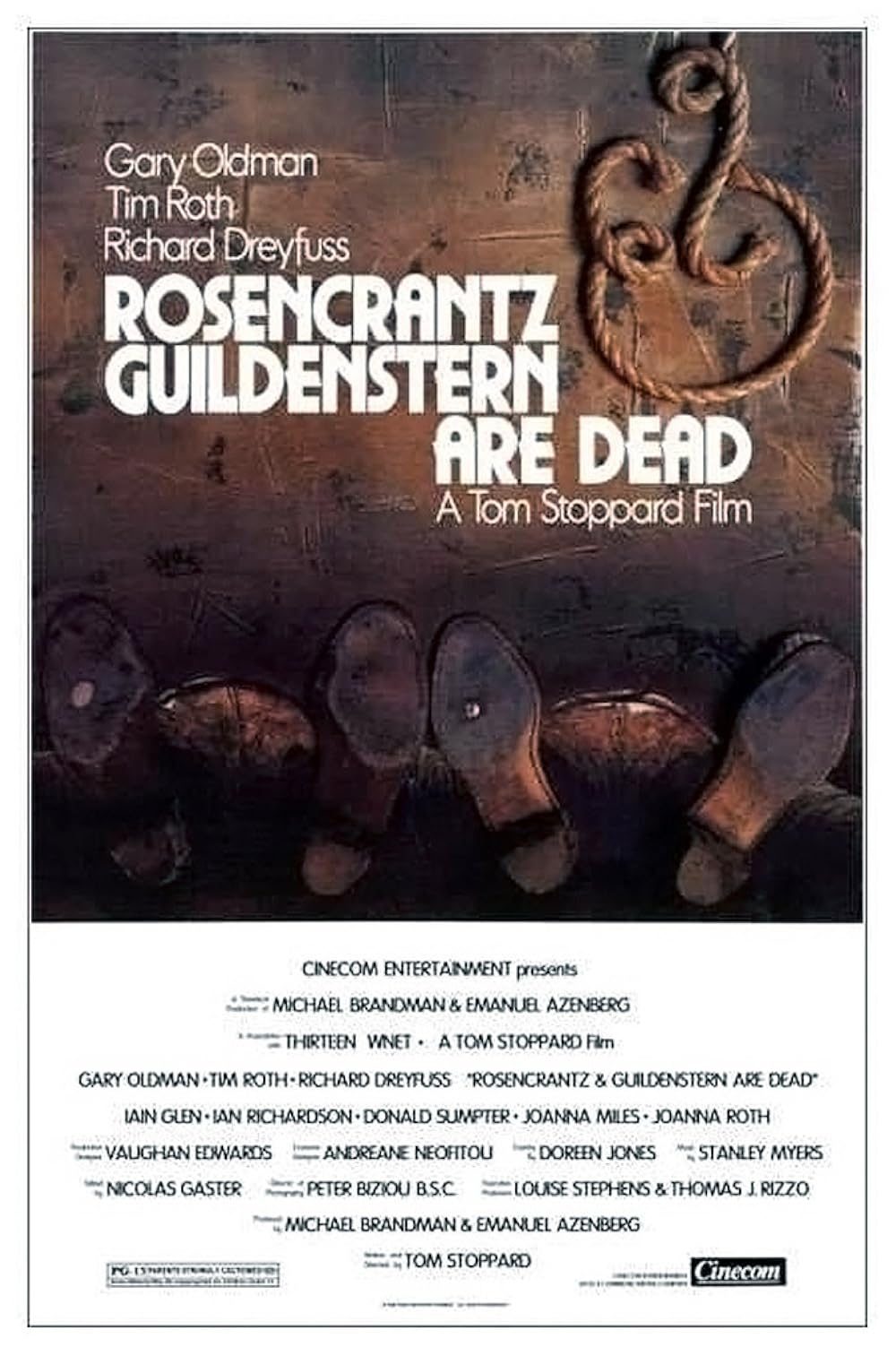
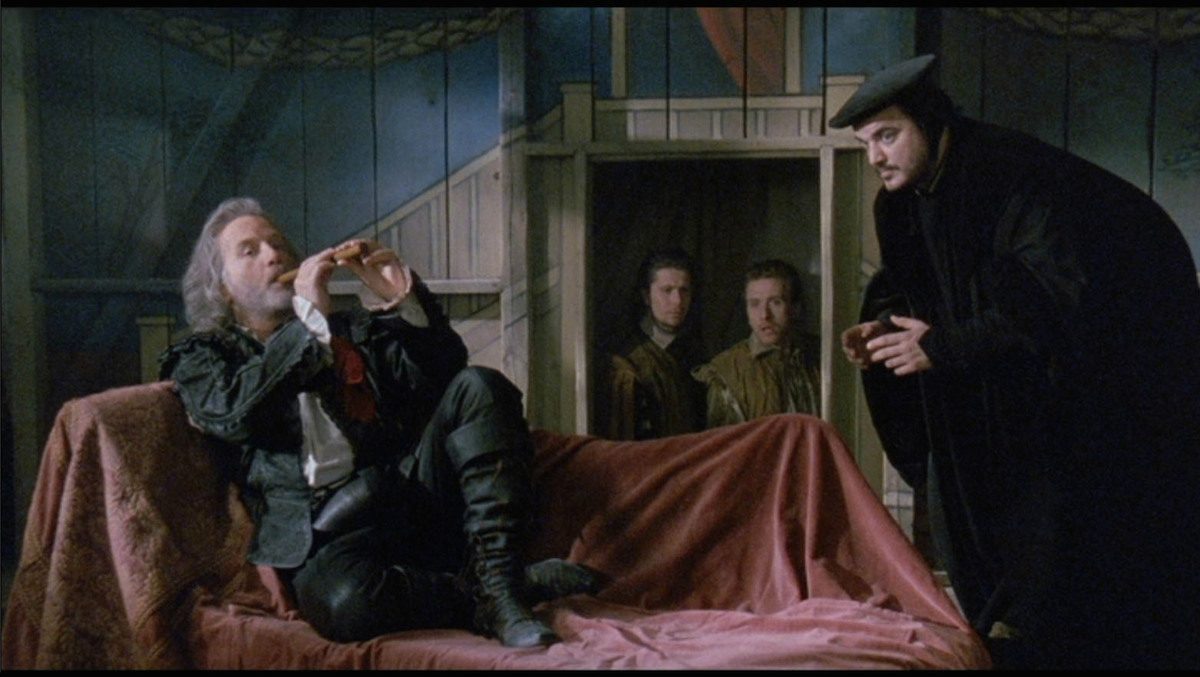
In 1966, Tom Stoppard’s Rosencrantz & Guildenstern Are Dead premiered at the Edinburgh Festival Fringe, the world’s largest performing arts festival, and combined a worm’s-eye view of William Shakespeare’s Hamlet with the existential clowning of Samuel Beckett’s Waiting for Godot. Now, 60 years later, a new stage comedy comes to the Fringe (after its current run at Cincinnati Shakespeare Company) that combines a different Shakespeare play with some old-school buddy comedy and Stoppard’s absurdist template, and makes it work far better and more hysterically than it has any right to.
Dogberry & Verges Are Scared by Michael Doherty and Will Mobley explores the fears and struggles of the two main clowns from Much Ado About Nothing, a play the authors describe as “Shakespeare’s greatest comedy” (a bold claim they follow up in the show’s marketing with, “Suck it, Midsummer”). Doherty and Mobley played these two characters in the 2023 Milwaukee Repertory Theatre production of Much Ado and enjoyed their acting collaboration so much that—like Shakespeare—they decided to become playwrights as well. Their play explores the offstage struggles of Dogberry, Messina’s constable who displays enormous confidence with little to back it up, and Verges, Dogberry’s loyal second-in-command who possesses infinite will and zero skill. Their attempts to comprehend their assignment and keep the peace during the weekend’s wedding festivities result in almost non-stop verbal and physical clowning while offering surprisingly poignant insight into the nature of both heroes and fools.
One of Shakespeare’s recurring jokes in Hamlet is that Rosencrantz and Guildenstern are so similar that Claudius can’t tell them apart, and in Stoppard’s play there is indeed little to distinguish them. They appear like two halves of a single individual trapped in a space Stoppard describes as “without much visible character” and constantly waiting for Shakespeare’s play to include them again. The title Rosencrantz & Guildenstern Are Dead (an actual line from Shakespeare’s play) isn’t just a premonition or a spoiler, it defines the condition of the two main characters. Rosencrantz and Guildenstern have no life of their own until the play of Hamlet sweeps them up into its storyline.
60 years of Rosencrantz & Guildenstern Are Dead
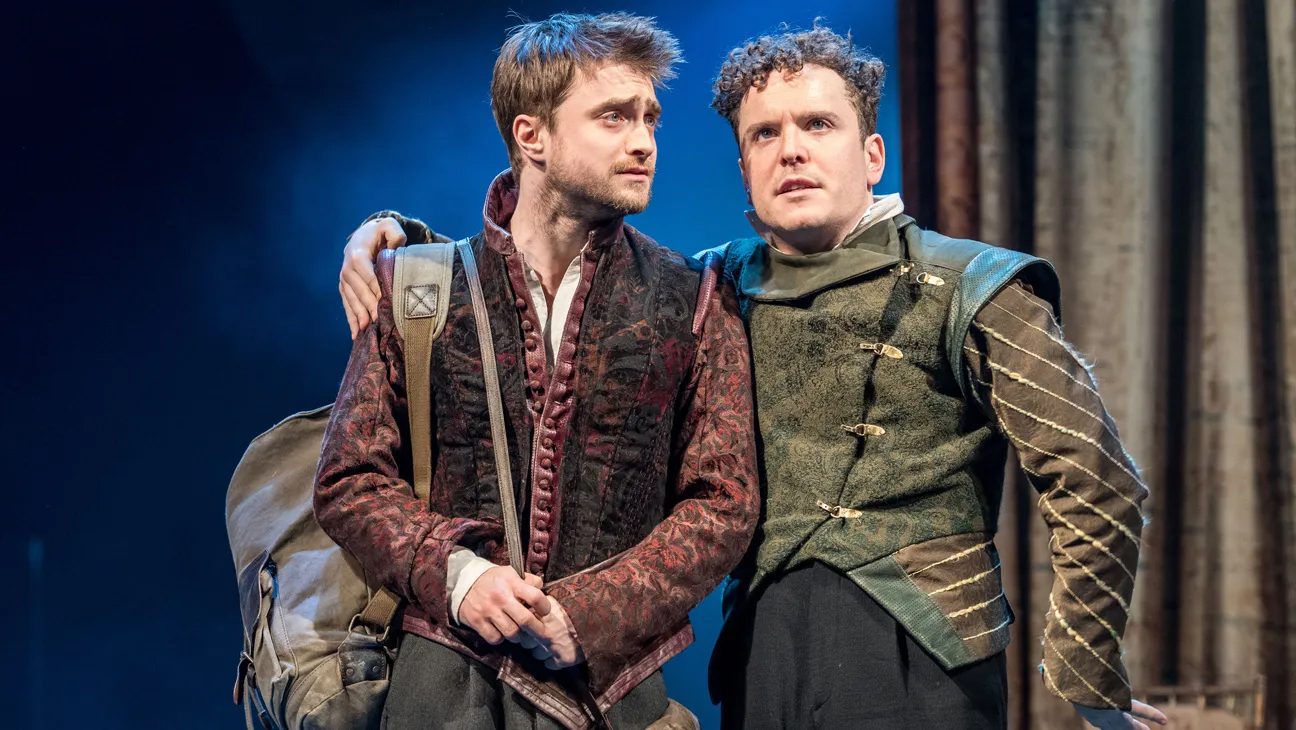

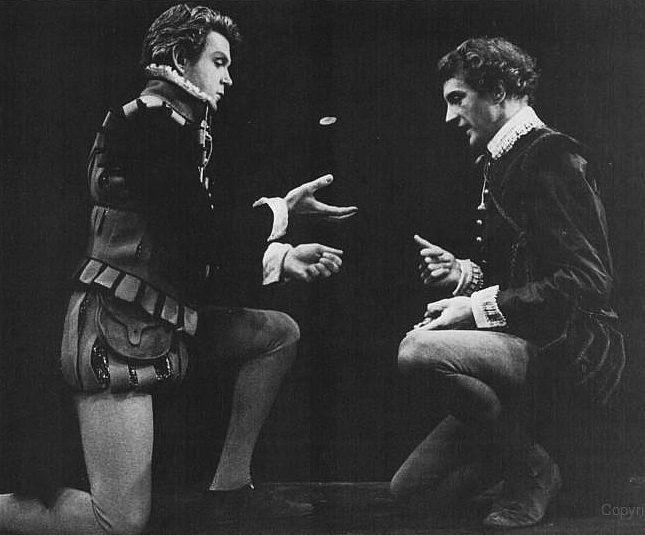
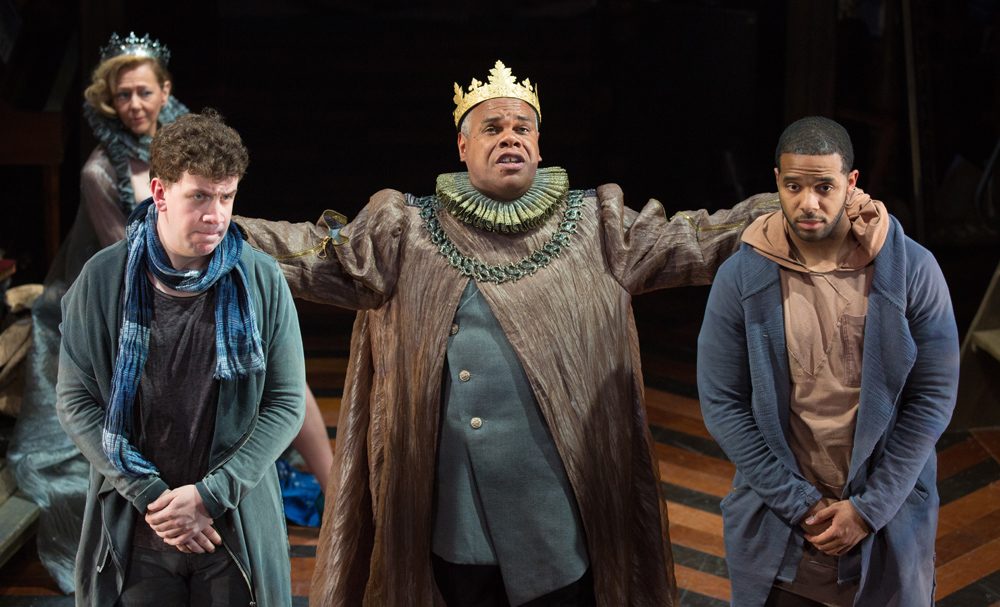
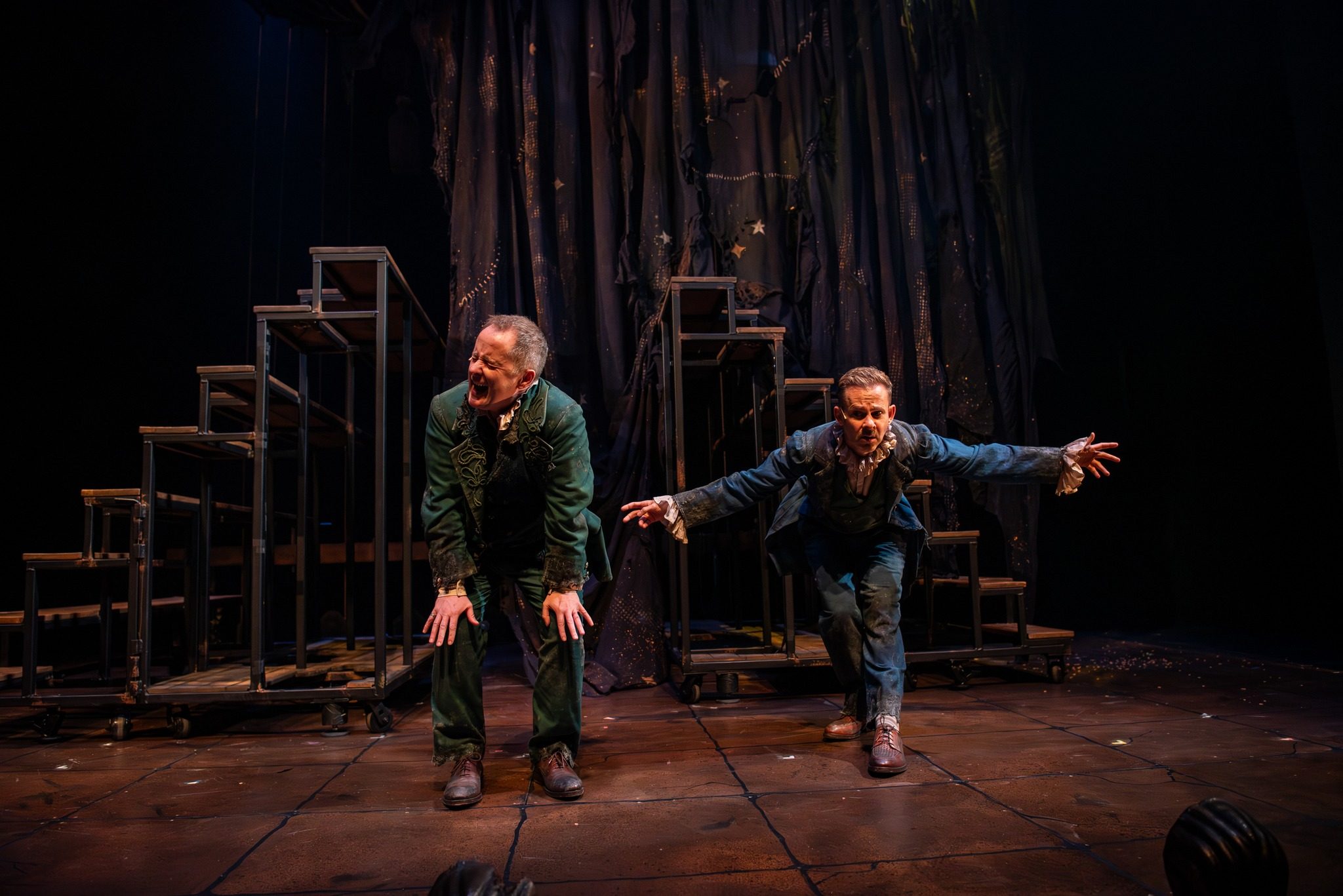
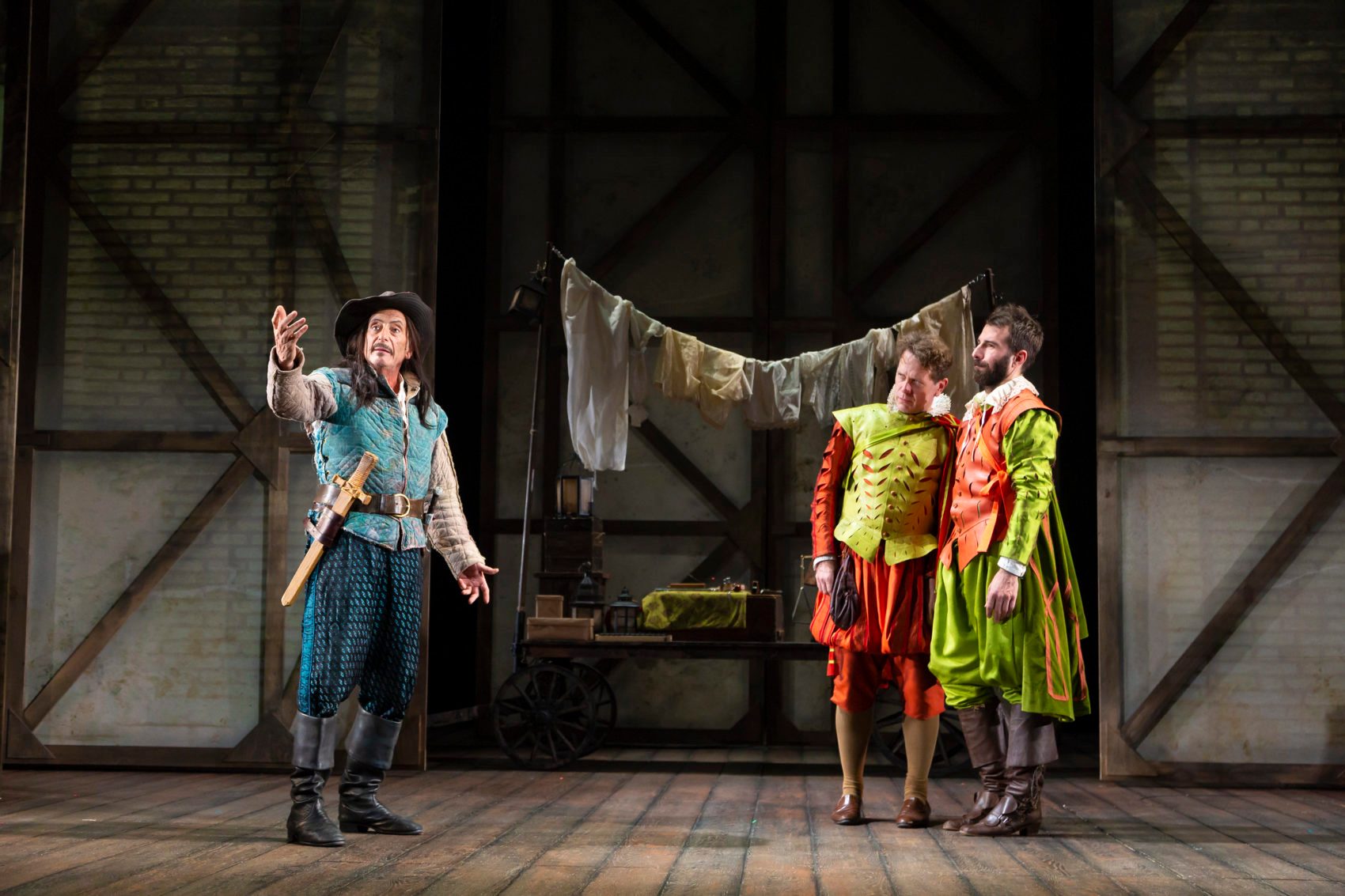
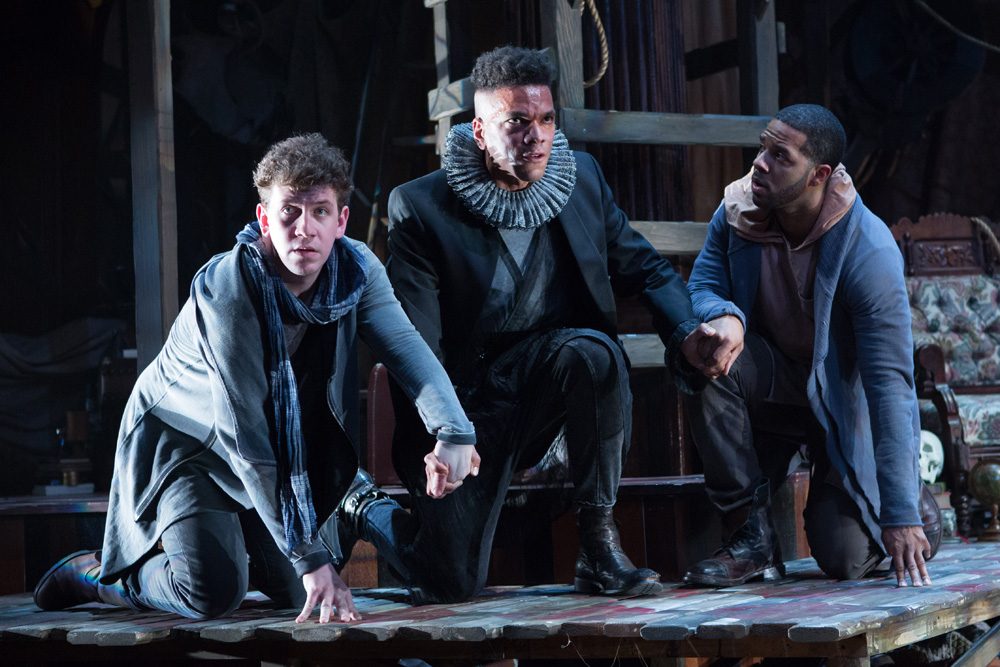
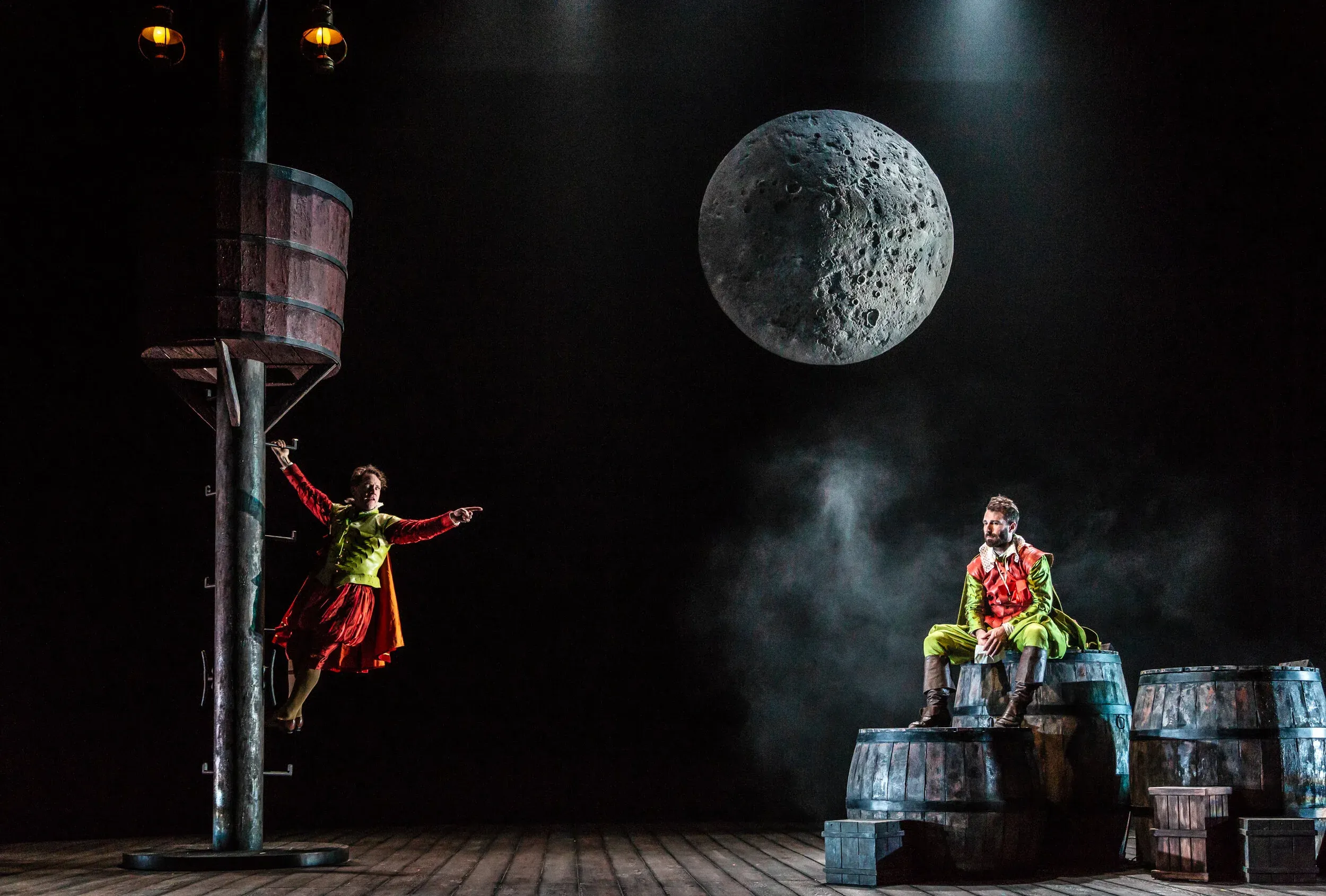
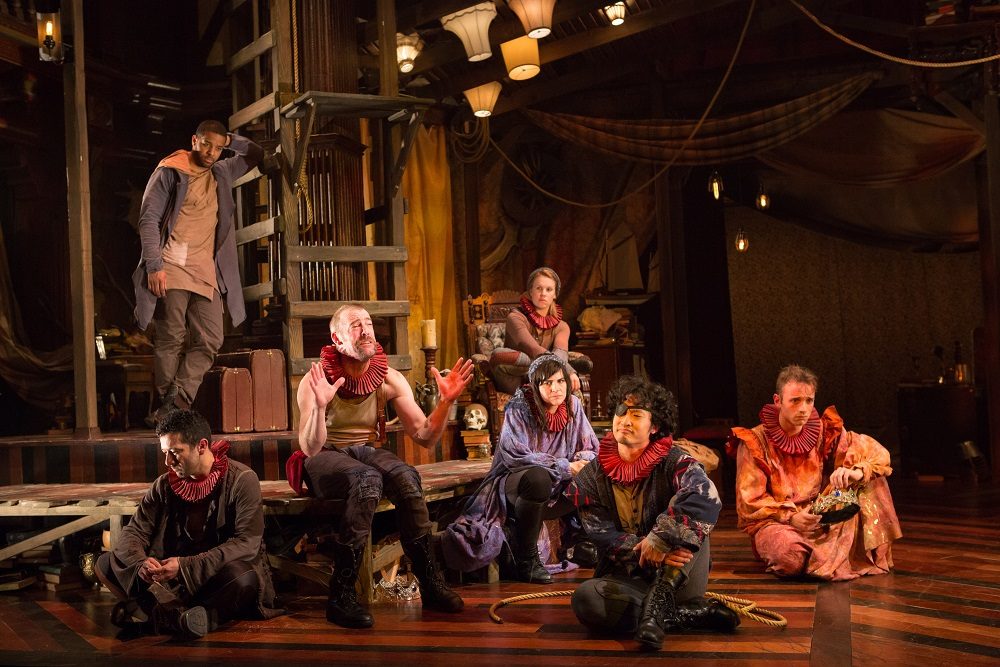
In Doherty and Mobley’s play, however, Dogberry and Verges are very much part of the Messina setting and key to the resolution of Much Ado’s happy ending. The authors discussed the importance of grounding their play in emotional honesty on my Reduced Shakespeare Company Podcast ahead of its premiere at the 2025 Philadelphia Fringe Festival, with Mobley stressing how important it was to find a director and cast that understood both “the Laurel and Hardy of it all” but were also “heart-forward” enough to lean into the pathos and genuine friendship between its two main characters. Artists who could appreciate both “the heart and the comedy math of” Dogberry & Verges were vital to making the central relationship—and the play—“worth everyone’s time.”
Both Rosencrantz & Guildenstern and Dogberry & Verges share a love of language and wordplay, role-playing, and desperate situations played in a humorous vein (and vice versa). But while Stoppard uses Shakespeare’s tragedy as the springboard for his own witty philosophizing, Doherty and Mobley accomplish something arguably trickier by digging into Shakespeare’s already very funny comedy and finding even more comic gold, as well as unexpected humanity.
Dogberry & Verges Are Scared
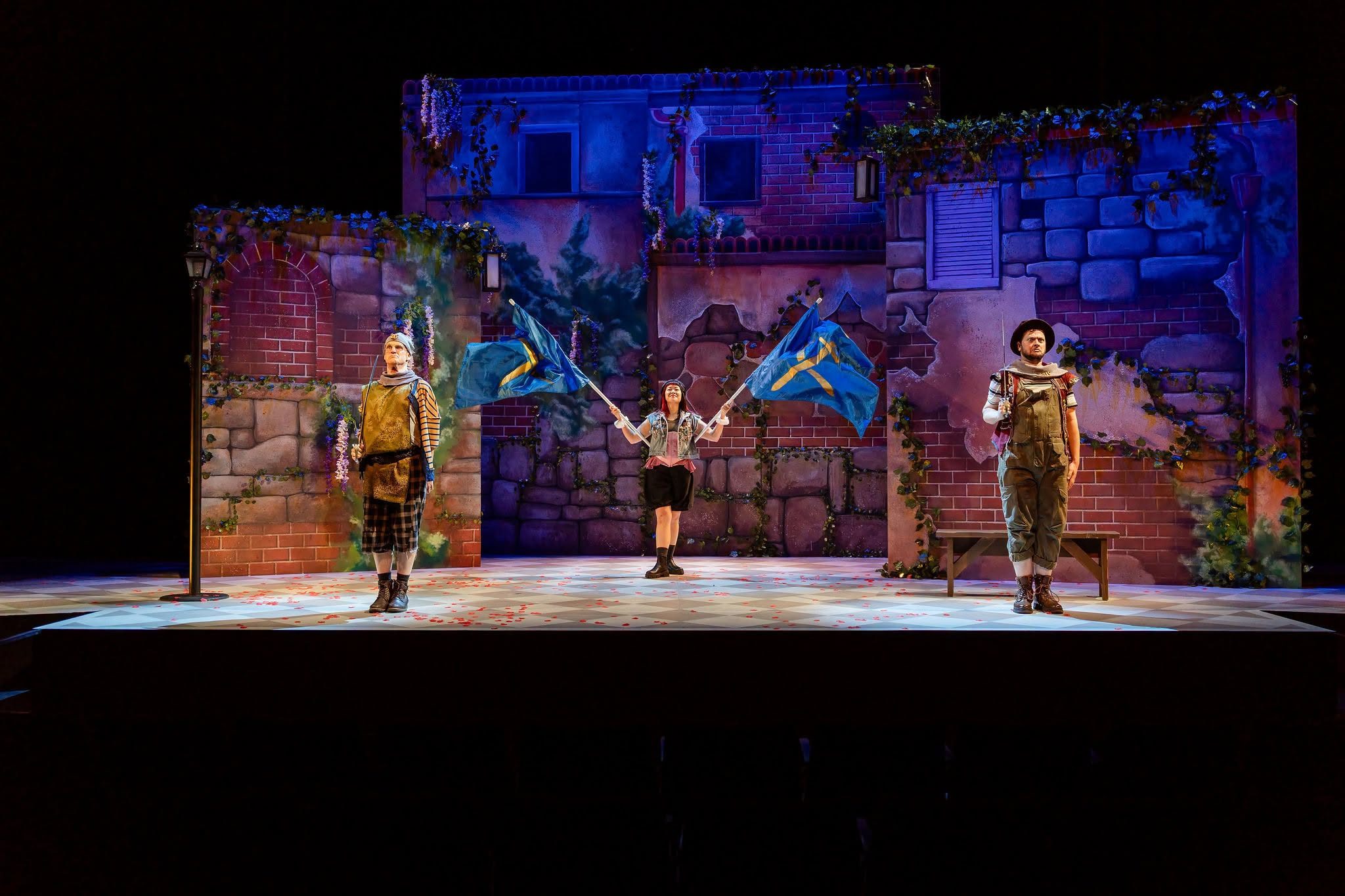

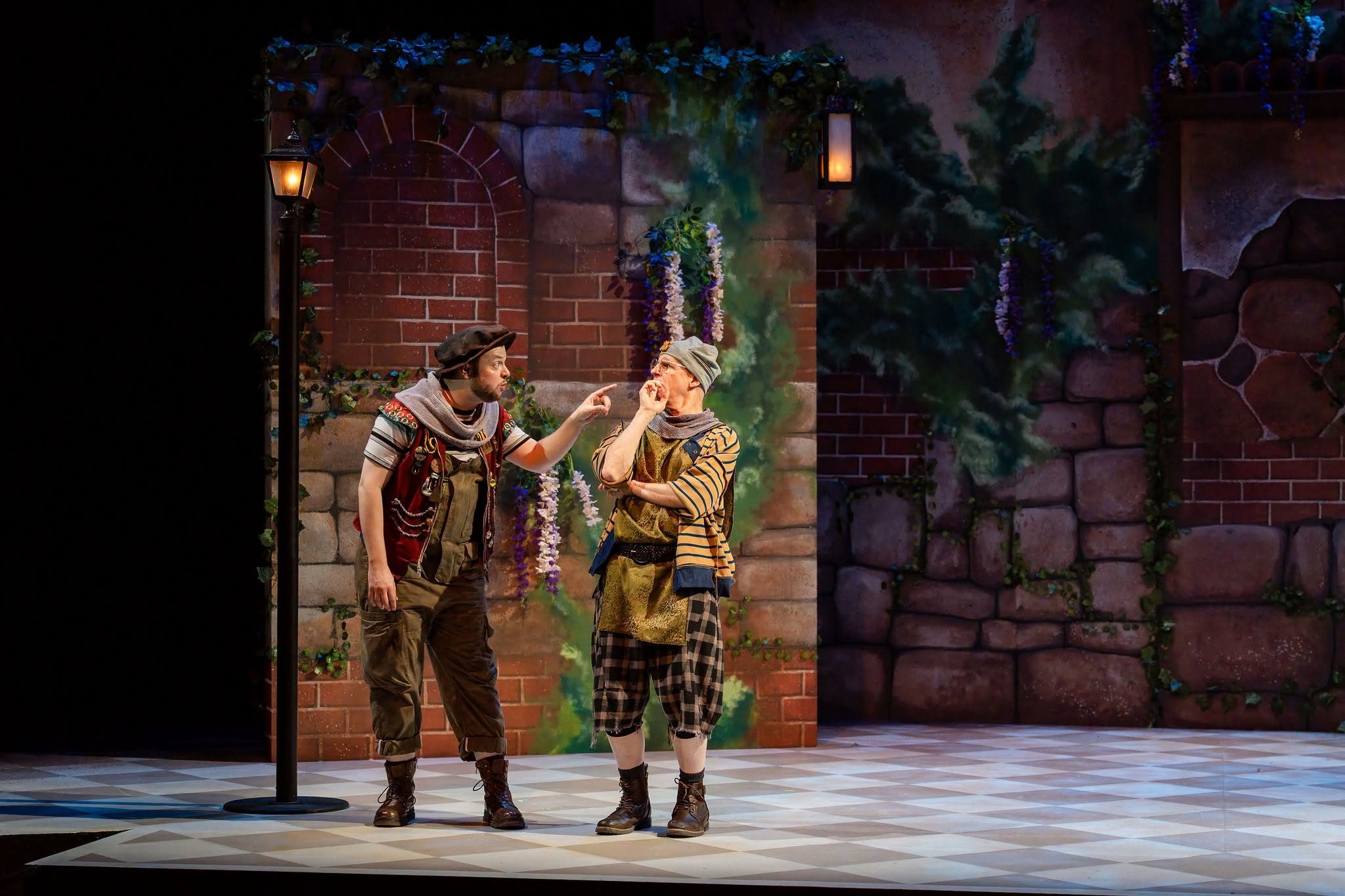
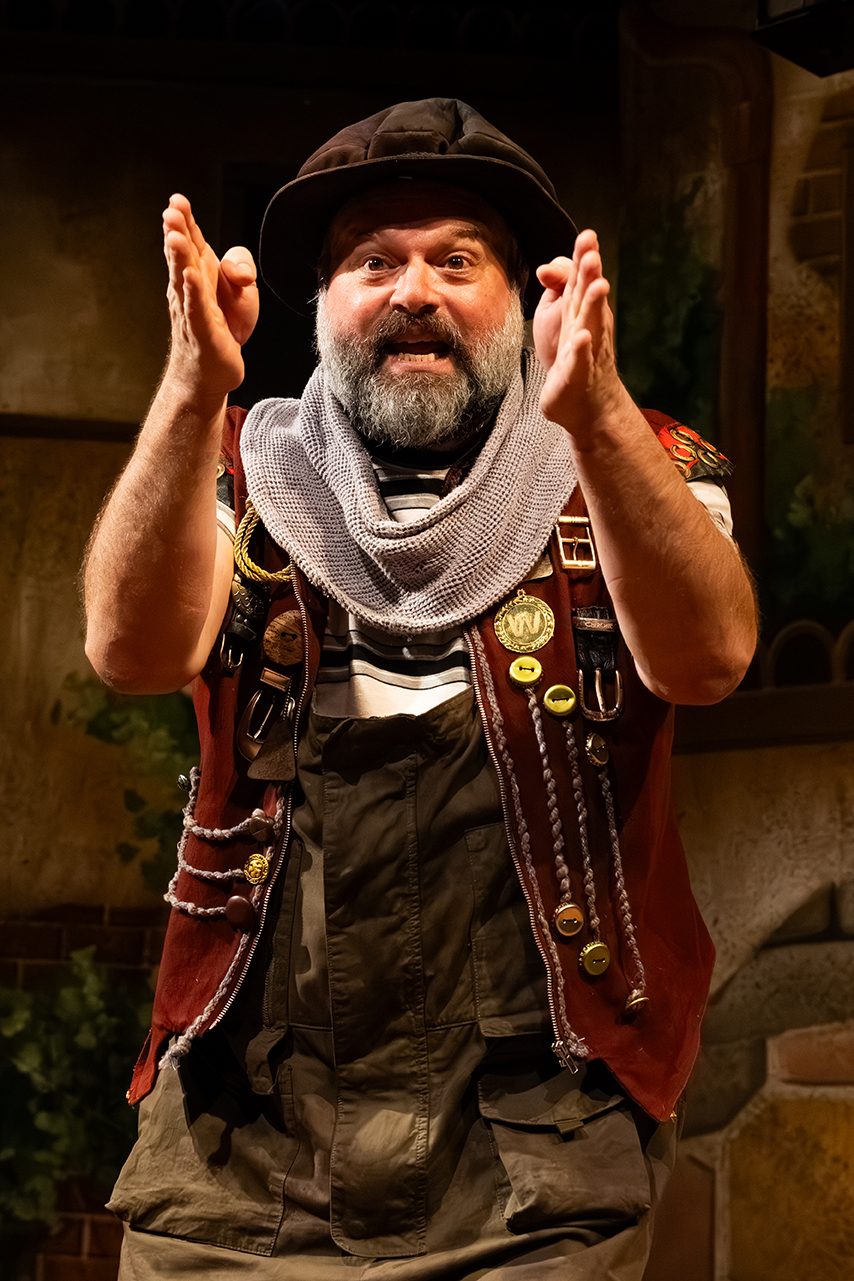
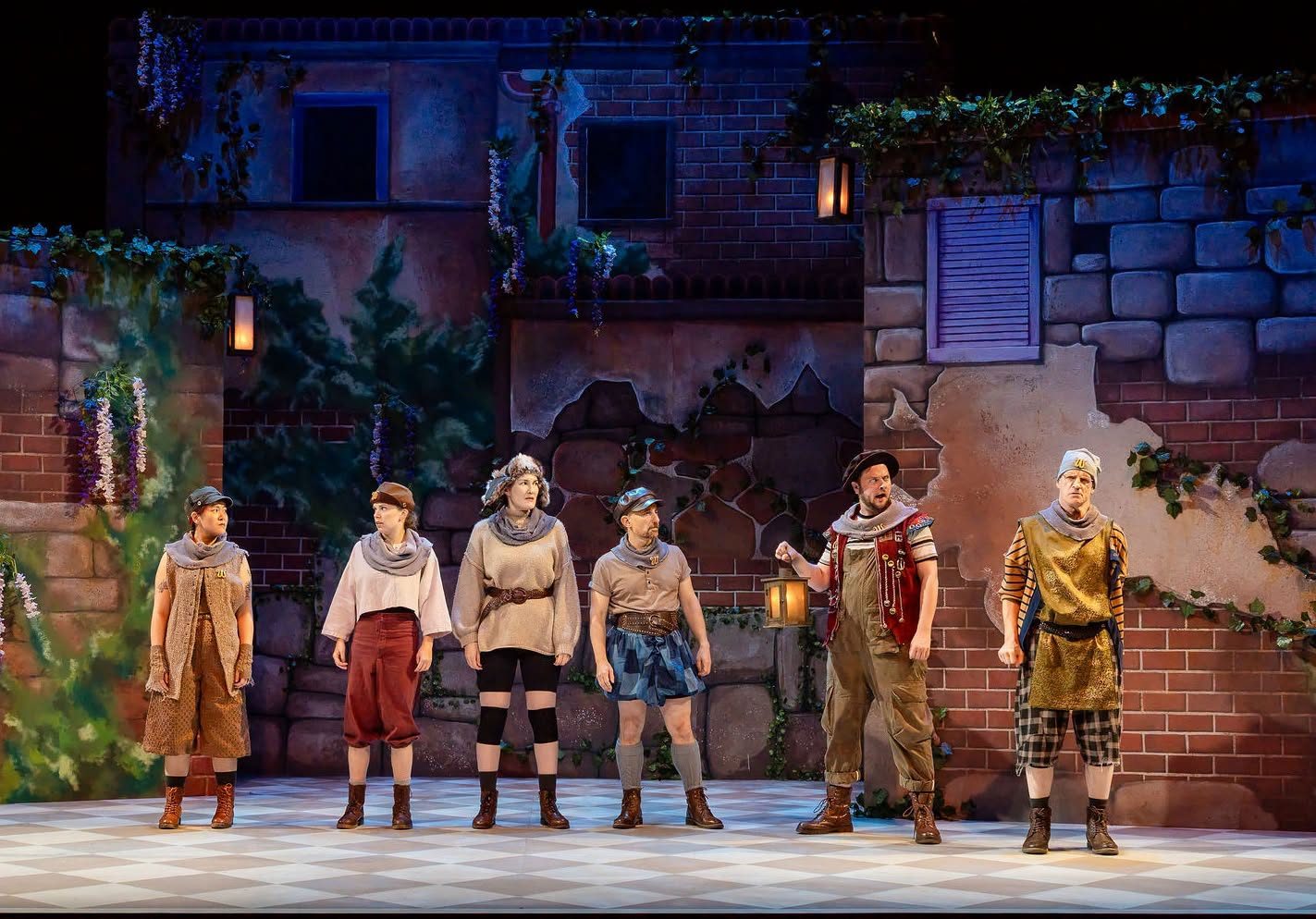
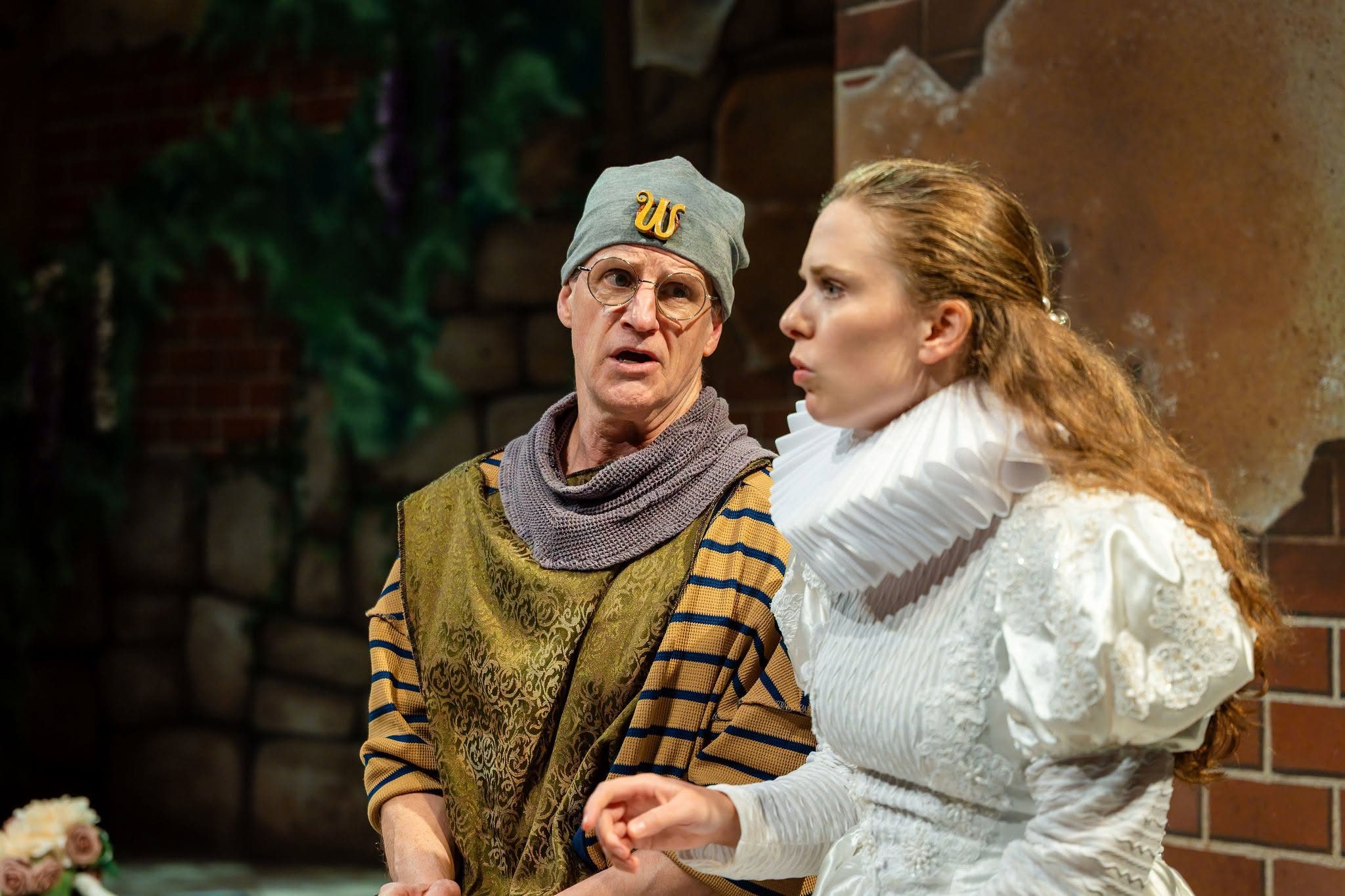
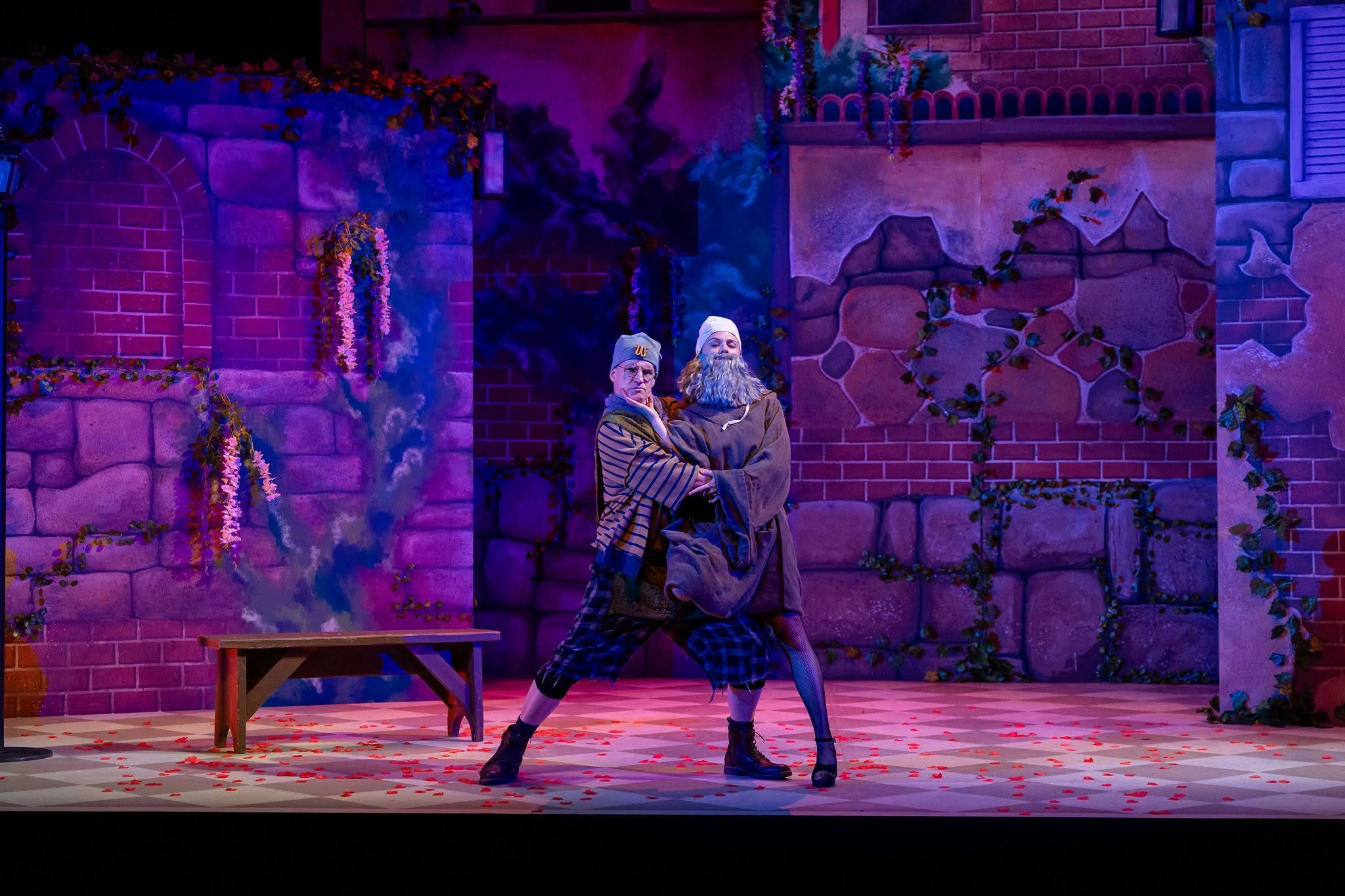
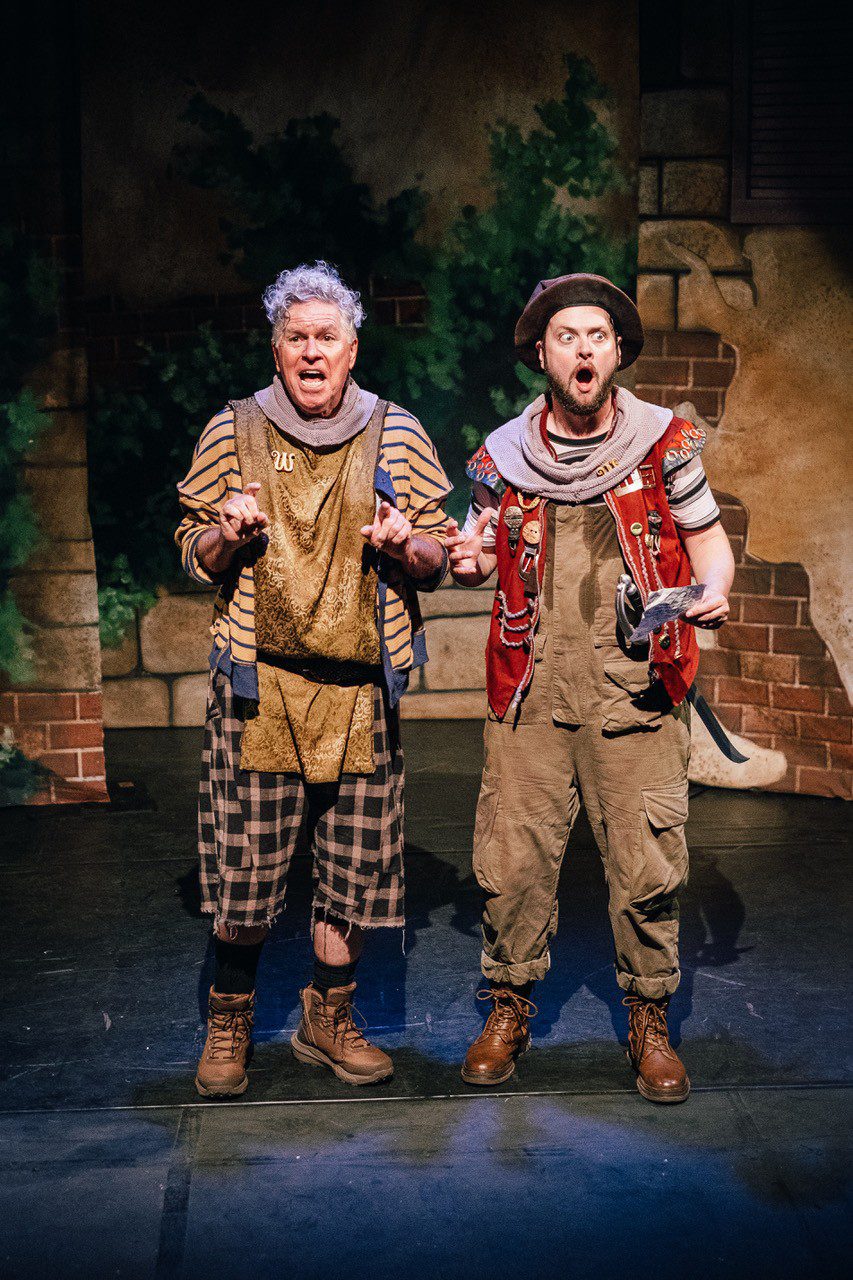
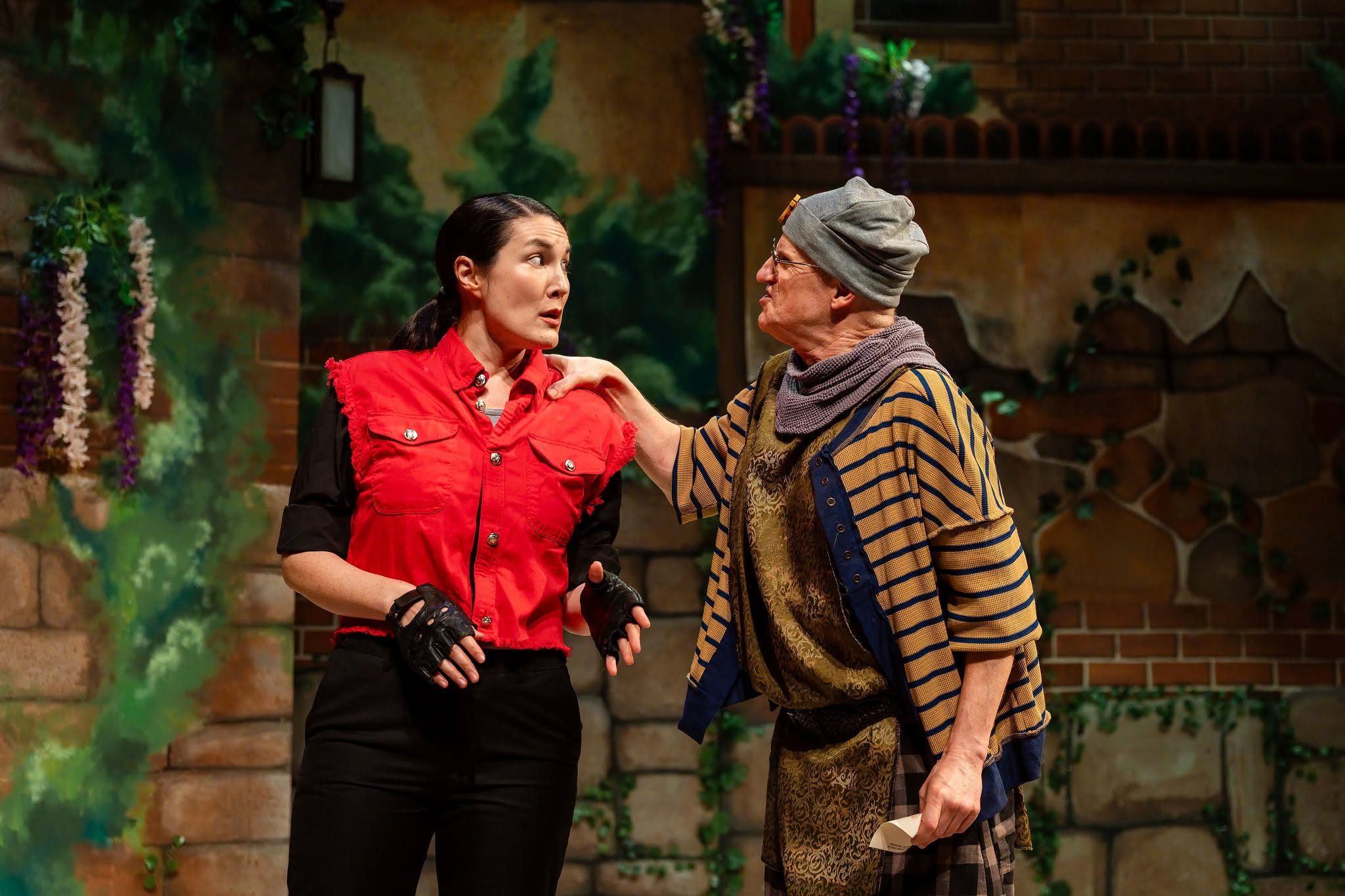
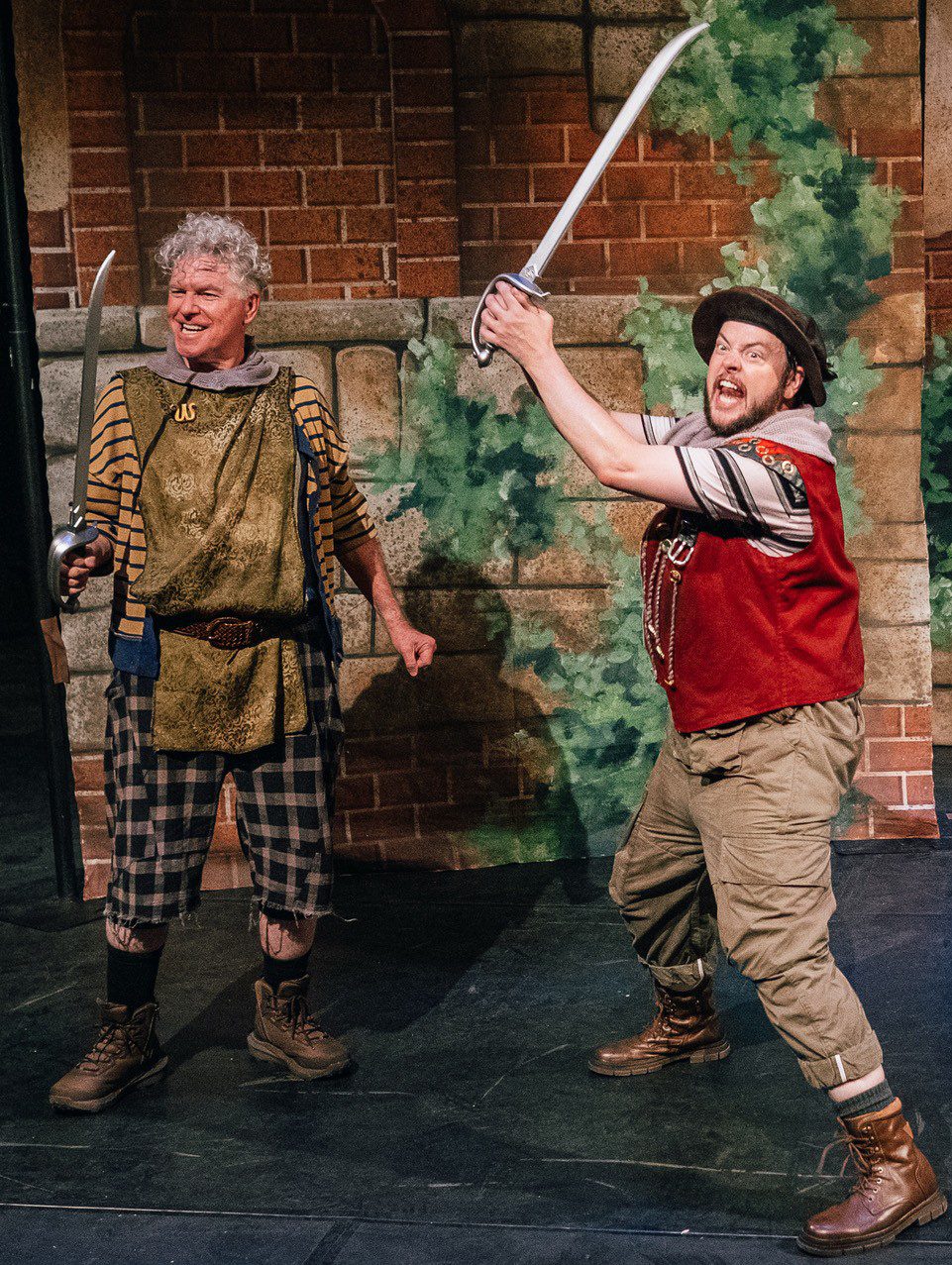
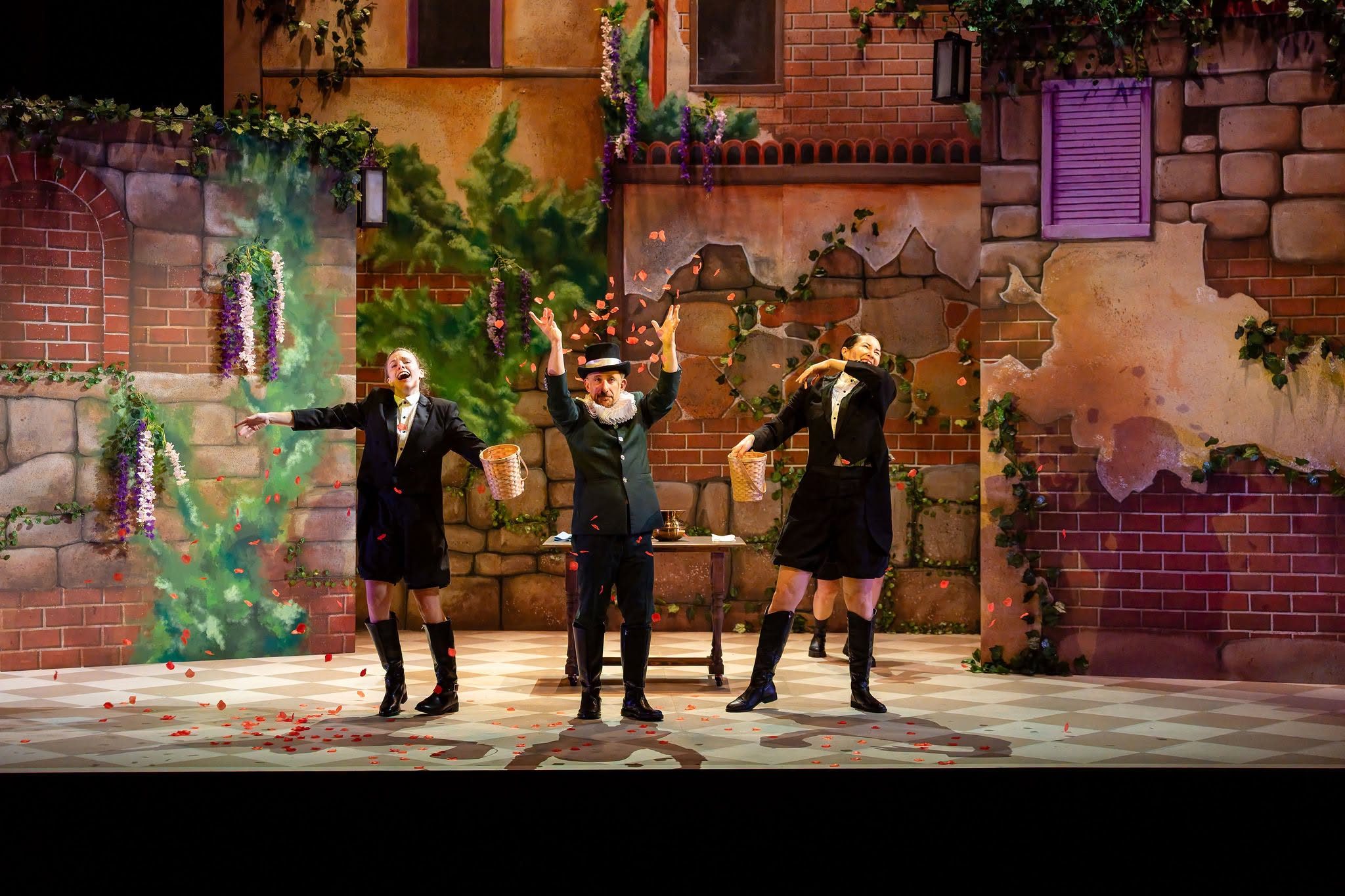
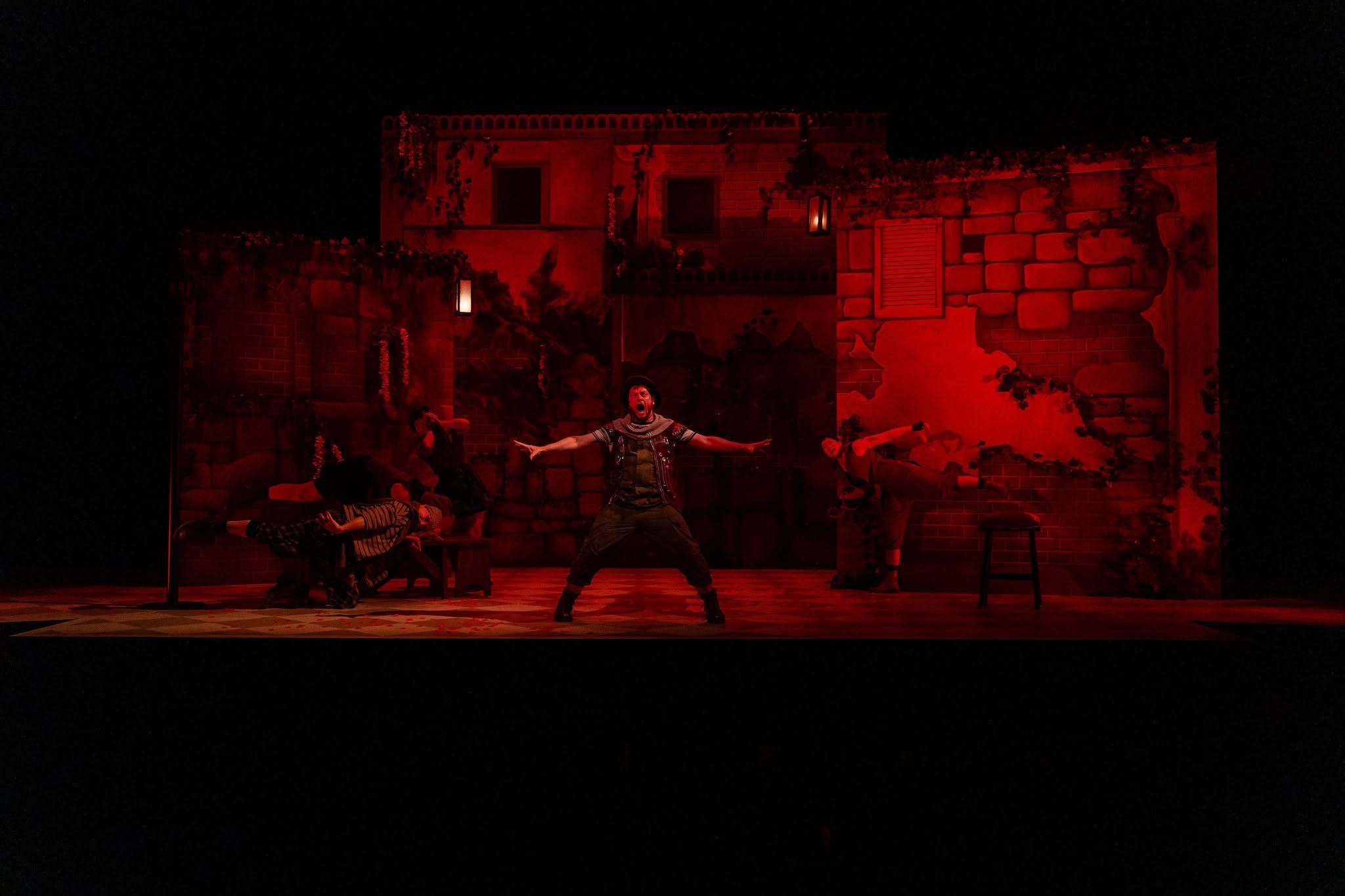
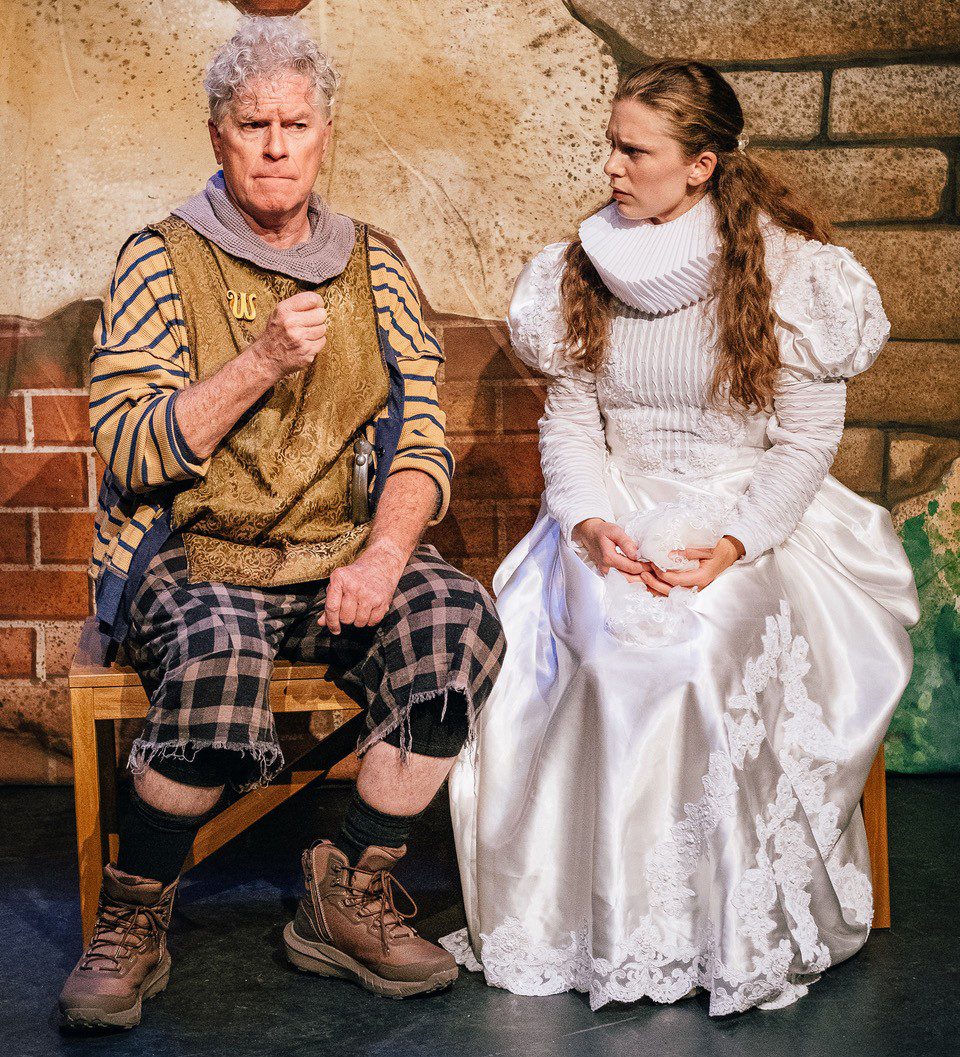
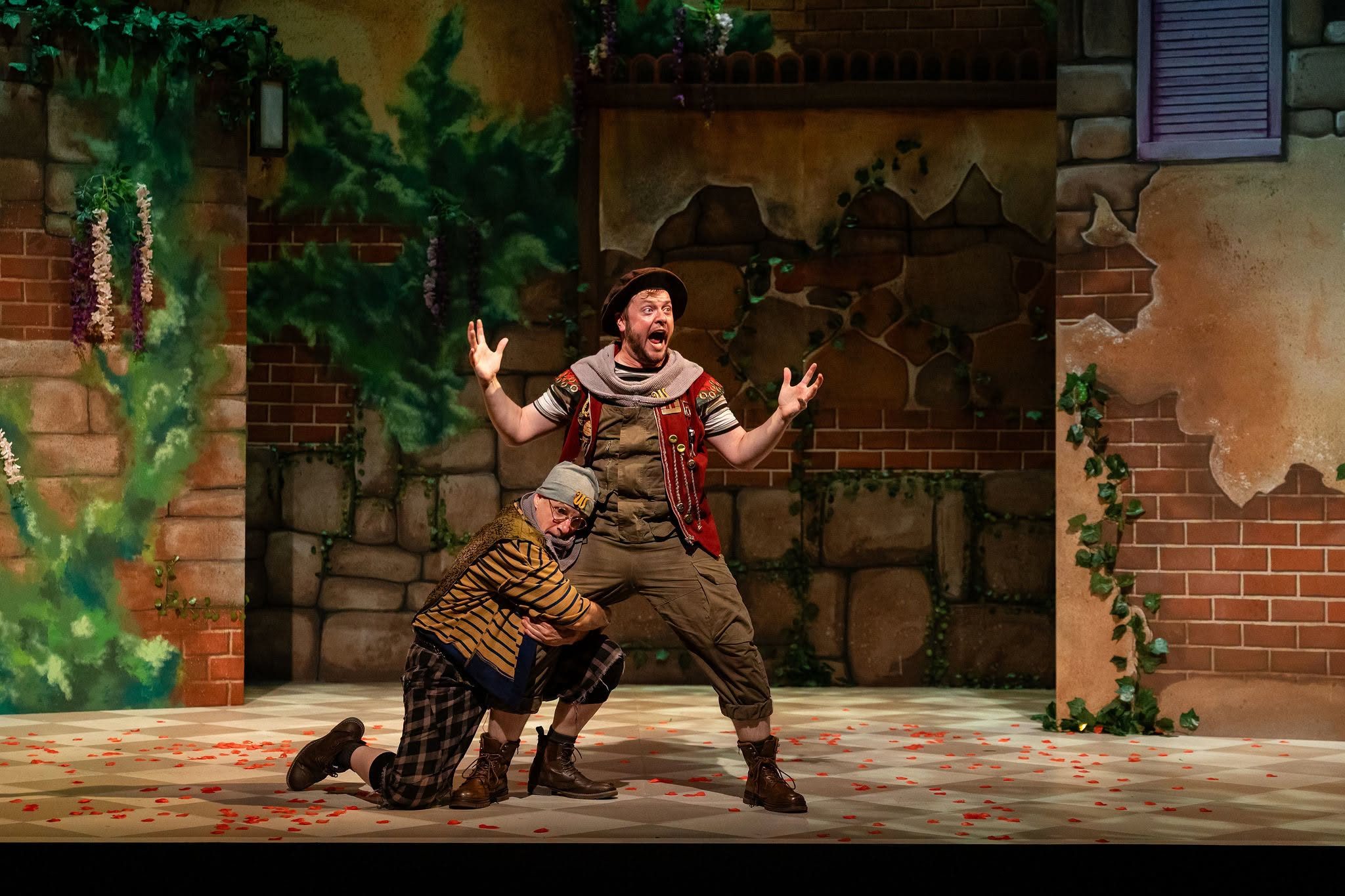
Through a happy accident of scheduling, I will play Verges when the play goes to Edinburgh, replacing original actor Anthony Lawton, whose schedule didn’t allow him to make the trip, and upon whose comic shoulders I stand. Dogberry & Verges Are Scared will be performing from August 5 through 30 at the main house of C ARTS, which has showcased international, independent work at the Edinburgh Festival Fringe for 35 years.
Rosencrantz & Guildenstern Are Dead established Tom Stoppard as a major theatrical voice and inspired a generation (including my own Shakespeare company) with its mind-expanding observation that “every exit is an entrance somewhere else.” Dogberry & Verges Are Scared brings Shakespeare’s clowns center stage and, while throwing a spotlight on the absurdities of Shakespeare’s play, actually touches on something profound. We’re all scared, and many of our worst impulses and prejudices are driven by our fear of the unknown. Amidst all the laughter, Dogberry & Verges Are Scared demonstrates, hilariously, that with the aid and assistance of our “honest neighbors,” we might discover that not only are our fears unfounded but they can also be overcome.
Keep exploring

Adapting Shakespeare
Shakespeare Unlimited: Episode 72 What exactly counts as a Shakespeare adaptation? And why bother in the first place? We talk with three writers who have wrestled with these questions. Craig Wright is a TV writer and showrunner whose play, Melissa…

Kenny Leon on Much Ado About Nothing
Director Kenny Leon’s production of Much Ado About Nothing mesmerized audiences during the Public Theater’s Shakespeare in the Park (now available on PBS’s Great Performances). Leon shares how he approaches a new production and how Shakespeare’s comedies speak to our present moment.

The Hamlet variations
William Shakespeare’s Hamlet is having a moment—actually two, with A Room in the Castle and The Comedy of Hamlet! (a prequel) exploring Shakespeare’s characters before, during, and after the events of his greatest tragedy.
Stay connected
Enter your email address to follow this blog and receive notifications of new posts by email.