

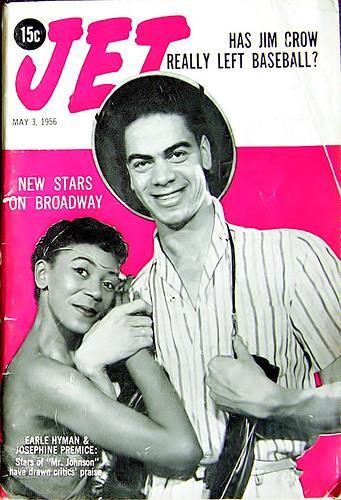
October 11, 2026 marks the one hundredth anniversary of the birth of Earle Hyman. He’s known to generations of TV viewers as Cosby’s dad, but his theatrical career was far more significant. He was the first Black actor to play a wide variety of Shakespearean roles in his native land. His papers are held at the Folger Shakespeare Library.


Earle Hyman was born in Rocky Mount, North Carolina and moved to Brooklyn with his family in 1932. During his 11th summer, spent with his grandparents in North Carolina, he discovered a copy of Shakespeare’s complete works at a segregated library and was captivated. At 13, he saw his first professional stage production, Alla Nazimova in Ibsen’s Ghosts, and began attending the theater regularly. He was a member of the drama club at Franklin K. Lane High School in Brooklyn; after graduating in 1943, he auditioned in a talent competition sponsored by the Broadway producer John Golden and was selected as one of eight finalists. He turned down the opportunity to attend Columbia University to go into the theater.
The summer after his graduation, Hyman acted on a NBC Radio program with Paul Robeson, Ethel Waters, and Canada Lee. In August 1943, he made his Broadway debut, playing a small role in a short-lived revival of Run, Little Chillun. The next year, he was cast as Rudolf, the juvenile lead, in Philip Yordan’s domestic drama Anna Lucasta, the story of a young woman who becomes a prostitute and her family’s efforts to reform her. The play, written originally about a Polish family, was presented by the American Negro Theatre Company at the Library Theatre on 135th Street in Harlem. It immediately attracted interest from downtown producers and soon transferred to Broadway, where it ran for 957 performances—a record for an all-Black drama. After a successful Chicago run, the play moved to London in October 1947, where it ran for a year at His Majesty’s Theatre.
As a young actor, Hyman remembered, fellow African American performers looked upon his dream of playing Shakespeare as quixotic. In England, however, he was encouraged by the British actors he met. Sybil Thorndike, Margaret Rutherford, and Dorothy Green (Cleopatra to John Gielgud’s Antony) were among those who offered assurance and practical advice.

While in London, Hyman made a private recording of Hamlet’s “O, that this too, too sullied flesh would melt” soliloquy. After he returned to America, he played the record for Owen Dodson, who directed the theater program at Howard University in Washington, DC. Dodson, impressed, invited him to play the role in a production featuring students and visiting professionals. John Gielgud, whom Hyman had met in London, was in Washington acting in The Lady’s Not for Burning and agreed to coach him for the role.
The Dodson–Hyman Hamlet attracted critics from a number of newspapers. Richard Coe, writing in the New York Times, remarked that Hyman’s “reading shows a strong Gielgud influence and his characterization emphasizes the neurotic prince.” Hyman, he concluded, had “impressive power and command which stood him well in the long role. Considering the very few opportunities a Negro actor has at this role, he shows surprising mastery of its facets, and his ability to put his intellectual concept into action is impressive.”
In 1953, Hyman acted the Prince of Morocco in The Merchant of Venice at New York’s City Center. He was the first Black actor to play the role in a major New York production, and his portrayal was praised as “eloquent” and “outstanding.”


Early in 1953, Hyman returned to England for a tour of Anna Lucasta and acted, with his touring Anna, in a televised scene from Hamlet at the Streatham Hill Theatre. The Chicago Defender reported:
Dramatic and theatrical history was made in England last week when two young talented tan stars, Isabelle Cooley and Earle Hyman were featured in . . . the nunnery scene from Hamlet. The British Broadcasting Company’s television crew with cameras and sound equipment filmed it on the stage. Hyman was coached for his role by England’s foremost Shakespearean actress, Dorothy Green. . . . The film aroused such tremendous demand that it was shown four times on BBC television, resulting in a mass of congratulatory letters and telegrams being sent from all over England to the stars.
In October, Hyman acted his first Othello at the Jan Hus House Auditorium, a small Off-Broadway venue located in the basement of an Upper East Side church. The production attracted considerable attention in the press. The Times critic remarked approvingly, “Earle Hyman is a magnificent Moor, a figure of great stature and power at one moment, a weak and tortured victim of suspicions and tempers in the next. Mr. Hyman . . . is a performer of consummate skill.”
During the summer of 1954, Hyman played six Shakespearean roles at Arthur Lithgow’s Antioch Shakespeare Festival in Antioch, Ohio: Tranio in Taming of the Shrew, the Prince of Morocco in Merchant of Venice, Oberon in A Midsummer Night’s Dream, Tybalt in Romeo and Juliet, First Outlaw in Two Gentlemen of Verona, and Othello.
In 1955, the American Shakespeare Festival Theatre in Stratford, Connecticut, after years of planning, announced its inaugural season; the first two plays were to be The Tempest and Julius Caesar. Hyman, eager to take part, secured an audition with Denis Carey, the Festival’s English stage director, who told him: “I’m sorry, Mr. Hyman, there are no roles for you. There are no Negroes in the plays, really.” Hyman replied, “Well, what about the Boatswain? There’s no mention of color. What about the Soothsayer? Have you cast that yet? Is there any mention of his race?” Carey, impressed by Hyman’s passion for Shakespeare, awarded him the roles. That season, he also doubled Pindarus in Caesar and understudied Jack Palance as Caliban.

Hyman returned to Stratford the next summer to play the small role of Melun in King John. That autumn, he played Dunois opposite Siobhán McKenna in Shaw’s Saint Joan and, in early 1957, he appeared as Vladimir in an all-Black Waiting for Godot on Broadway. He also acted at the Phoenix Theatre as Antonio in John Webster’s 17th-century revenge tragedy The Duchess of Malfi, a role he played—as Canada Lee had played Daniel de Bosola 11 years earlier—in whiteface.
For the 1957 Stratford season, Hyman was cast as Othello opposite Alfred Drake’s Iago. This time, his performance met with far less enthusiasm than his Off-Broadway Moor four years earlier. Elliot Norton was among the few to praise Hyman’s Stratford portrayal. “Earle Hyman is the most exciting Othello some of us have ever seen,” Norton wrote. “His is a perfect performance, carefully conceived and beautifully carried out. Although Mr. Hyman is very young, he acts with absolute maturity, commanding the stage.” That season, Hyman also gave his third Prince of Morocco in The Merchant of Venice to Katharine Hepburn’s Portia.
In 1958, Hyman, in his fourth Stratford season, played Horatio to Fritz Weaver’s Hamlet, Philostrate in A Midsummer Night’s Dream, and Autolycus in The Winter’s Tale—roles that had never been attempted by a Black actor at a major venue. Later that year, he appeared in London in Black British actor-playwright Errol John’s Moon on a Rainbow Shawl at the Royal Court; the next year, he acted in the West End premiere of A Raisin in the Sun.


Hyman returned for a fifth and final American Shakespeare Festival season in 1960, playing Caliban in The Tempest and Alexas in Antony and Cleopatra. In all, he played 11 roles in 10 Festival plays between 1955 and 1960.
During the 1957 season, Hyman told an interviewer, “I feel that if I have talent enough, if I am well prepared enough, I will get the roles I deserve and my race won’t make any difference.” Although he was not successful in every part, his presence in the company for five seasons was significant. The high-profile Festival was considered first-rank and attracted major stars, including Katharine Hepburn, Morris Carnovsky, and Christopher Plummer. Most roles Hyman attempted had never been acted by a Black performer at a leading venue; he was the first Black actor to become a regular member of a leading American classical repertory company.
Earle Hyman in popular culture


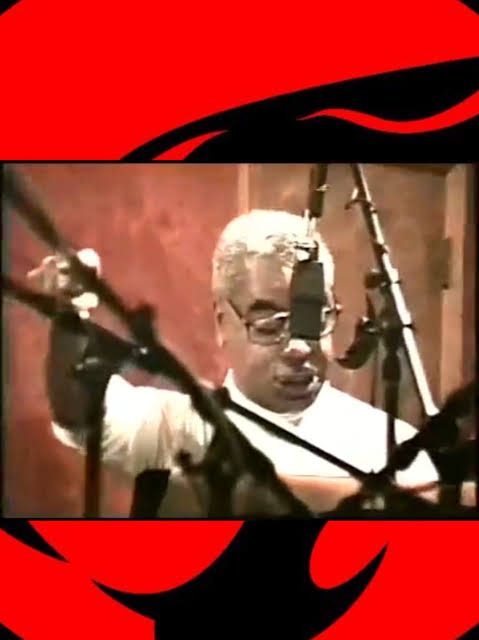
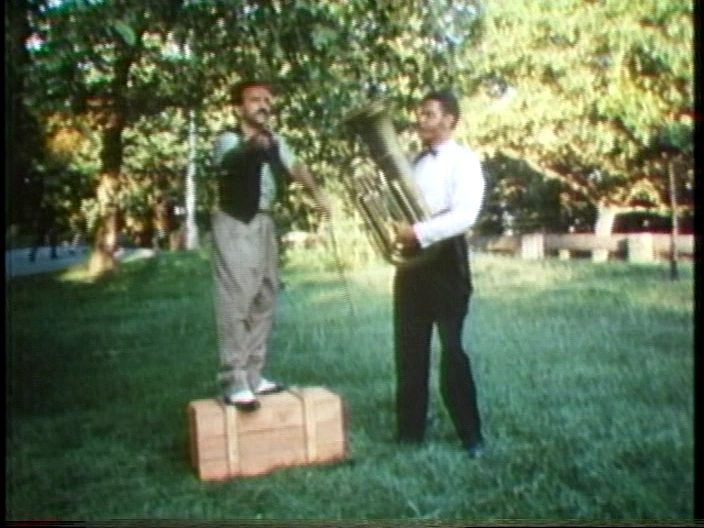
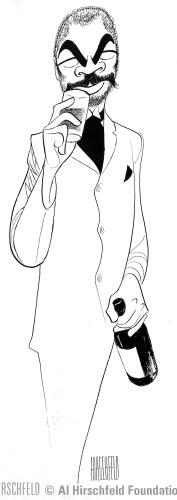
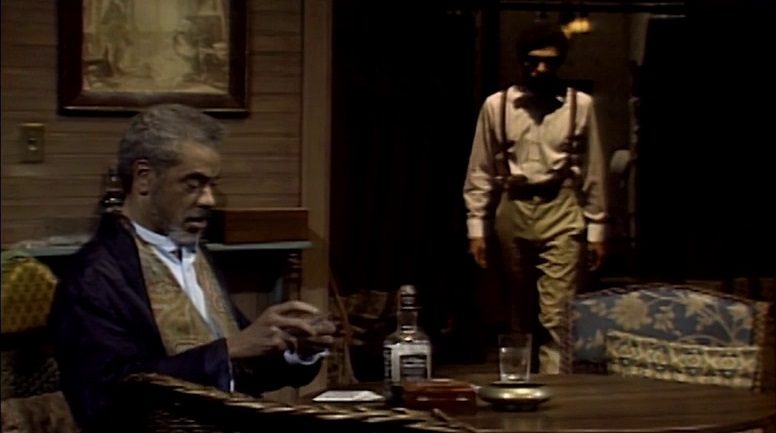
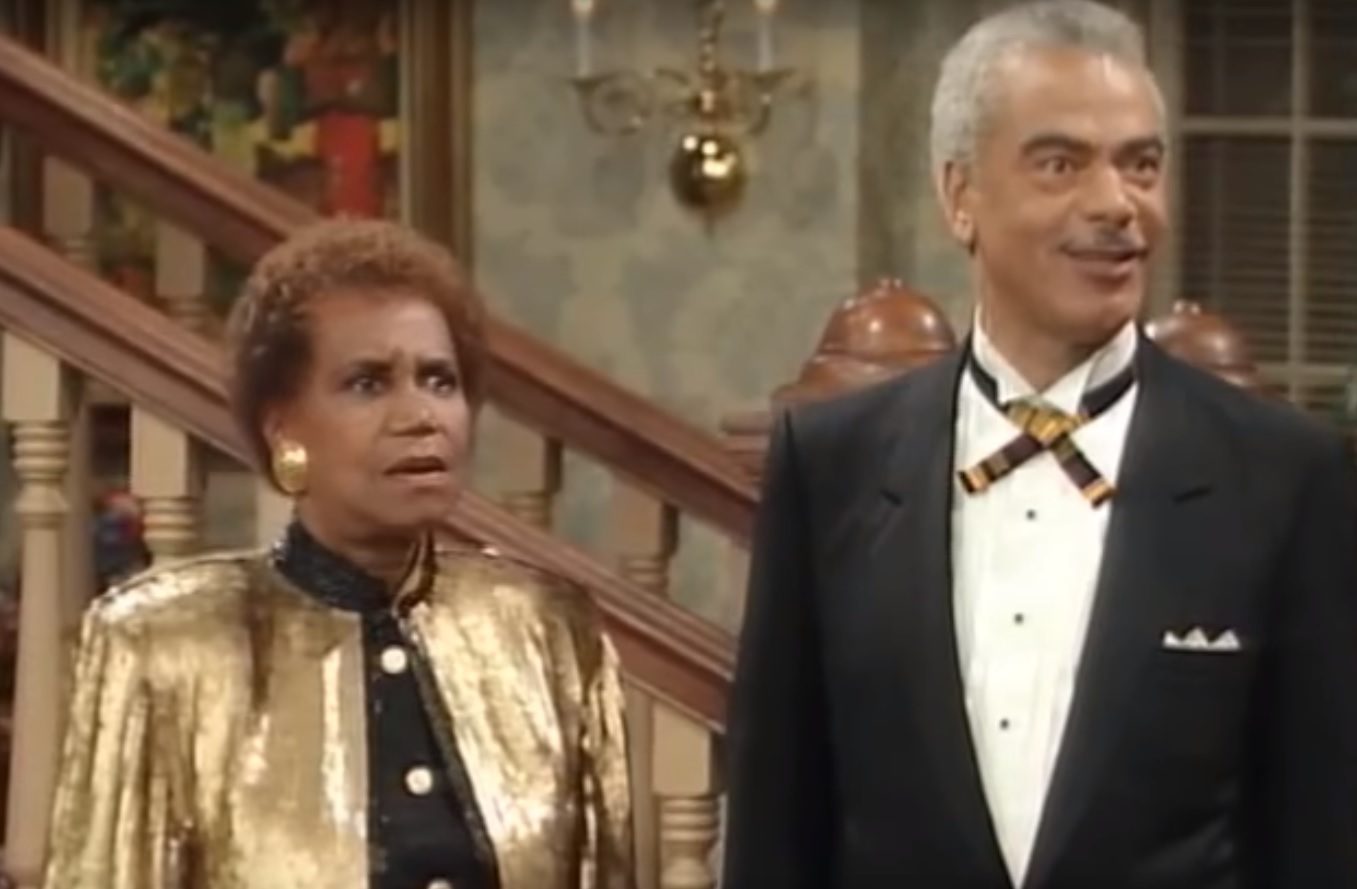
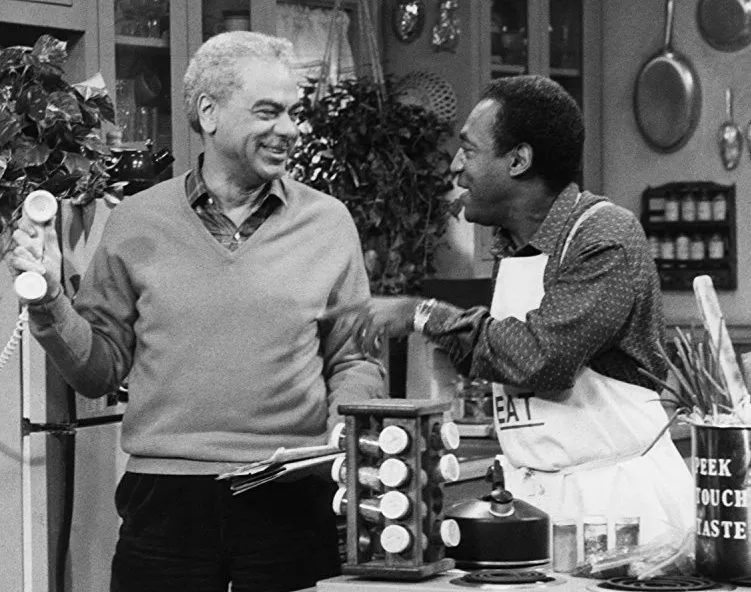
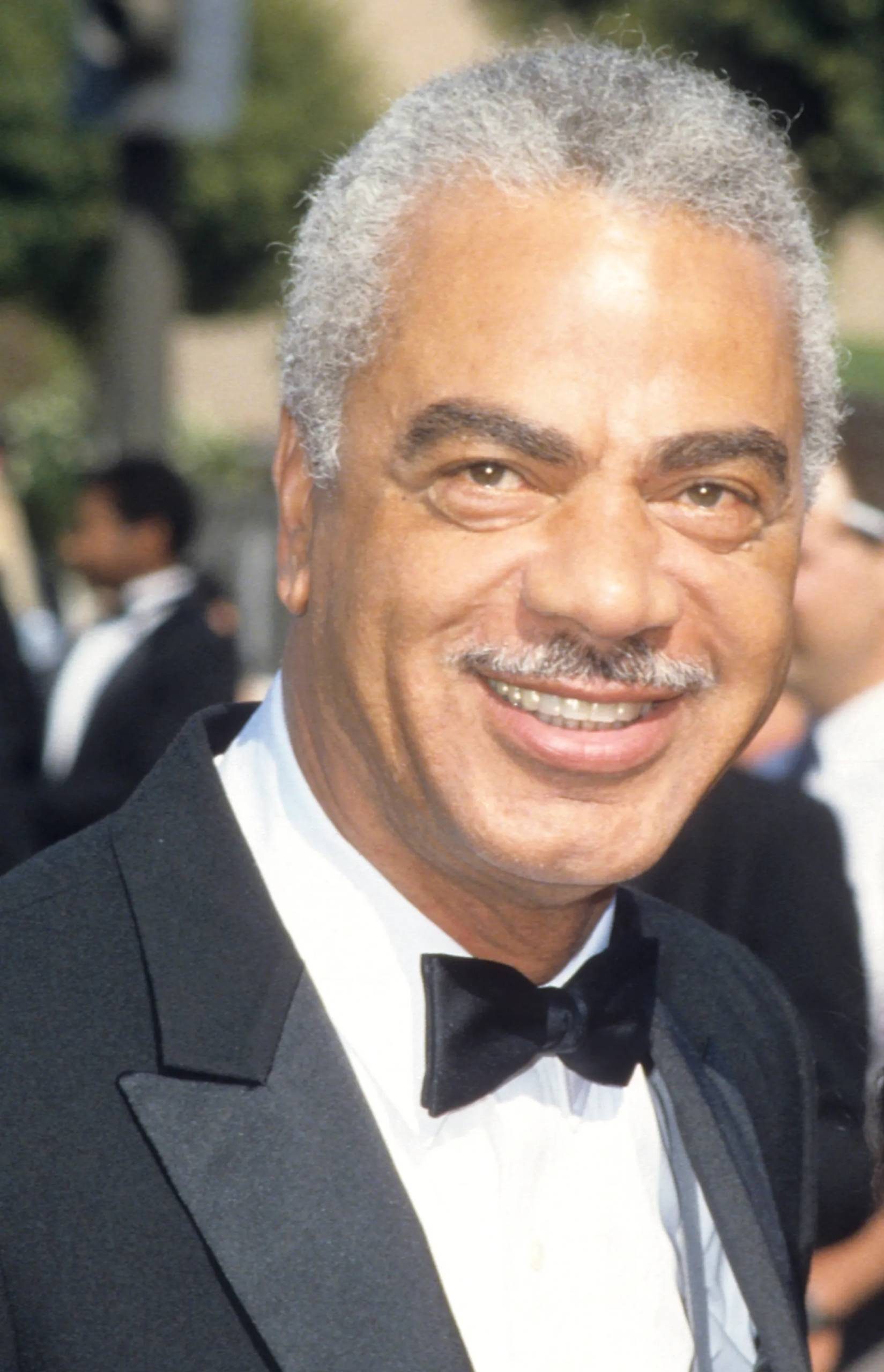
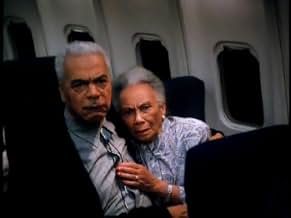
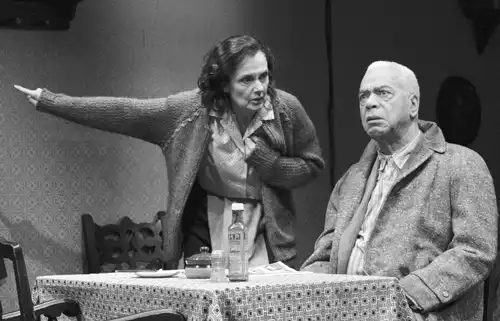
In the early 1960s, Hyman, who had learned to speak Norwegian fluently, journeyed to Norway, where he played Othello, Brutus Jones, and other roles. He reprised his Othello in America three times during the sixties and seventies: at the Great Lakes Shakespeare Festival, the Dallas Shakespeare Festival, and the Roundabout Theatre in New York. Other regional theater appearances included King Lear at Shakespeare festivals in Dallas and North Carolina and Prospero in Dallas. He came to the New York Shakespeare Festival relatively late, appearing as Cicero in Julius Caesar and Cominius in Coriolanus in 1978, and as John of Gaunt in Richard II in 1994. Post-Hamlet television appearances included an Othello for Camera Three Productions-CBS in 1955 and a 1968 Macbeth for NET-TV, with Stacy Keach as Banquo.
I never thought of myself as a kind of pioneer. . . . I was doing it because I loved Shakespeare.”
The breadth of Earle Hyman’s Shakespearean portrayals was unprecedented for a Black actor on the modern English-speaking stage. He acted more than a dozen roles previously unplayed by modern-era Black performers and, in doing so, opened doors for future generations of Black Americans who aspired to the classics.
Looking back on his Shakespearean performances decades afterward, he recalled: “I never thought of myself as a kind of pioneer. . . . I didn’t know that I was doing anything for anyone else. I was doing it because I loved Shakespeare.”
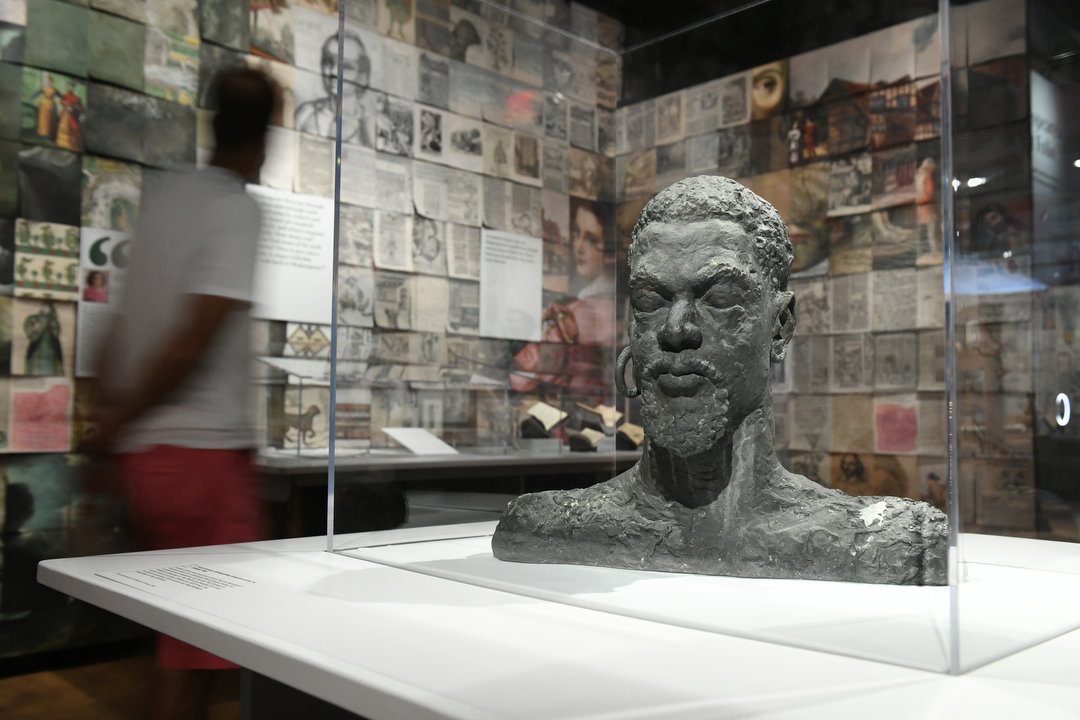

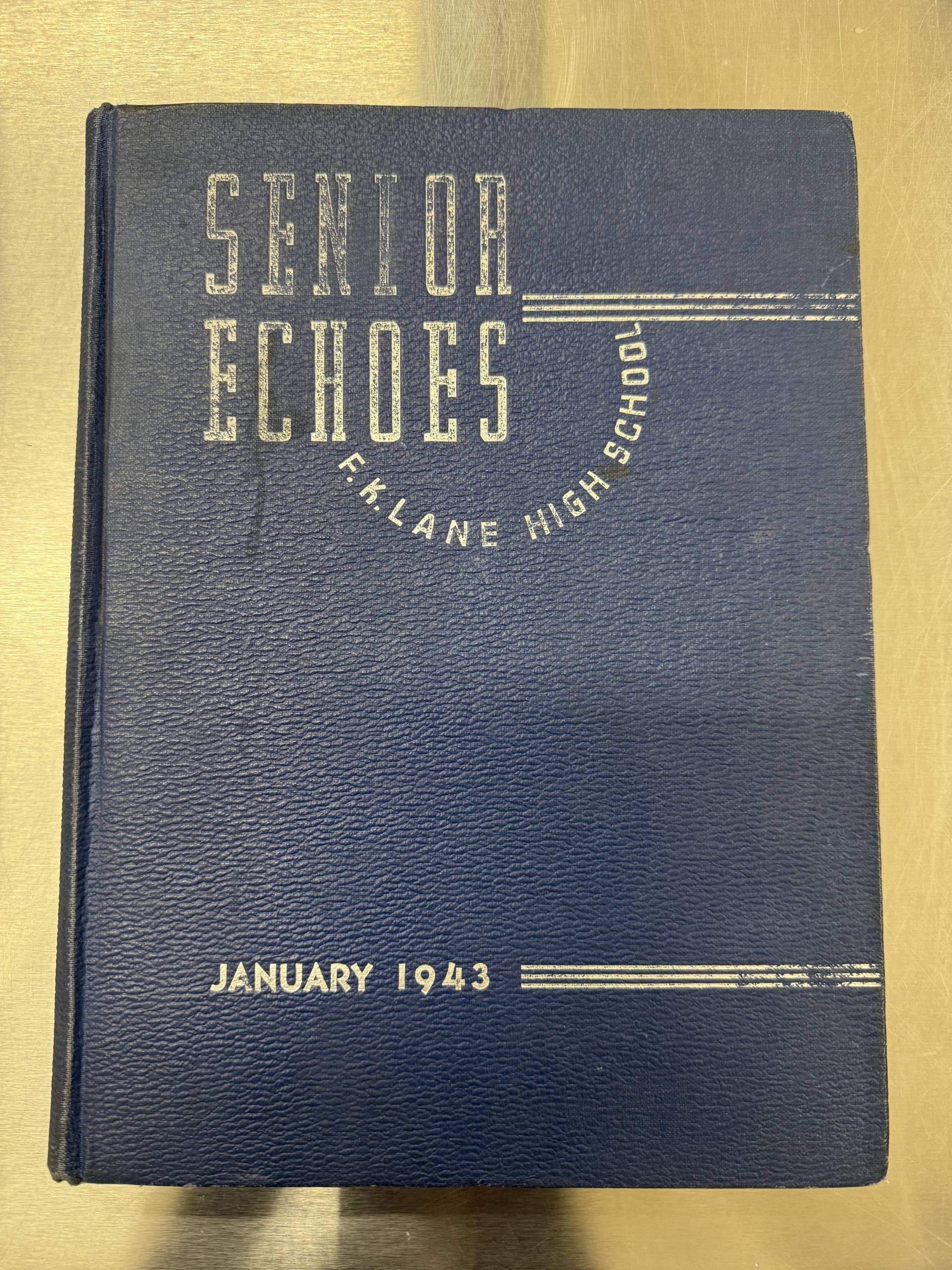
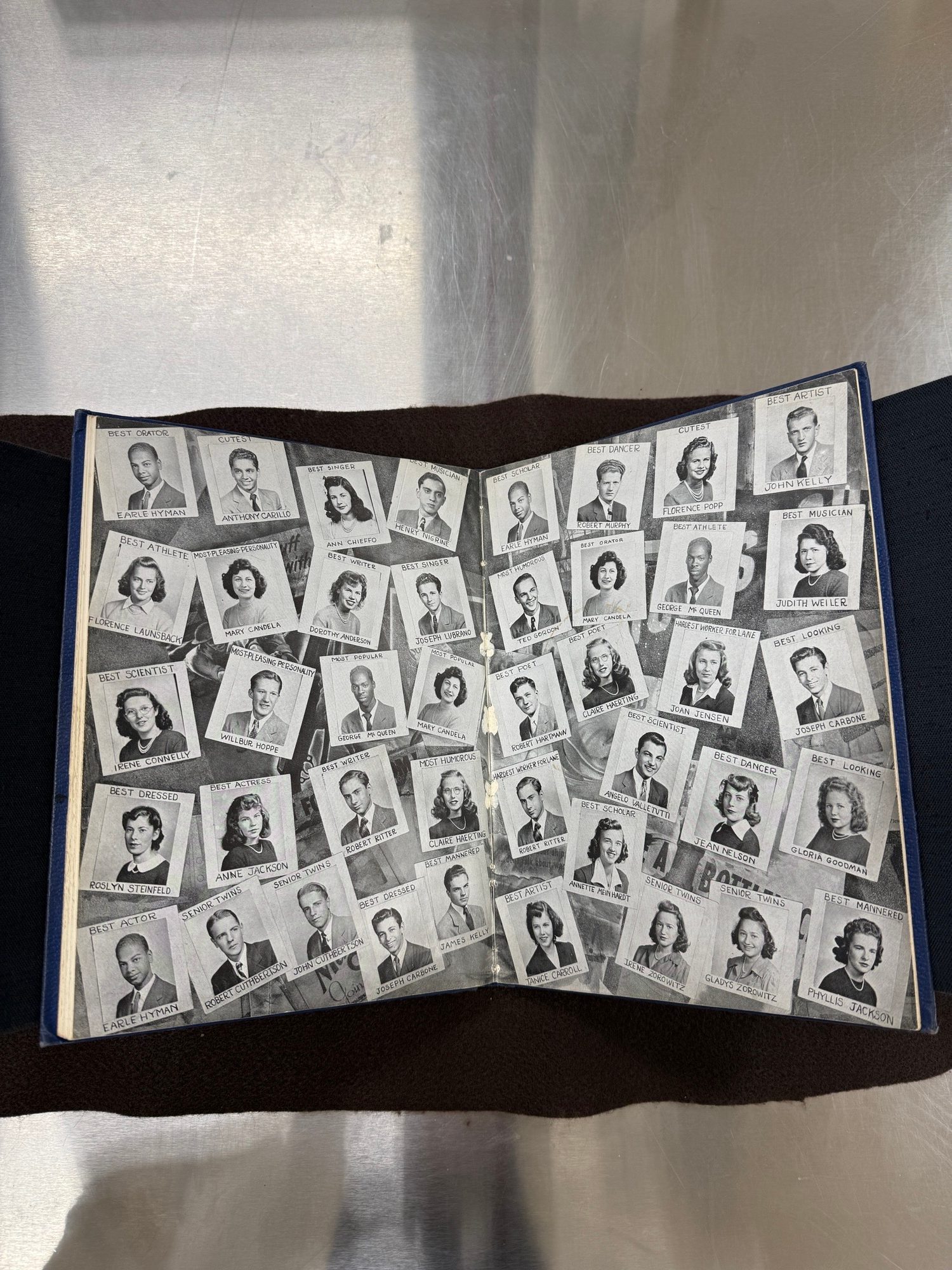
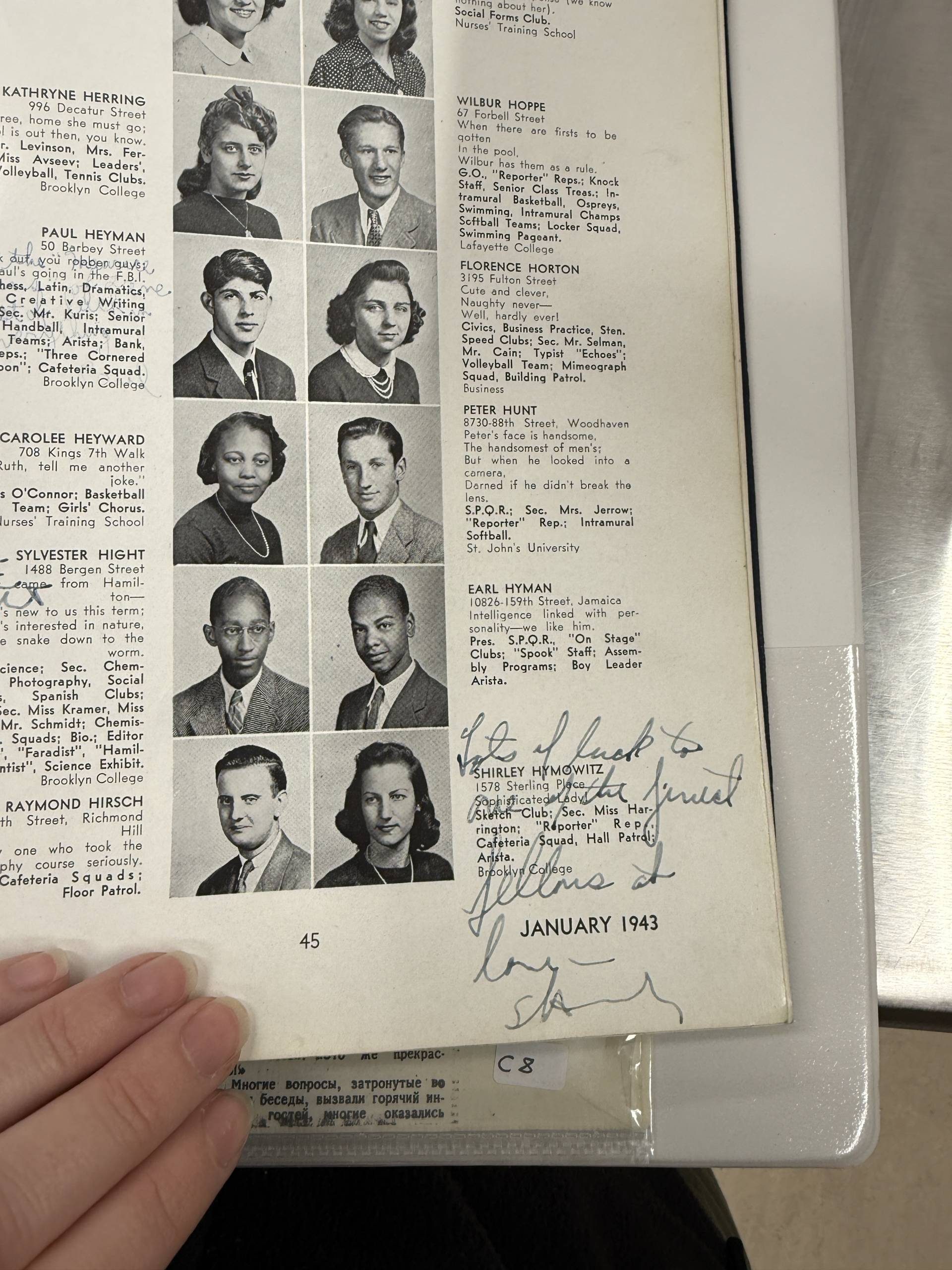
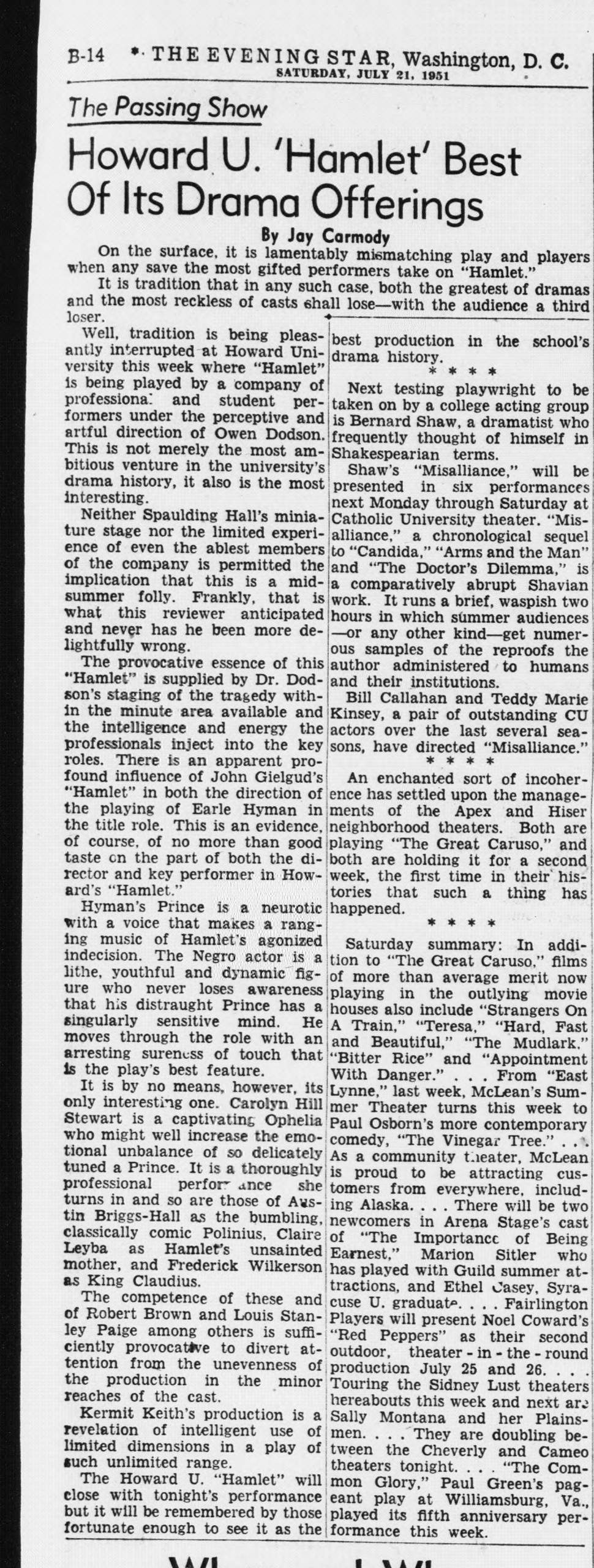
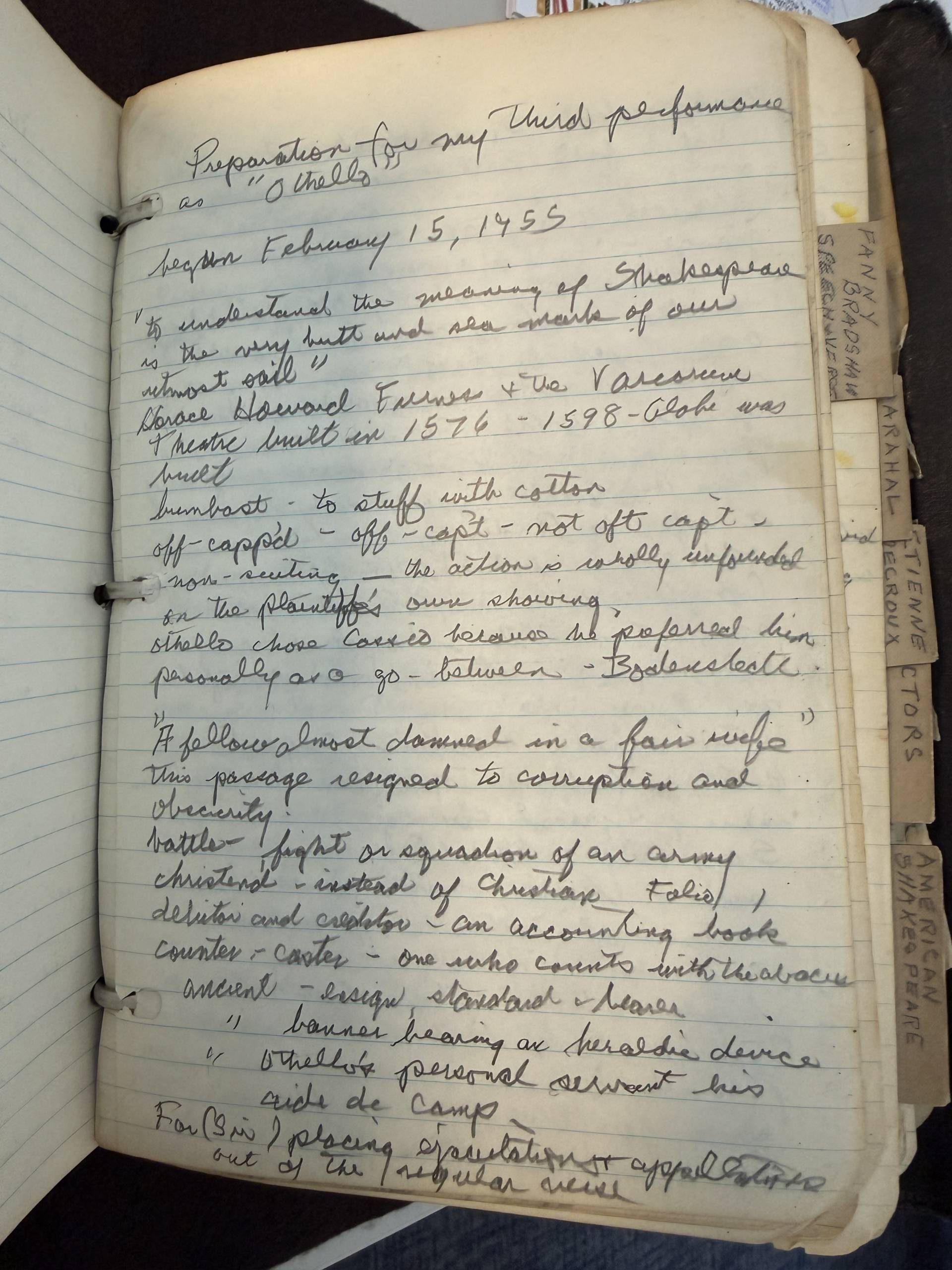
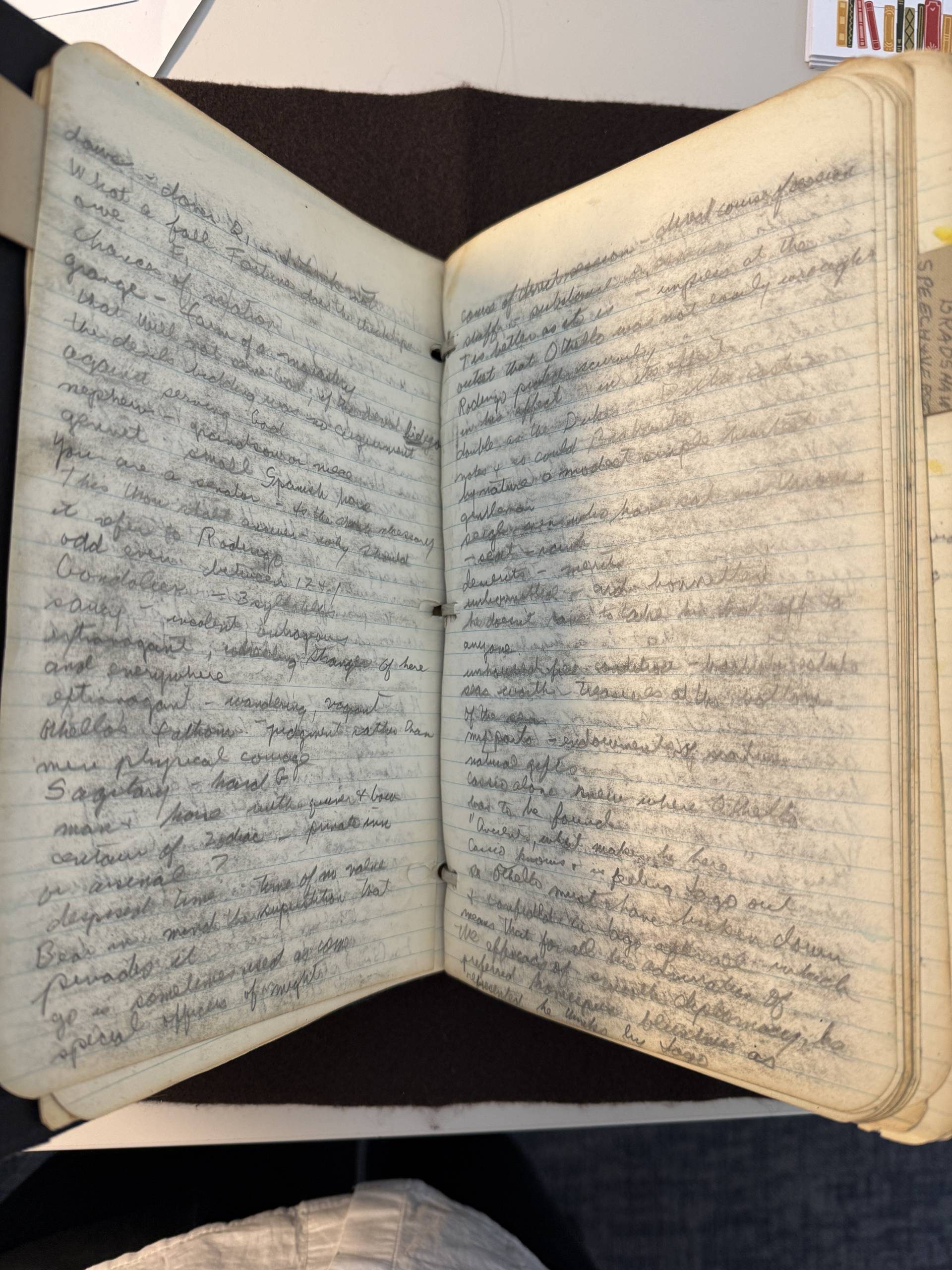
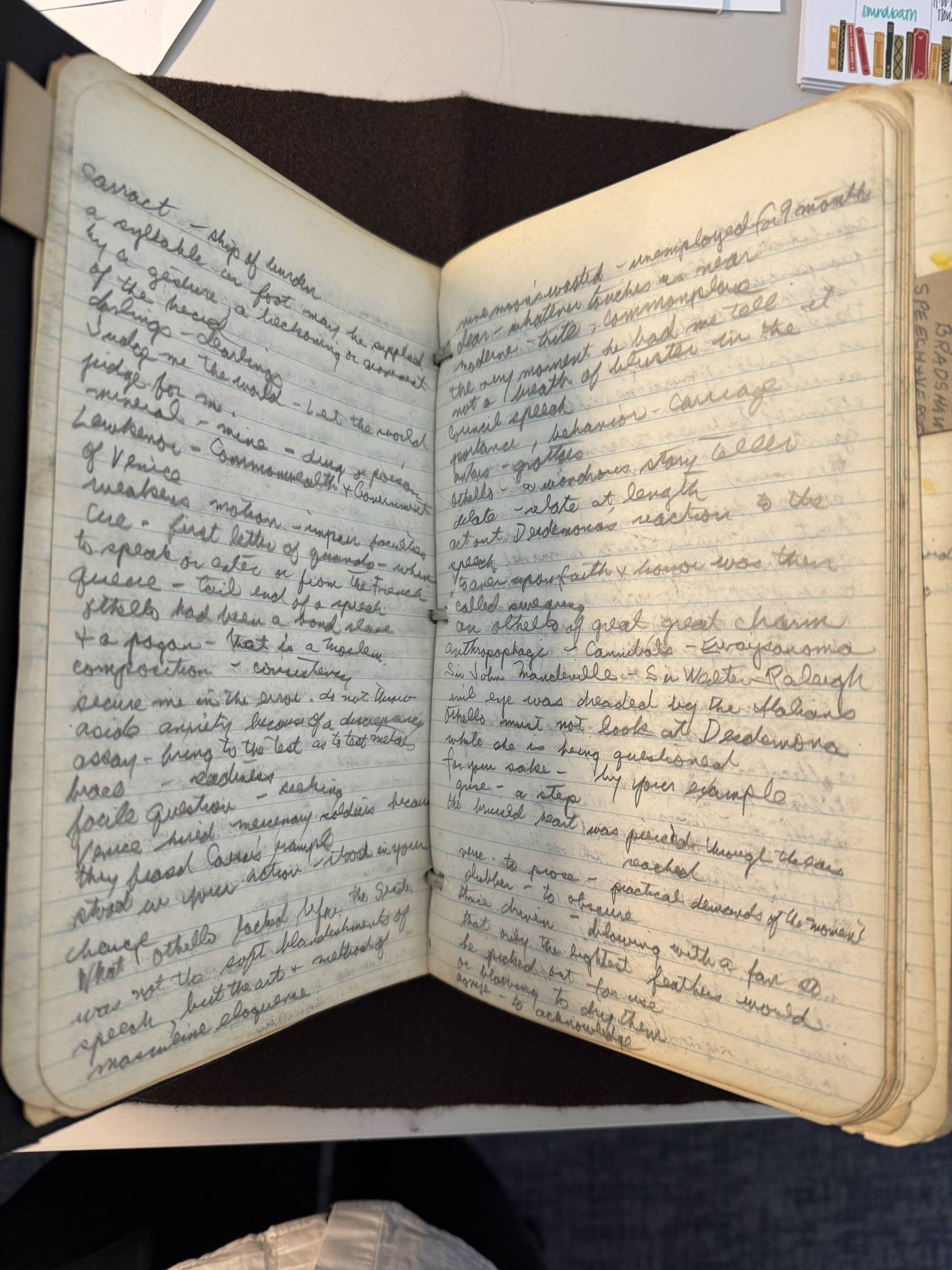
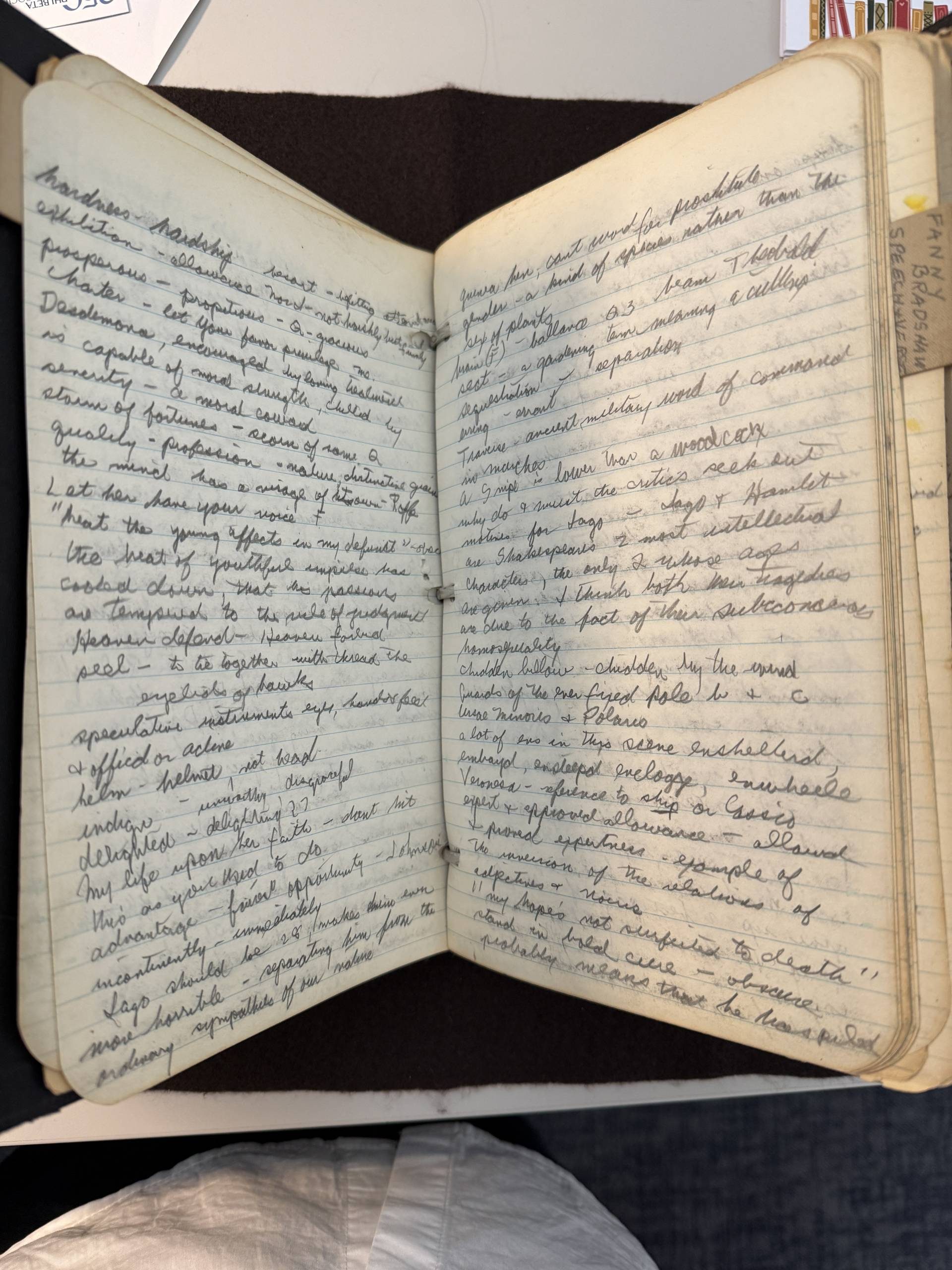
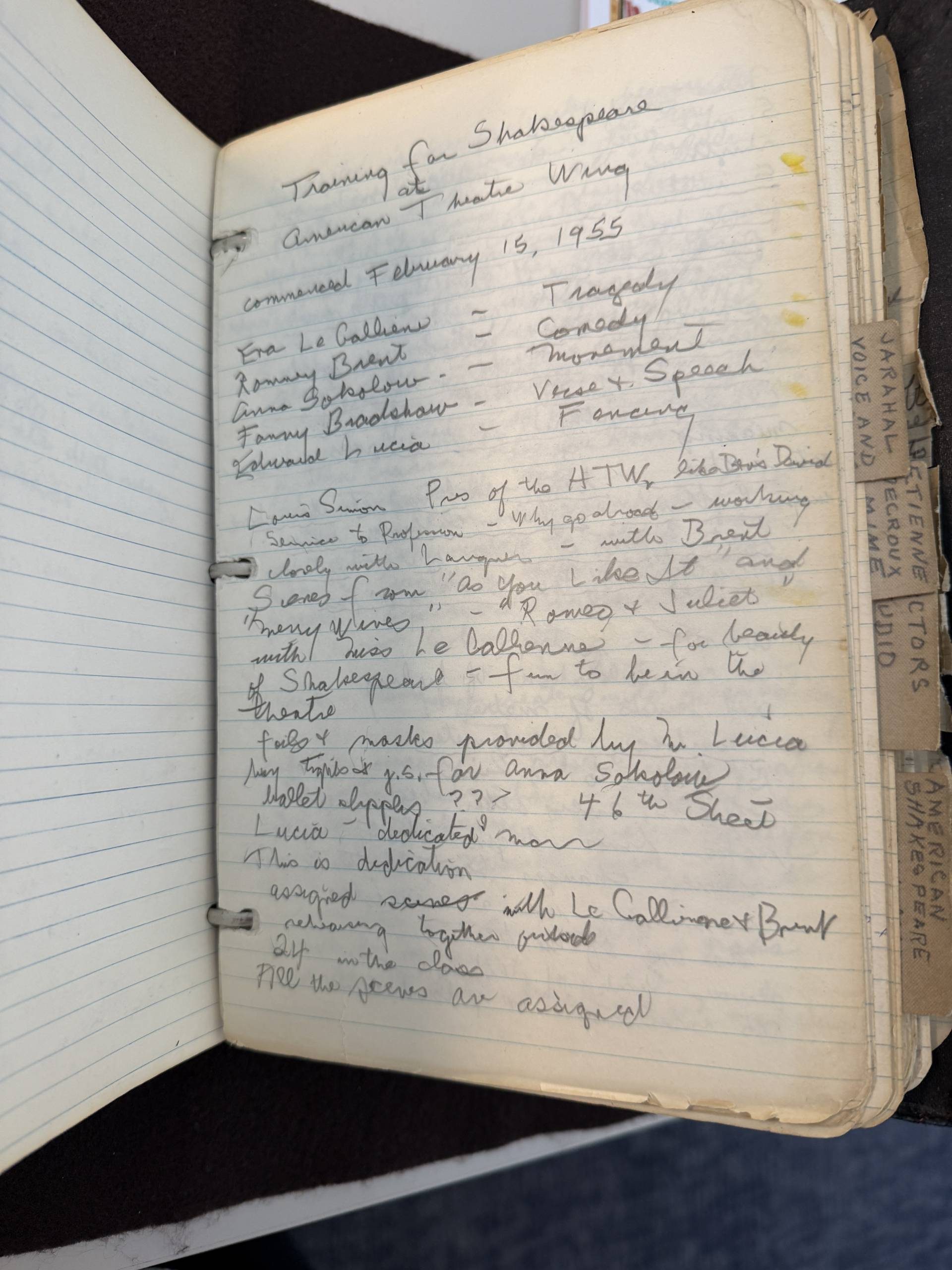
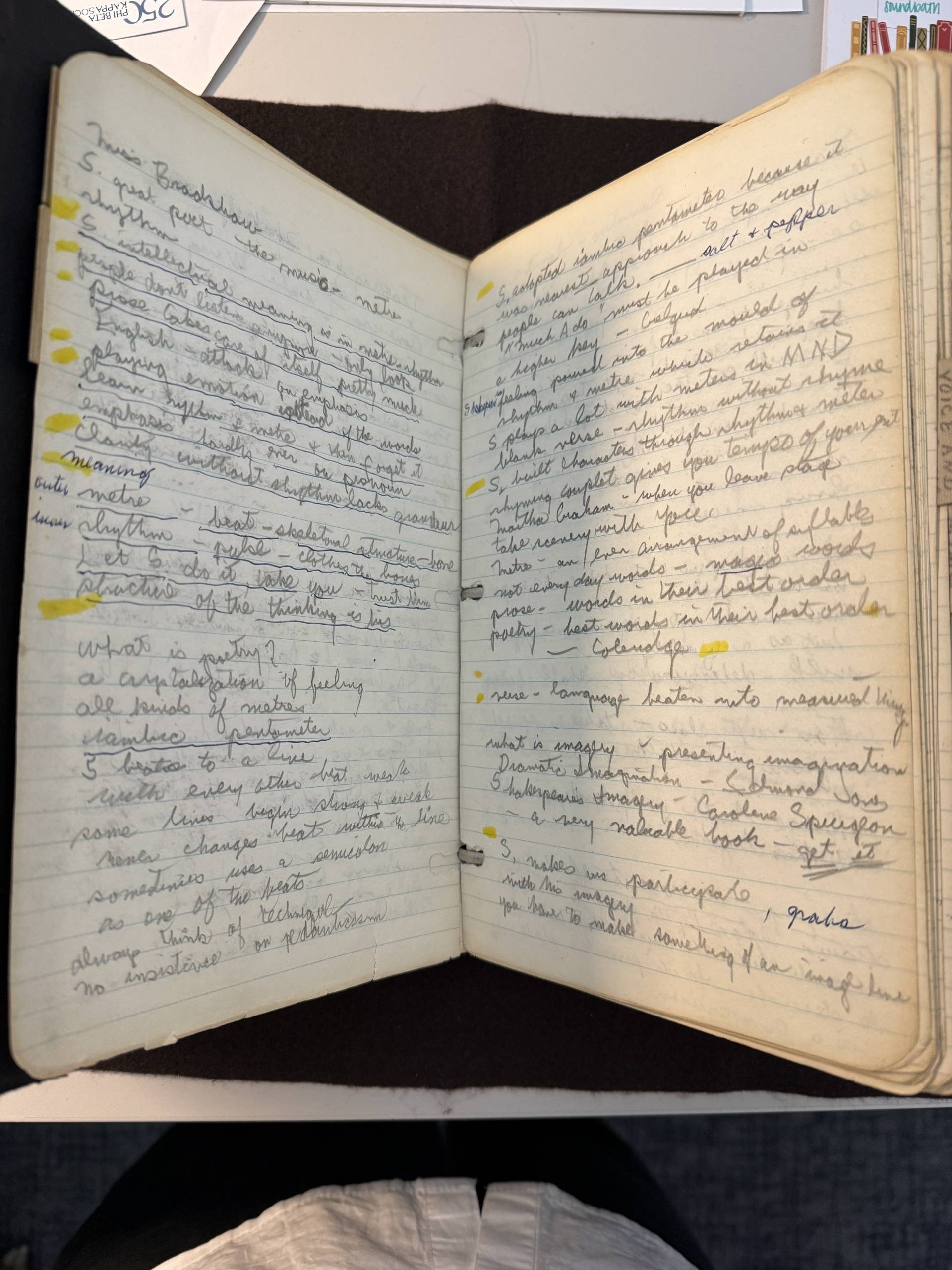
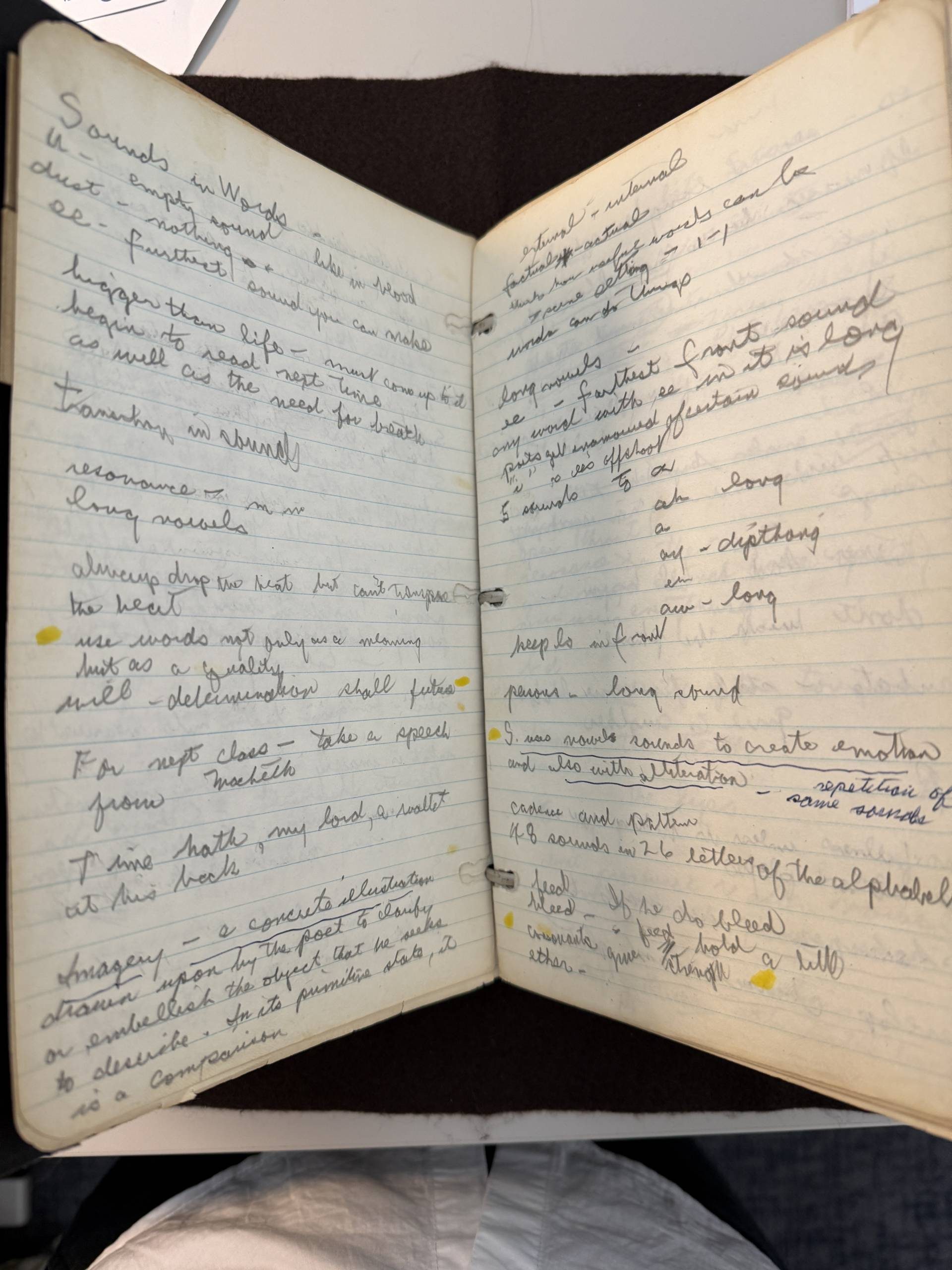
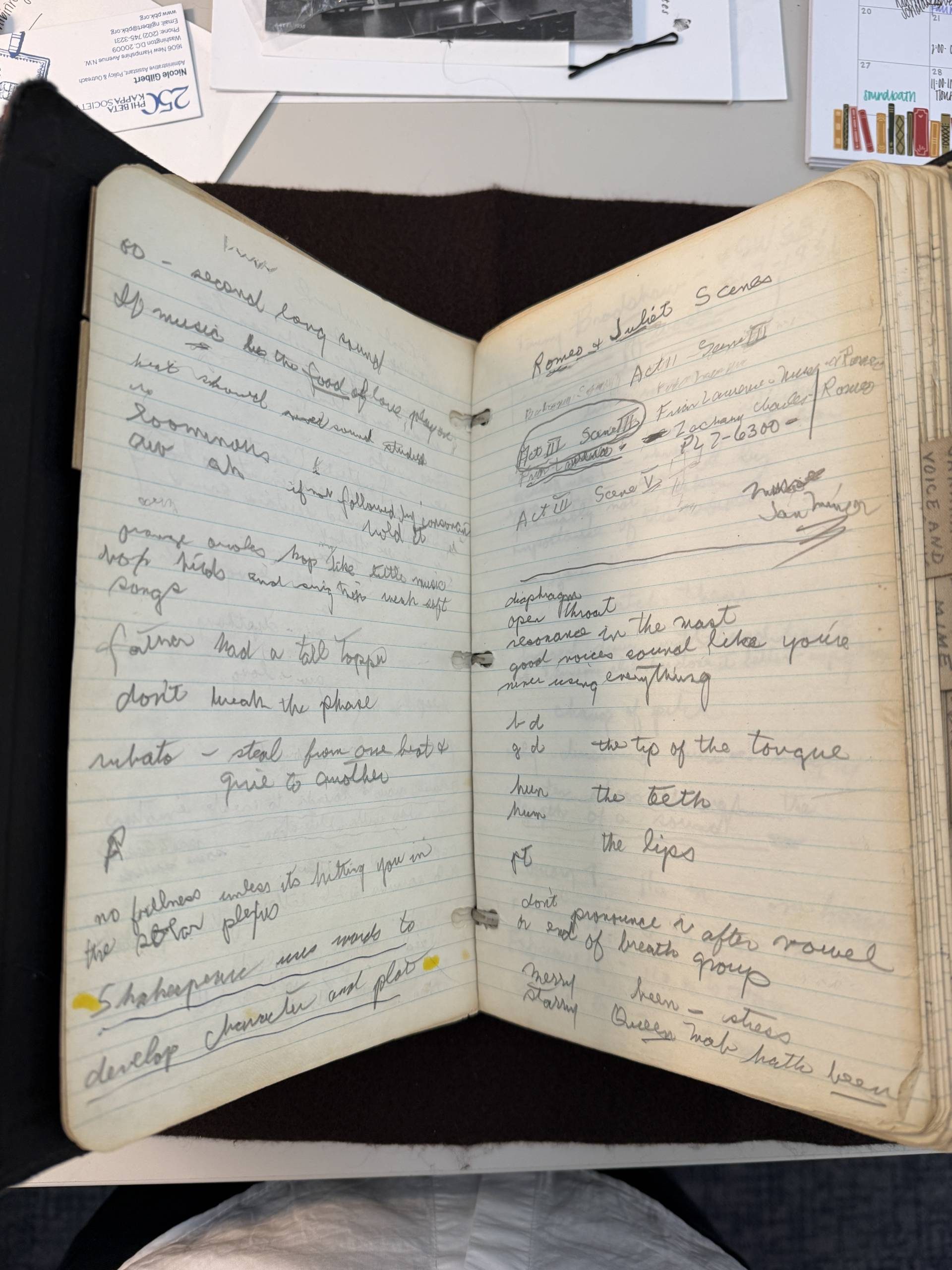
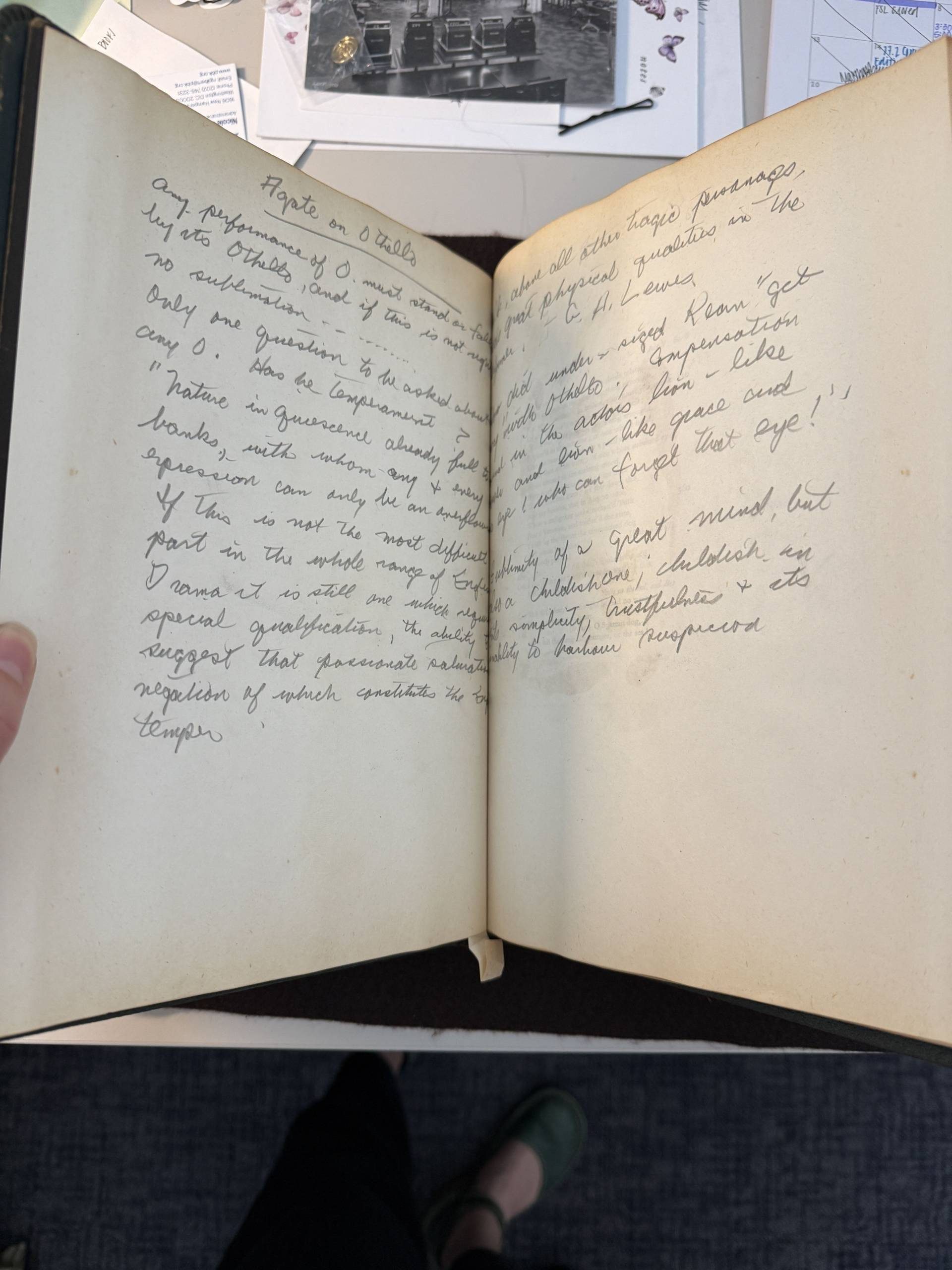
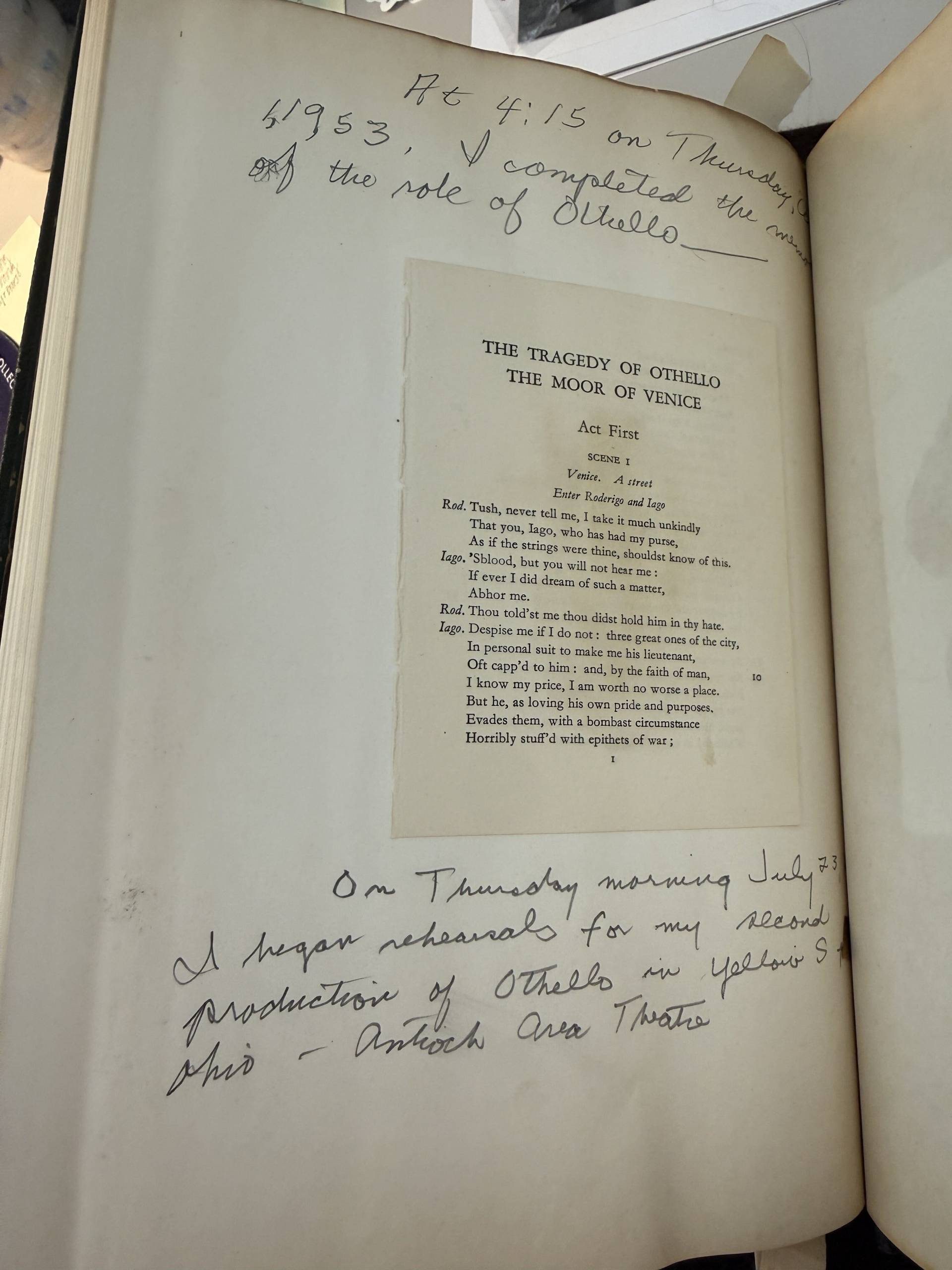
Earle Hyman Collection at the Folger Shakespeare Library

About the author
Michael A. Morrison is a New York City based writer and teacher. He is the author of John Barrymore, Shakespearean Actor and the forthcoming Paul Robeson’s Othello. He is a co-author of The Cambridge Companion to Shakespeare On Stage.
Keep exploring

Announcing the Earle Hyman Collection
Earle Hyman as the Prince of Morocco in a 1953 production of Merchant of Venice Earlier this year, the Folger Shakespeare Library was privileged to receive the Earle Hyman Collection, including many of the actor’s personal papers, photographs, and theatrical…

Q&A: John Douglas Thompson on playing Othello at the Royal Shakespeare Company
John Douglas Thompson, who is playing the title role in Othello in the Royal Shakespeare Company production, shares his insights about the character and the play.

Antioch Shakespeare Festival: John Lithgow, Robin Lithgow, and Tony Dallas
Shakespeare Unlimited: Episode 99 Over the course of three summers in the 1950s, Arthur Lithgow and a troupe of actors he’d gathered performed every single one of Shakespeare plays, in rep, at the Antioch Shakespeare Festival, also known as Shakespeare…
Stay connected
Enter your email address to follow this blog and receive notifications of new posts by email.