


Do you remember when you first encountered Shakespeare? Was it in English class in middle school, making your way through a play in a Folger Shakespeare edition? Perhaps you saw a Shakespeare play performed onstage, or in a movie adaptation? Or maybe it was something you didn’t even realize was Shakespeare until you got older?
Barbies are one example of how even as children we might encounter—and perhaps even be captivated by—Shakespeare and his characters. Before we study things like meter, rhyming couplets, and extended metaphors, before our teachers assign us essays about the themes in the plays, some of us learn to use our imaginations by playing inside Shakespeare’s worlds.


Barbie, Shakespeare, and the Imagination
Ruth Handler, co-founder of toy empire Mattel, designed the Barbie doll in 1959 as a toy young girls could use to imagine their future selves. In 2004, Barbie released two Shakespeare-inspired dolls as part of their Classic Ballet series. Barbie became the fairy queen Titania from the 1962 ballet adaptation of Felix Mendelssohn’s musical score for A Midsummer Night’s Dream. She also appeared as Juliet from Sergei Prokofiev’s Romeo and Juliet ballet.
Mendelssohn’s Midsummer
German composer Felix Mendelssohn (1809–1847) read A Midsummer Night’s Dream at 17. Inspired by the play, he wrote a concert overture for Shakespeare’s comedy in 1826, and in 1842, he composed incidental music for a production of the play, his opus 61. This second, extended composition included the famous wedding march, one of the most recognized compositions in Classical music. King Frederick William IV of Prussia requested Mendelssohn to write this longer A Midsummer Night’s Dream after the king heard the composer’s classical setting of Antigone. In 1935 the music would be reorchestrated by Erich Wolfgang Korngold for Max Reihnhardt’s film adaptation of A Midsummer Night’s Dream. The cast was filled with many of the era’s leading stars and even featured Olivia de Havilland in her film debut.
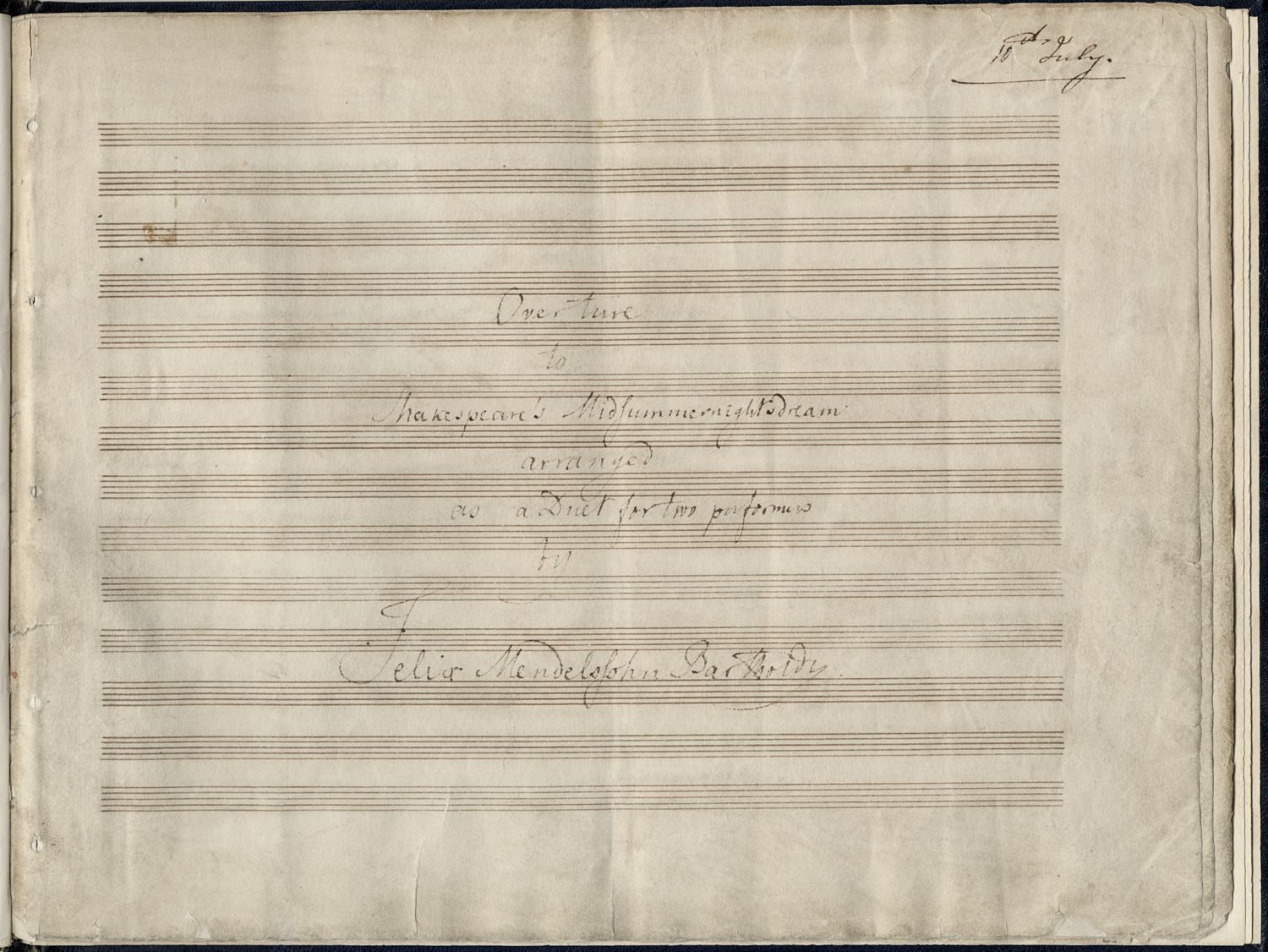

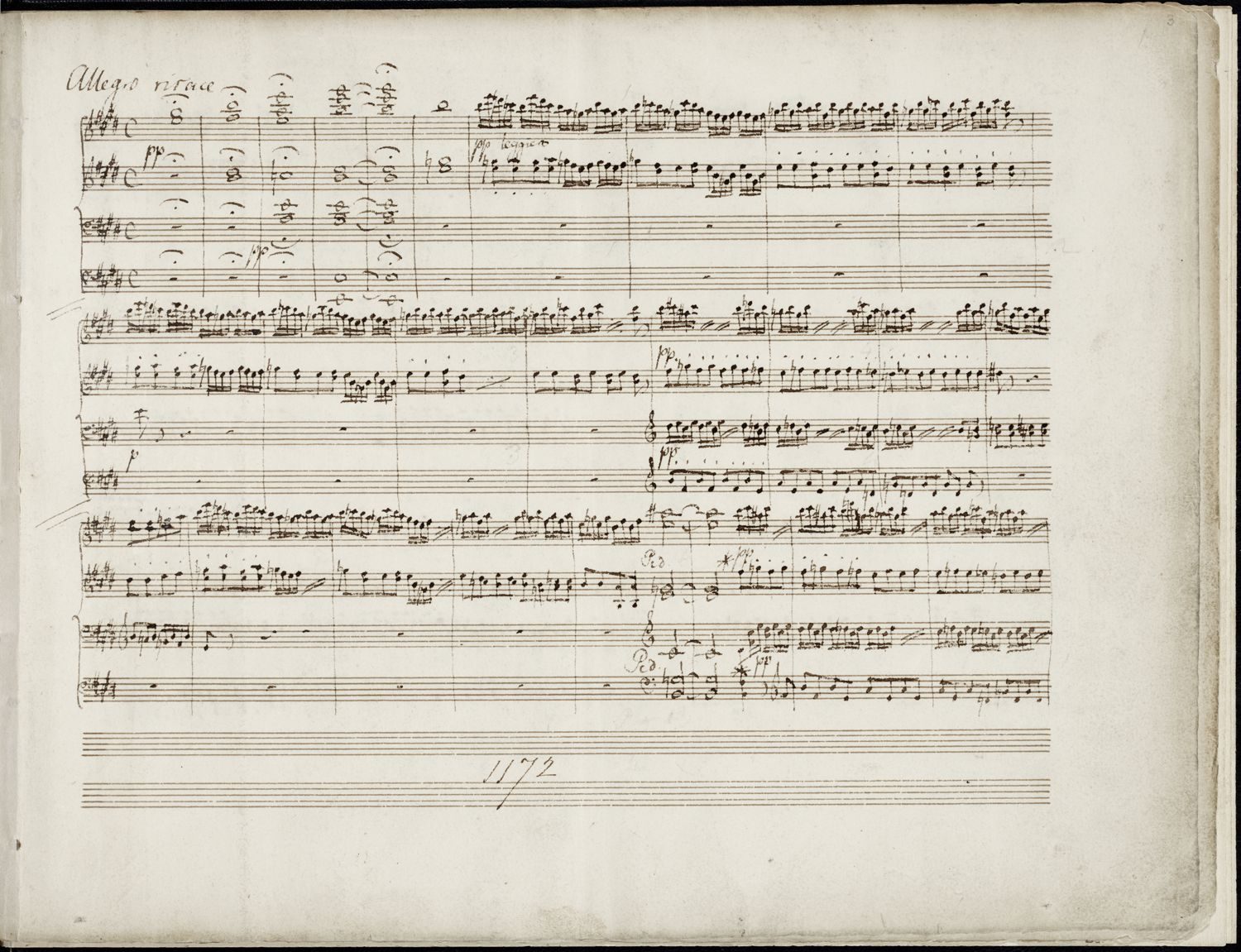
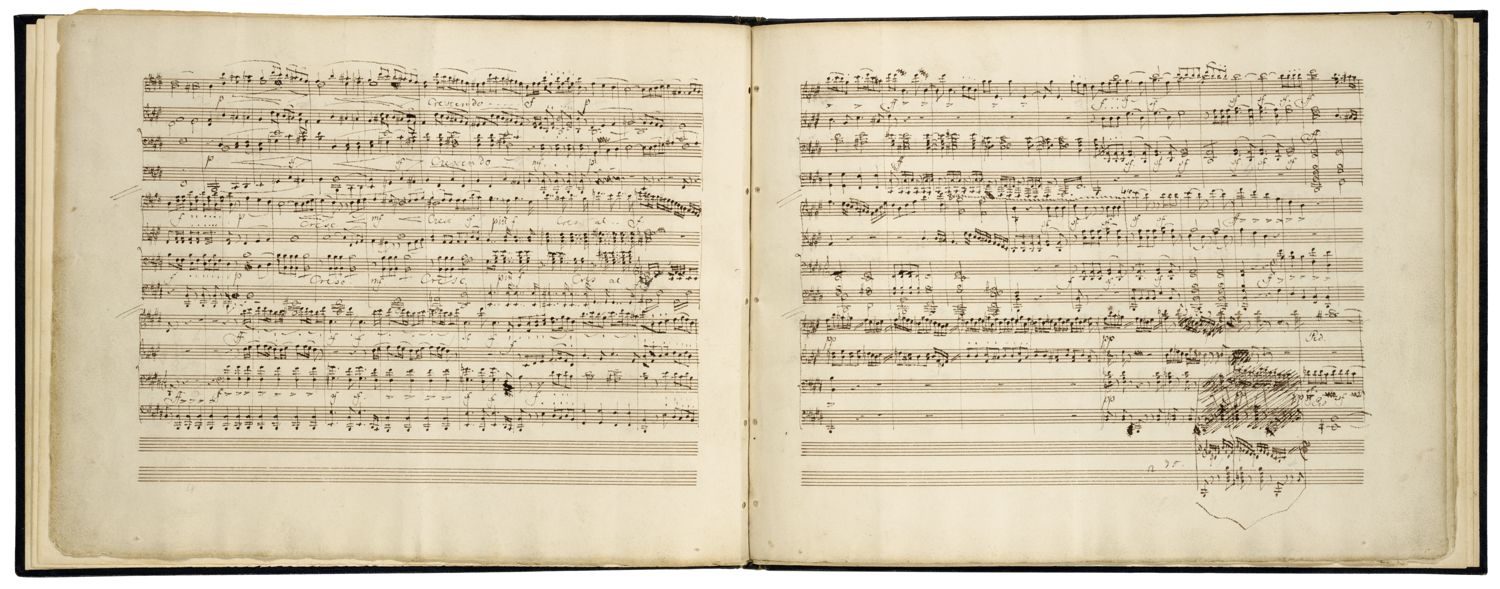
Mendelssohn’s Overture to Shakespeare’s Midsummer Night’s Dream
However, Mendelssohn’s 1842 A Midsummer Night’s Dream would not be used for a ballet until 120 years after its composition when George Balanchine (1904–1983) premiered it with the New York City Ballet. The Canadian prima ballerina Melissa Hayden (1923–2006) originated the role of Titania. Almost 50 years after the premiere, Mattel released the Titania Barbie without any reference to Shakespeare’s play or Mendelssohn’s score.
Prokofiev’s Lovers
Russian composer Sergei Prokofiev (1891–1953) wrote the first balletic suite for Romeo and Juliet in 1935. Although the famed Bolshoi Ballet in Moscow held the original contract to perform Prokofiev’s work, the company declared the musical score to be “undanceable” upon hearing it for the first time. The ballet company at the Kirov Theatre (now the Mariinsky Theatre) in Leningrad (now Saint Petersburg) with whom Prokofiev also had a relationship premiered the ballet in 1940 instead—but only after the choreographer Leonid Lavrovsky significantly altered Prokofiev’s score. Russian ballerina Galina Ulanova (1909–1998), the most decorated ballerina in the history of Soviet ballet, danced the role of Juliet. She would go on to perform the role in the 1955 filmed version which would win Best Lyrical Film and be nominated for the Palme d’Or in the 1955 Cannes Film Festival. The Folger collection has numerous publicity materials related to this film such as the souvenir programs shown here.
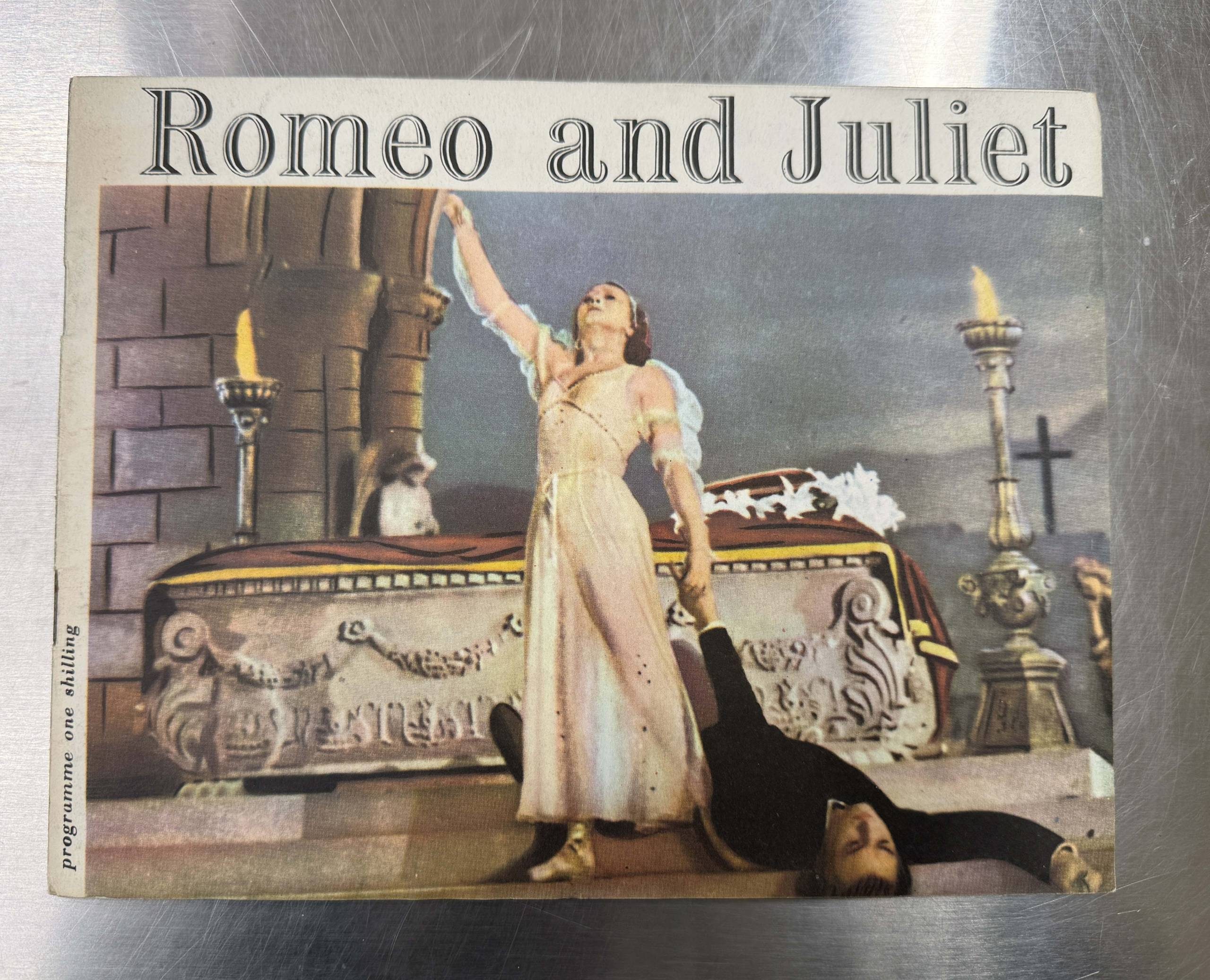

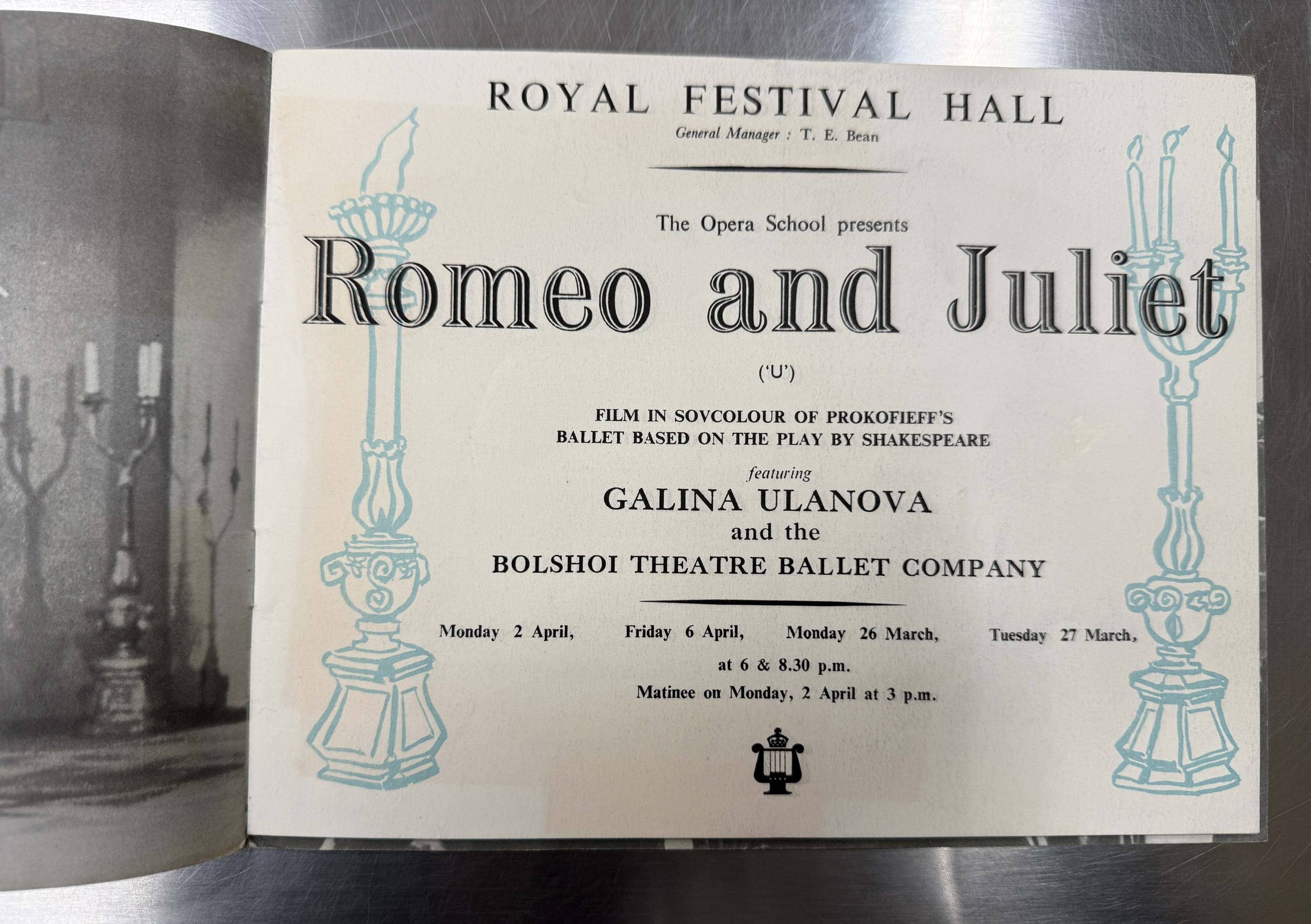
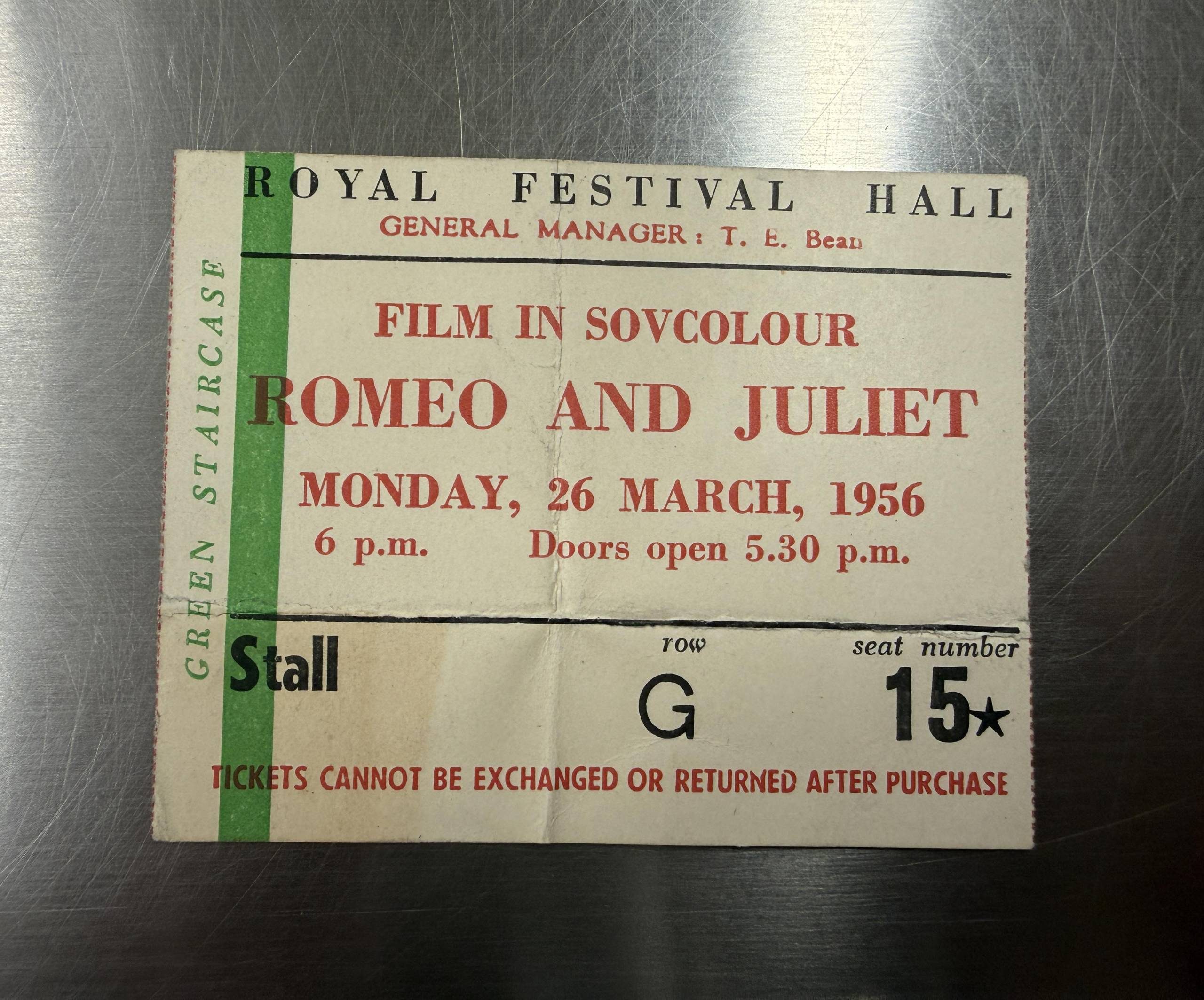
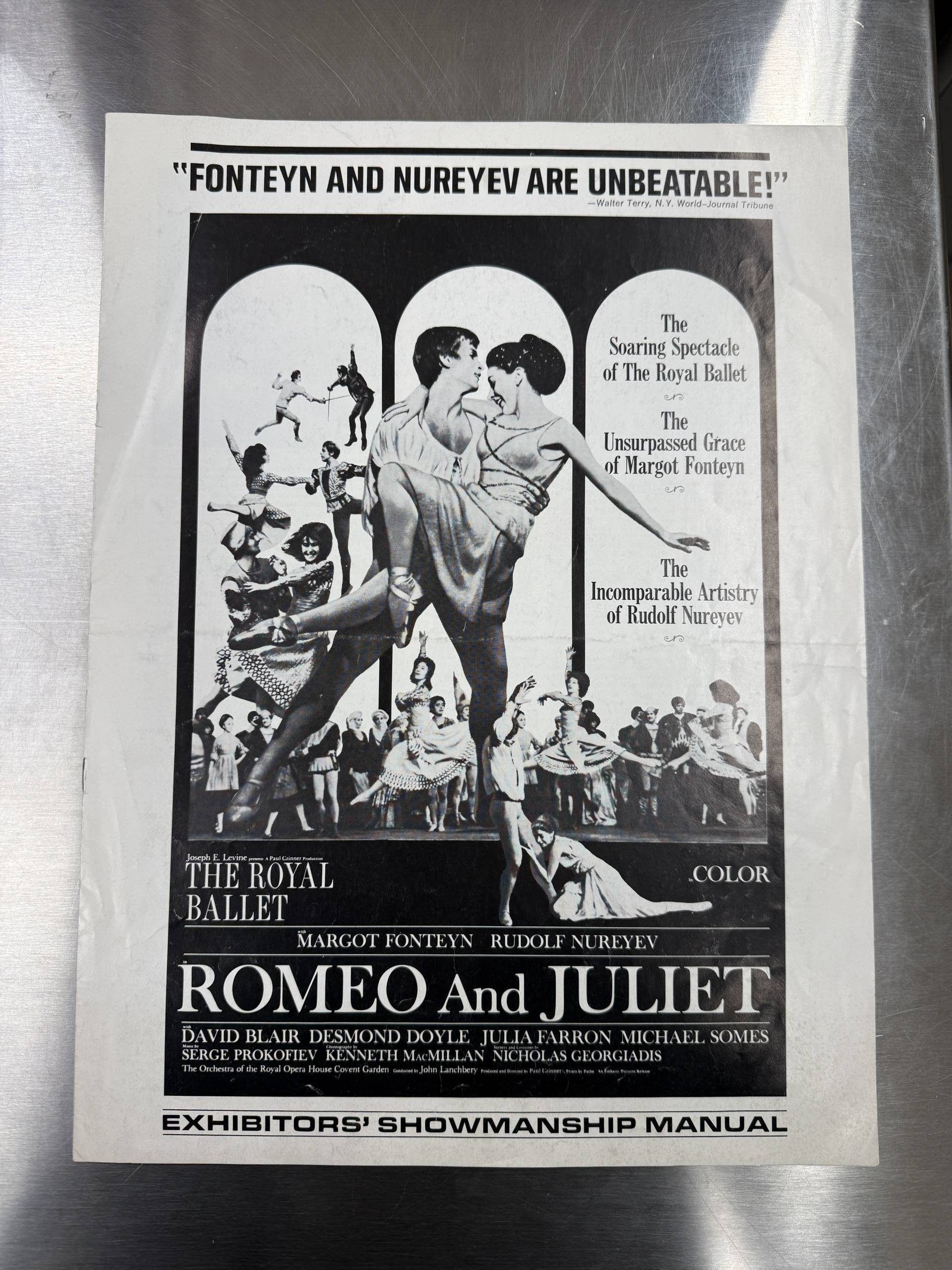
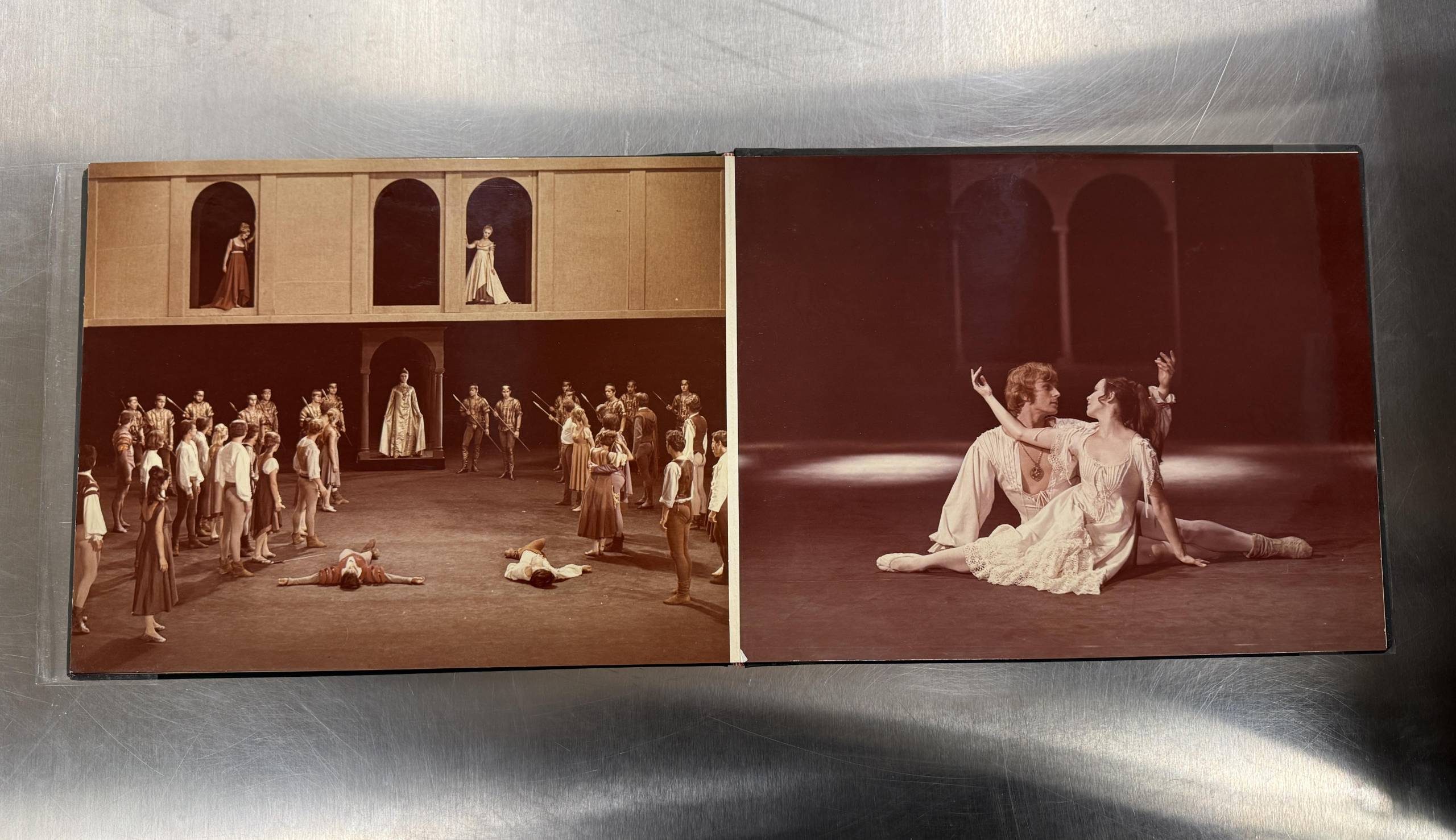
Sergei Prokofiev’s Romeo and Juliet | Bolshoi Theatre Ballet Company featuring Galina Ulanova and the Royal Ballet featuring Margot Fonteyn
Although the Stuttgart Ballet brought Romeo and Juliet choreographed by South African John Cranko (1927–1973) to American audiences in 1969, the American Ballet Theatre Company premiered the first American company’s production of Prokofiev’s ballet in 1985 at the Kennedy Center. Margot Fonteyn (1919–1991) danced Juliet.
Mattel first released Juliet Barbie in 2004 as part of the Classic Ballet series of Barbies. While Shakespeare goes unnamed, the packaging material references “the famous play” that the ballet is based upon.
The Folger Collection includes a variety of historic games and toys—like these Barbies—related to Shakespeare and his plays. It also includes a wide selection of programs for international productions of the plays and their adaptations like these Icelandic and Japanese programs for A Midsummer Night’s Dream and Romeo and Juliet.
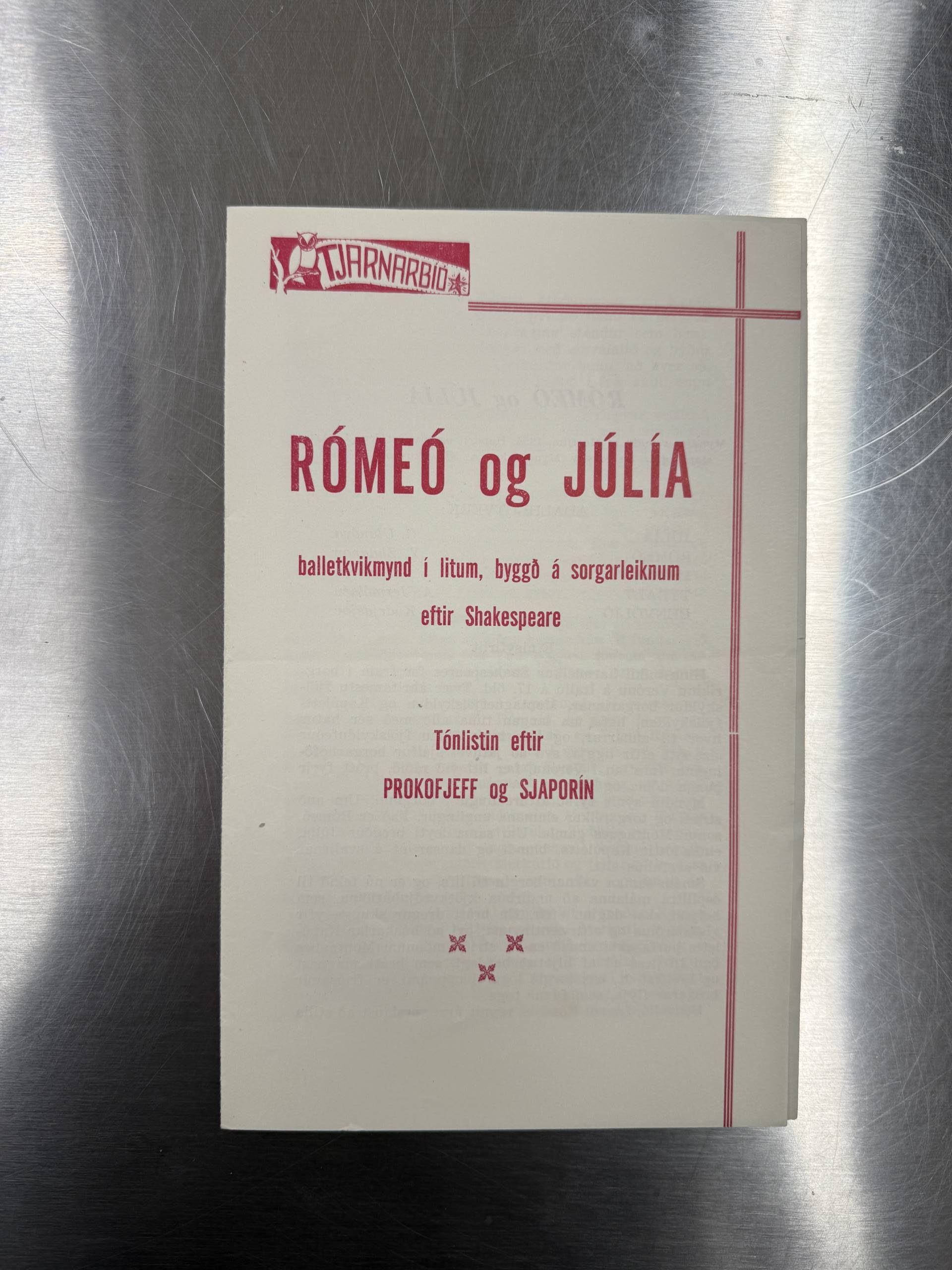

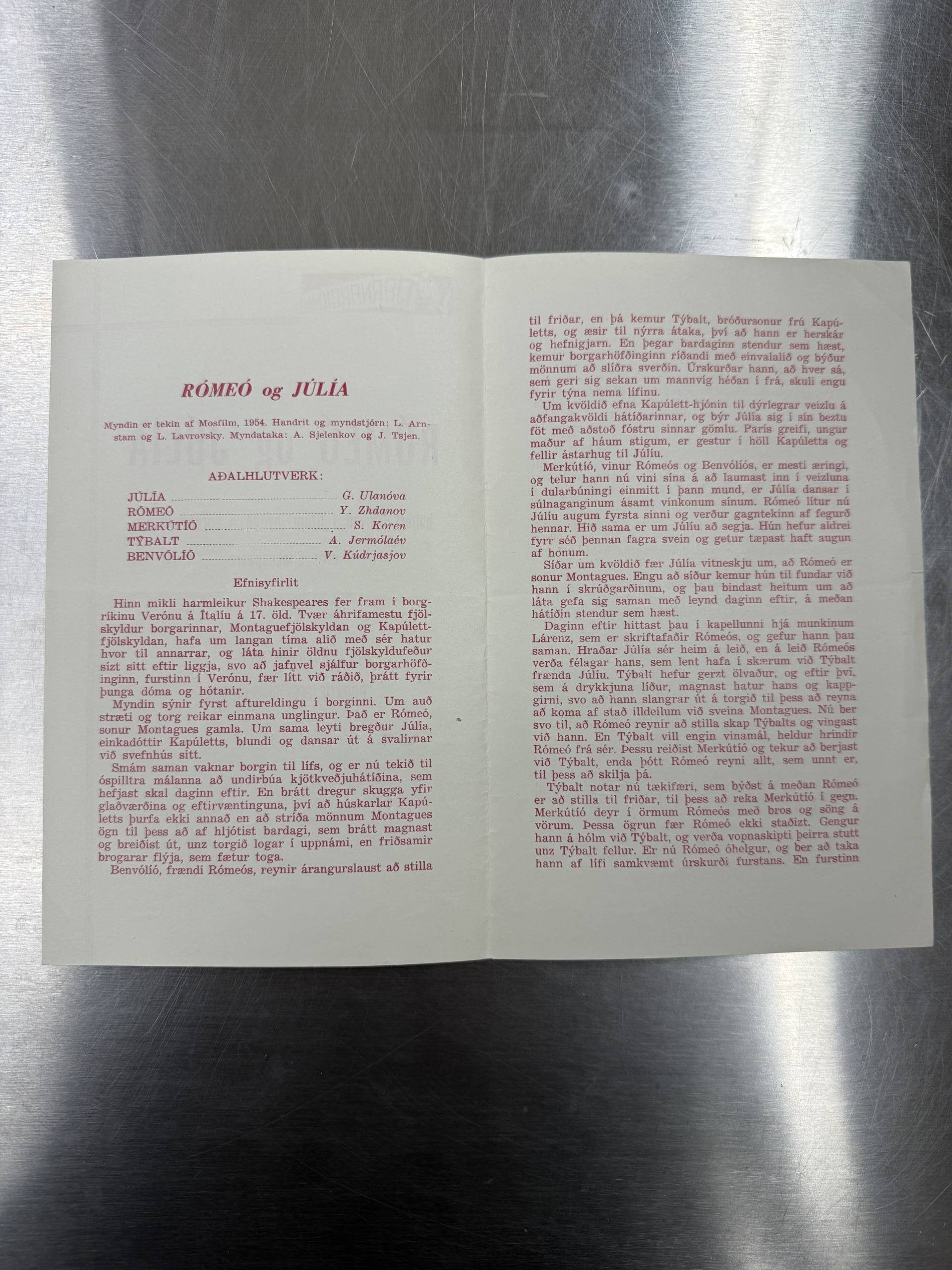
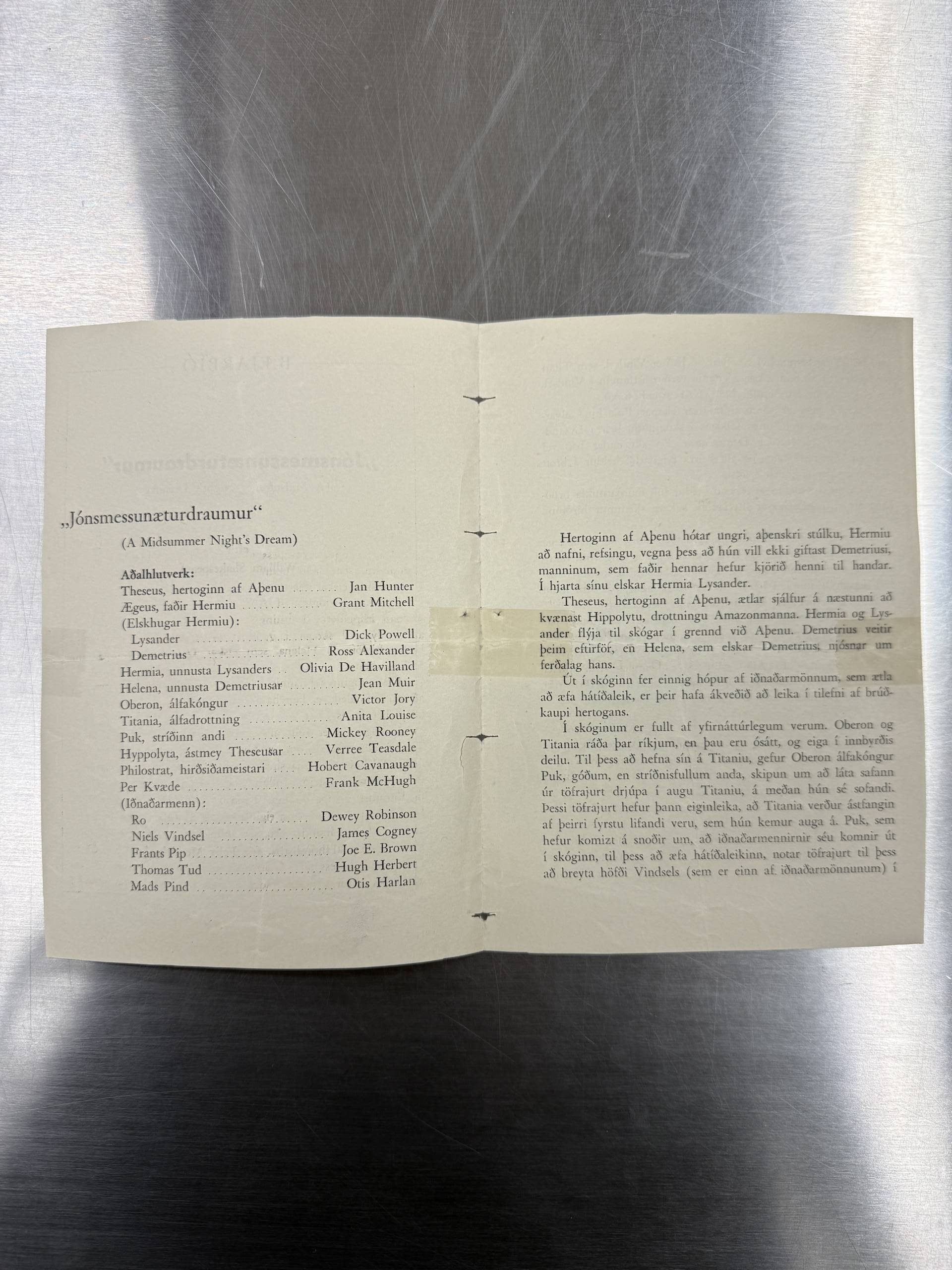
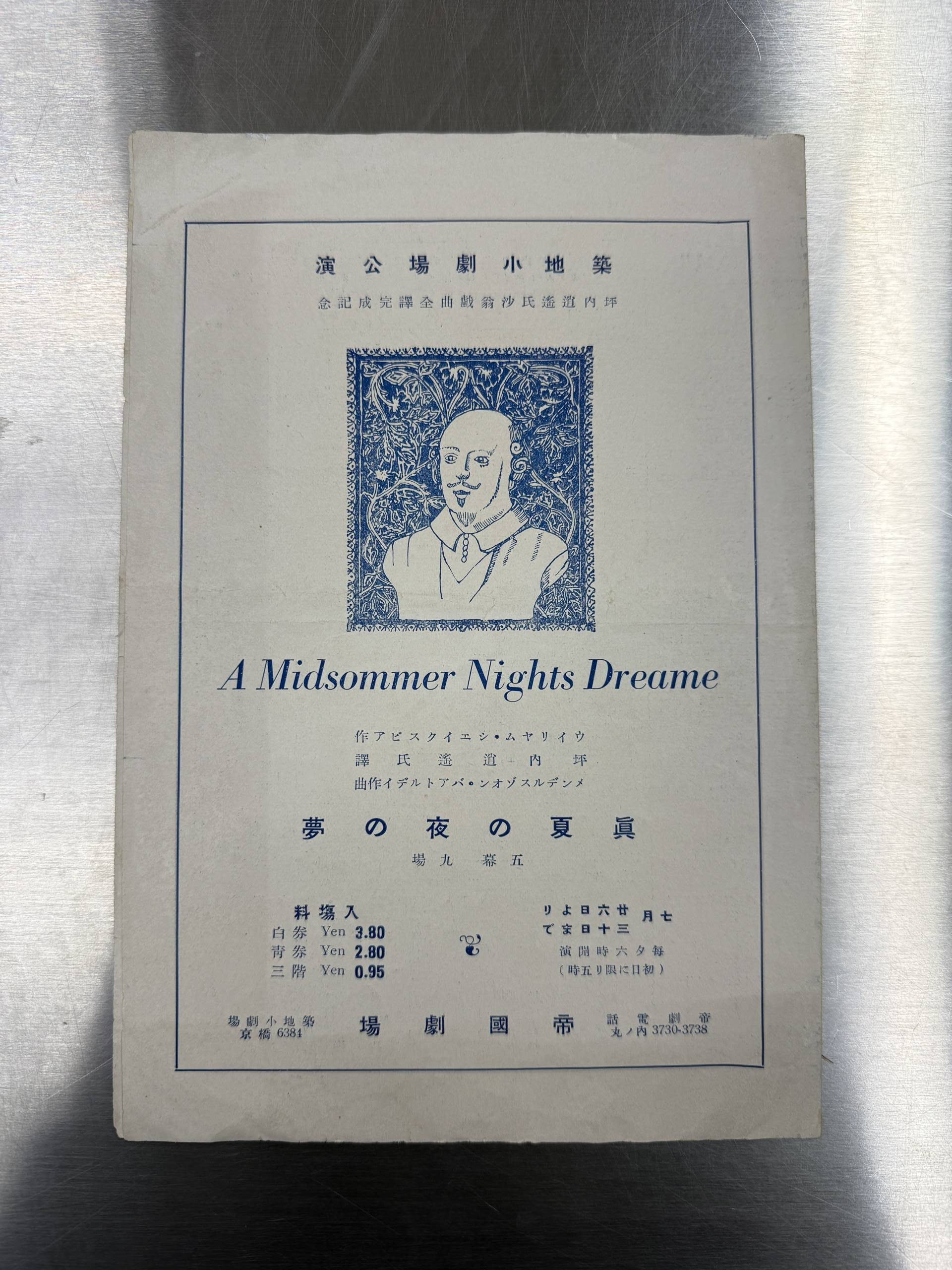
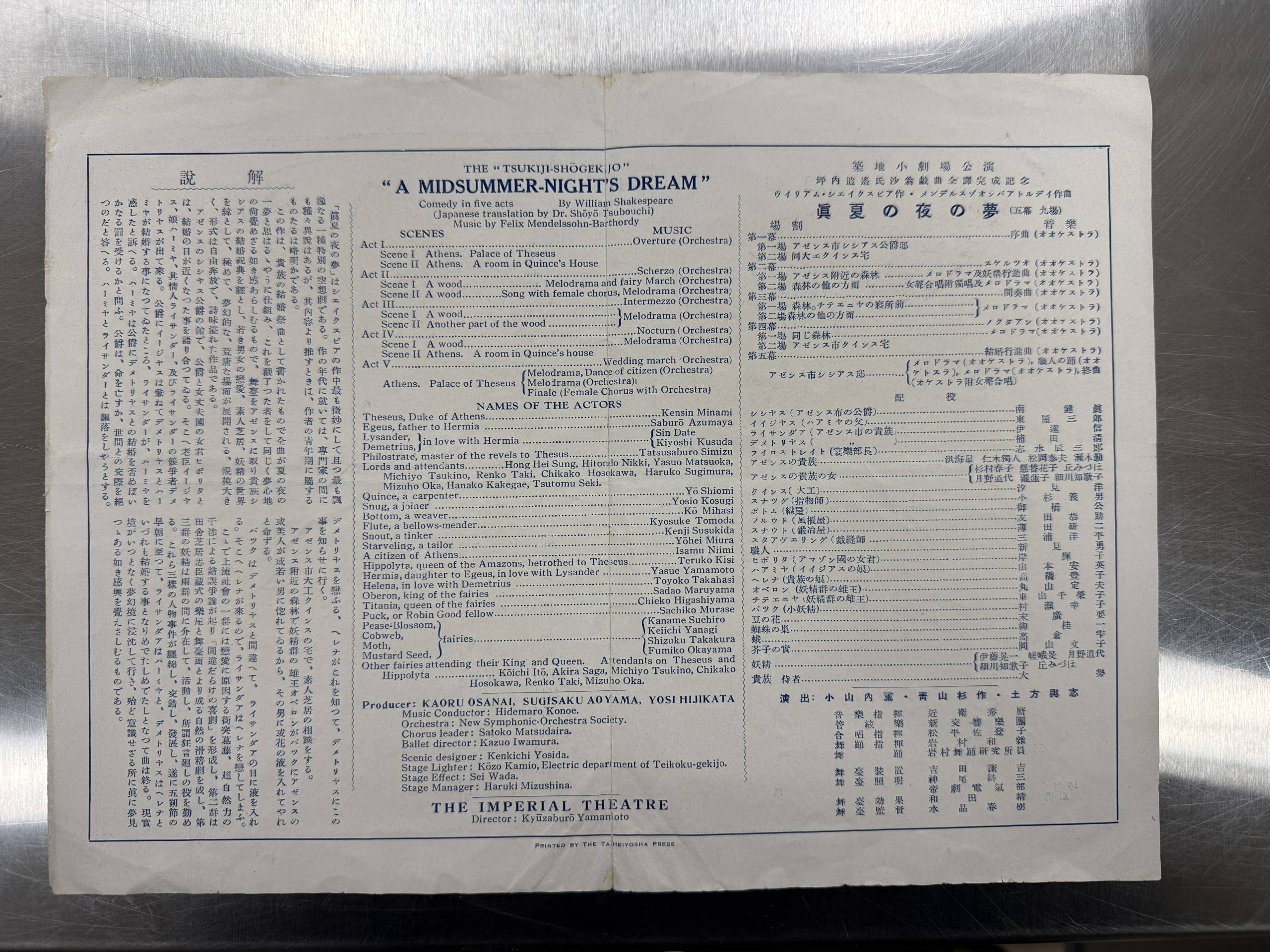
A Midsummer Night’s Dream and Romeo and Juliet
Programs from international productions and adaptations in the Folger collection
On exhibit
Classic Ballet Barbies are on view through November 15, 2026

Our Shakespeare Exhibition
Keep exploring

The Miniature Mystery of the Maybe Barbie Book
Does this dollhouse copy of Shakespeare’s plays belong to Barbie?

The game's the thing
See examples of creative and beautifully illustrated card games and board games in the Folger collection that use Shakespeare quotes and make references to his plays.

Staging Hamlet in Grand Theft Auto
When theaters shut down during COVID, actors Sam Crane and Mark Oosterveen performed Hamlet inside Grand Theft Auto Online. Filmmaker Pinny Grylls captured it all in a documentary, Grand Theft Hamlet.
Stay connected
Enter your email address to follow this blog and receive notifications of new posts by email.