

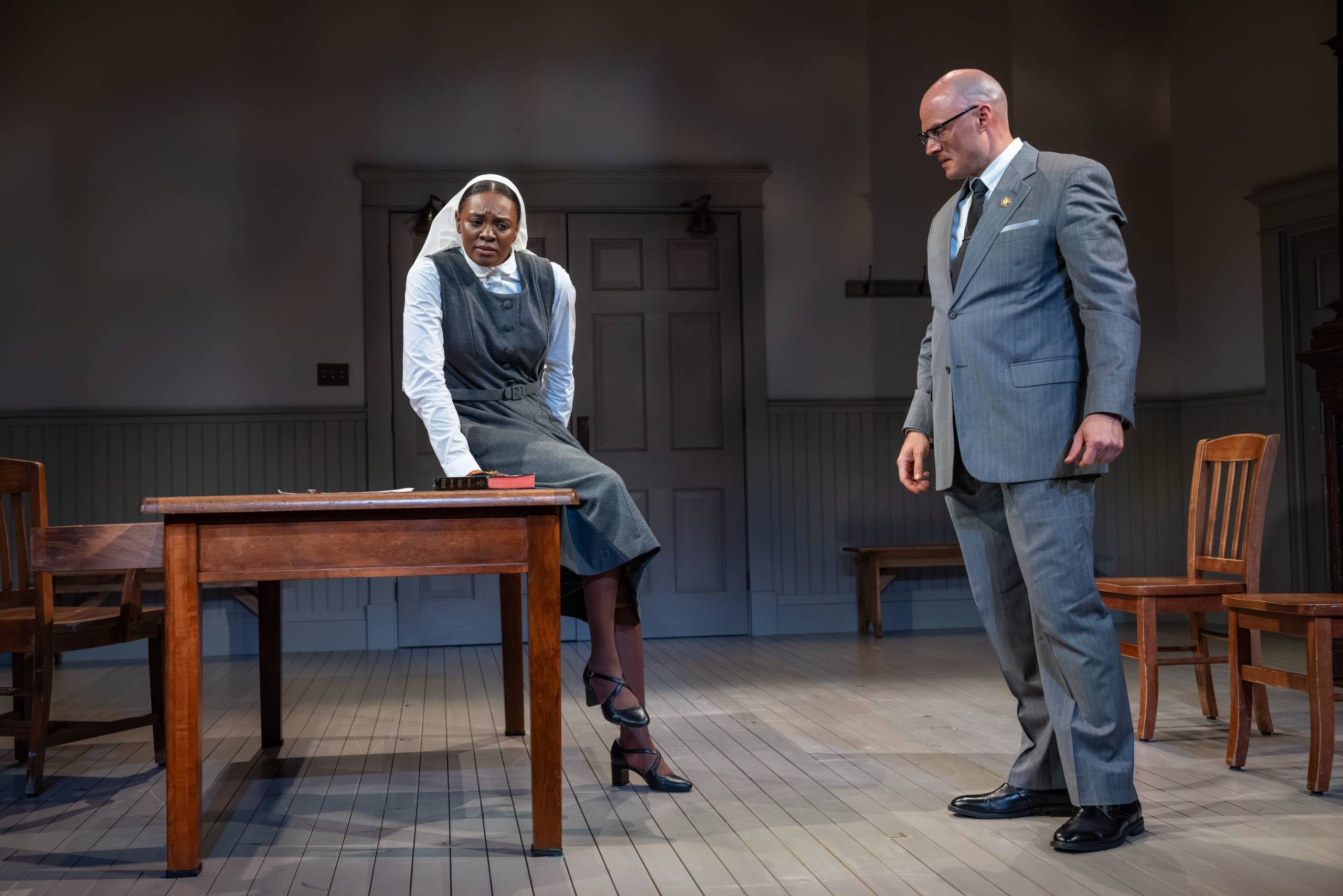
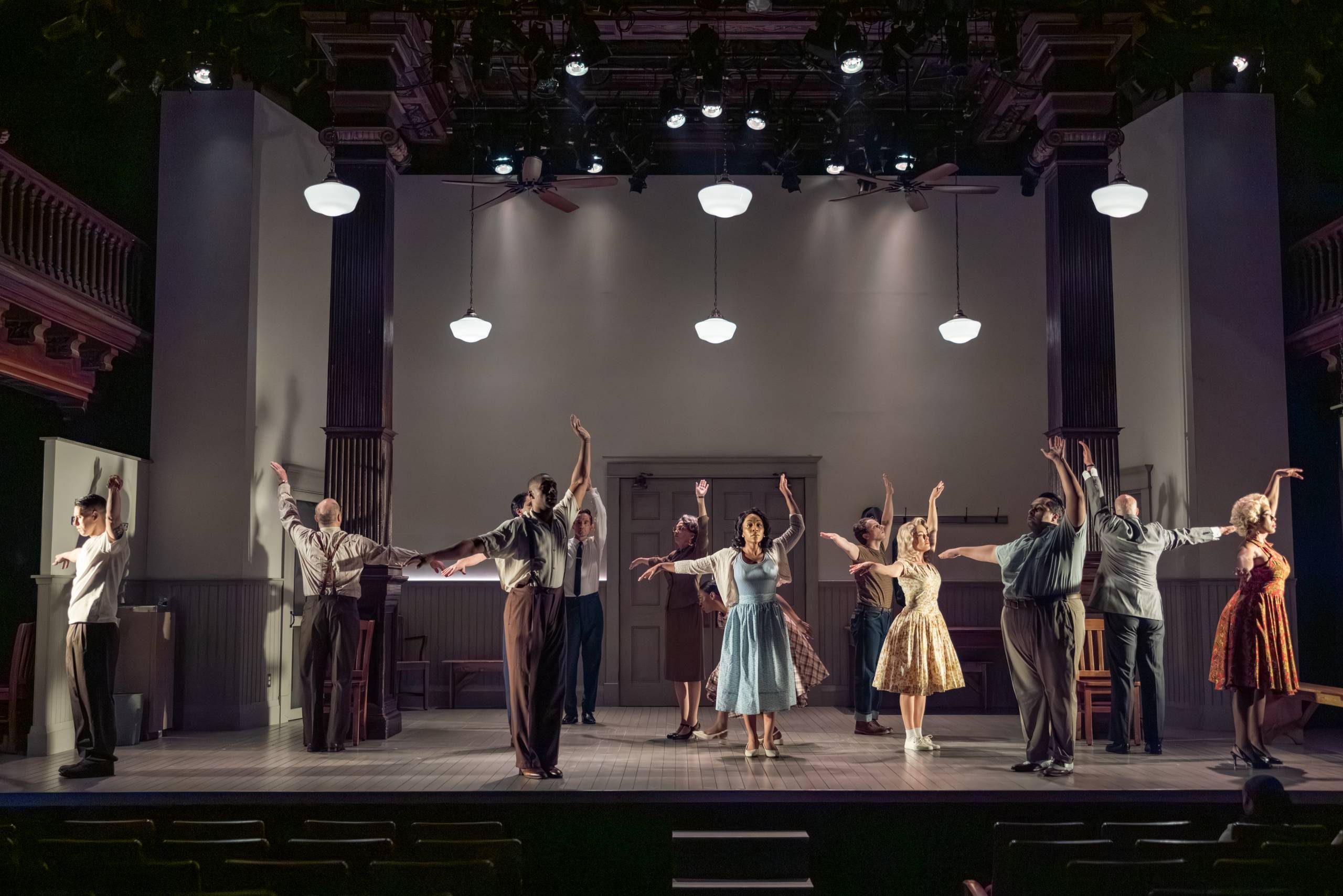
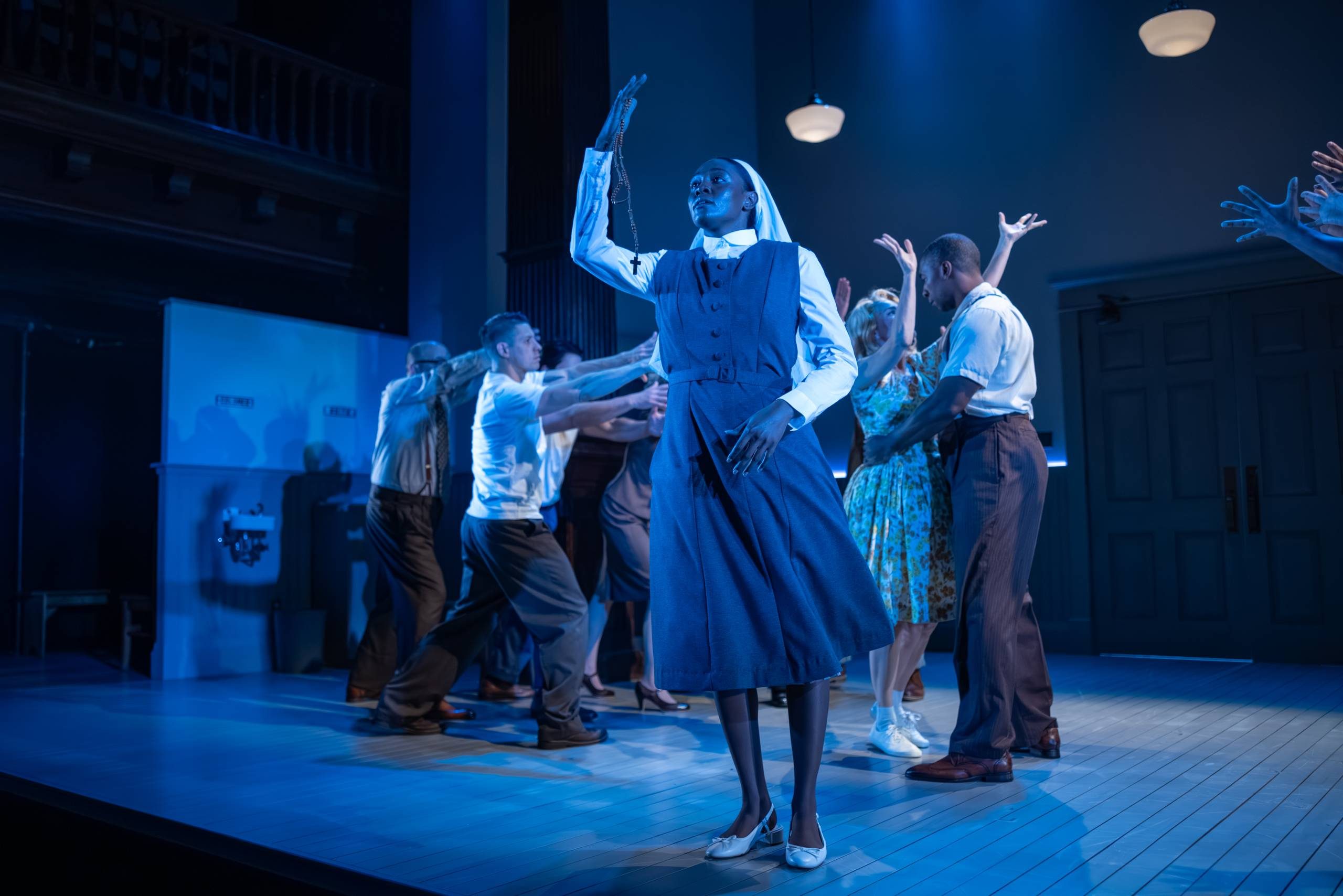
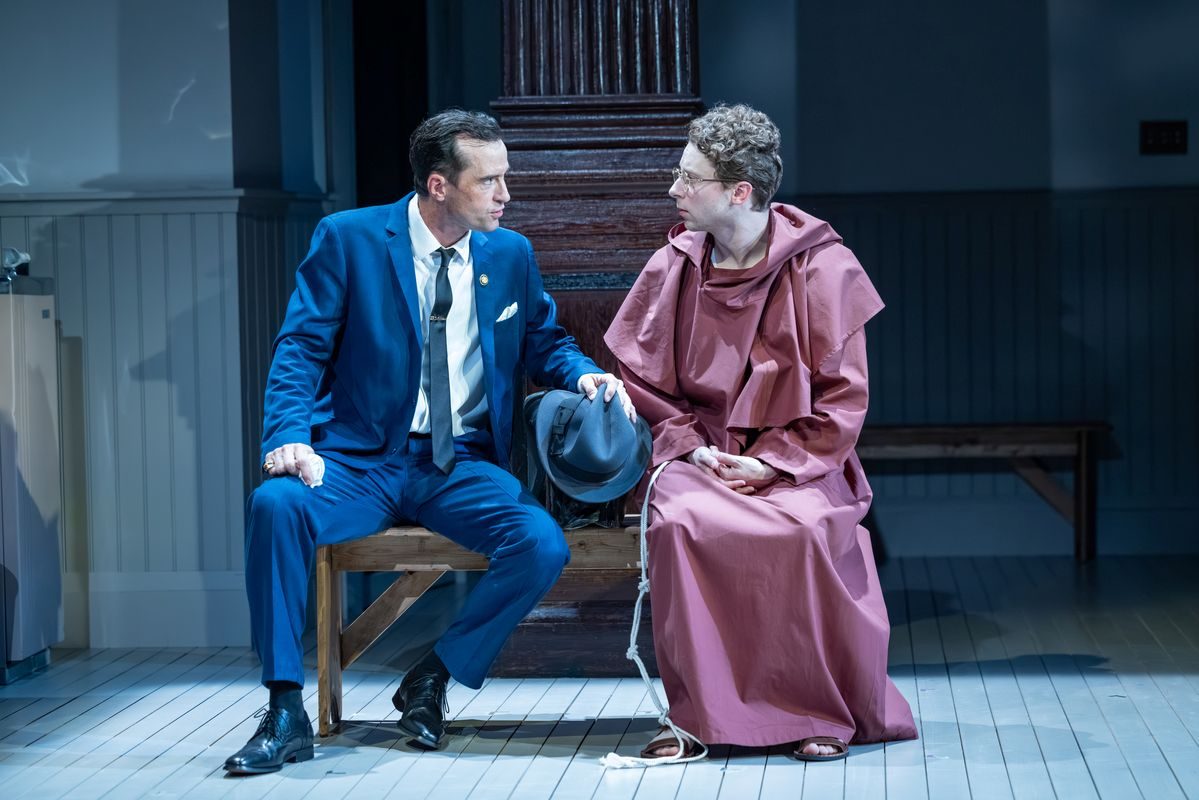
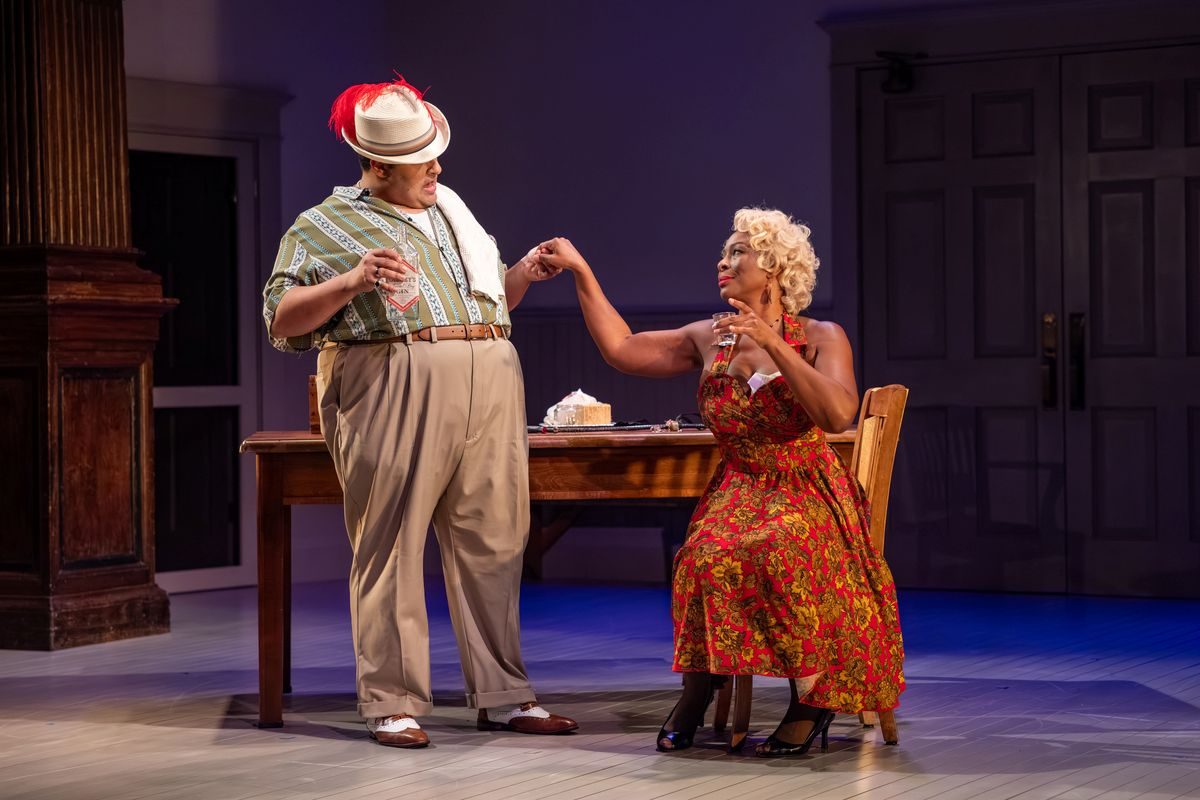
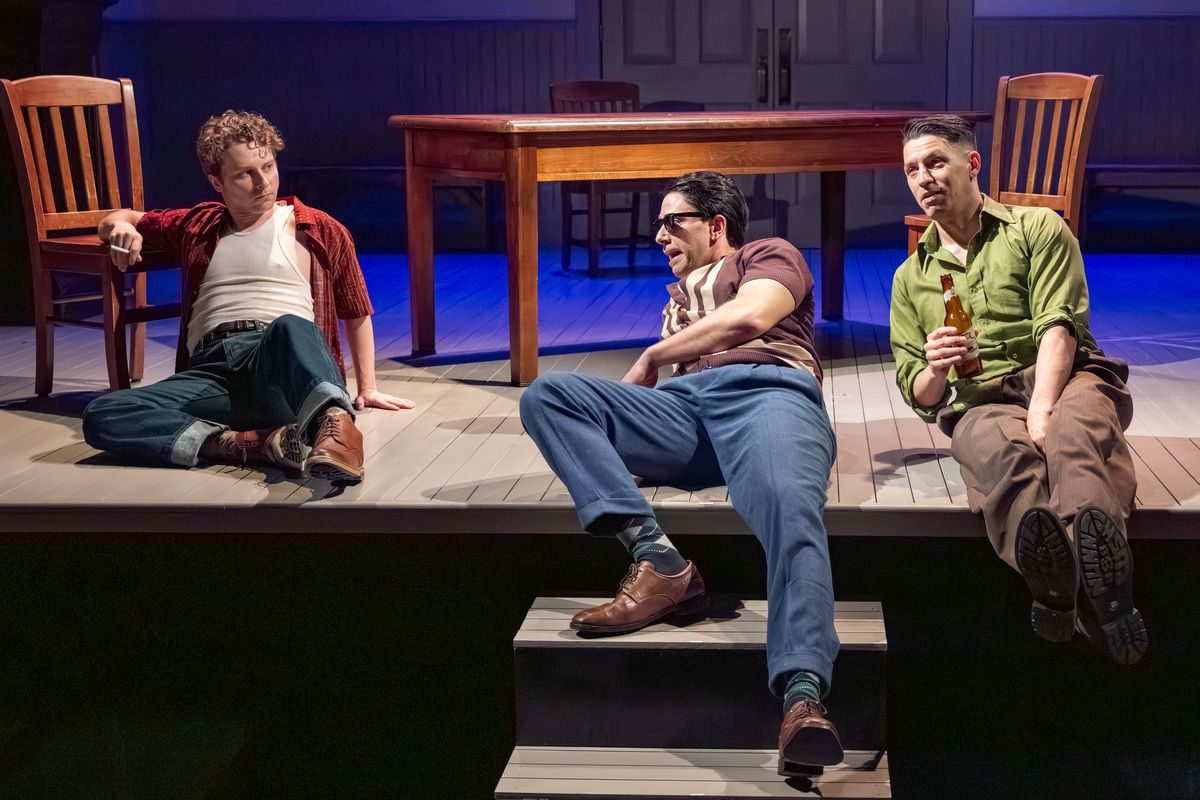
Measure for Measure has long been considered one of William Shakespeare’s so-called “problem plays,” in part because, though designated in the First Folio as a comedy, it’s not particularly funny. Measure for Measure depicts moral conflict in a world where corrupt and hypocritical leaders obsessed with fulfilling their own desires punish the desires of others; subject matter, you might think, perfectly aligned with our present moment. Yet just as Shakespeare’s original setting of 16th-century Vienna was a stand-in for his own London, the current Folger Theatre production (running through November 1) sets Measure for Measure in the Jim Crow South of the 1950s, continuing a pattern of recent productions that gives historical specificity to the play’s potentially distant and abstract ethical dilemmas.
In the 2022 Chicago Shakespeare Theatre production, director Henry Godinez set Measure for Measure in pre-Castro Cuba of the 1950s, where Shakespeare’s original “Vienna” scans perfectly as “Havana.” Godinez created a world of light, music, and dance increasingly darkened by the Duke’s abdication of responsibility and the moral decay of Angelo’s temporary leadership. As he told me on my Reduced Shakespeare Company Podcast, Godinez knew from his time working and studying in Cuba how the “ideological piety and righteousness” of Havana mirrored the “religious righteousness” of Vienna in Shakespeare’s play, and by opening each performance with vibrant live music and singing, audiences really felt the loss when Angelo started shutting everything down. Godinez even managed to create a surprisingly hopeful ending that suggested that art and artists, once-forbidden, might return and be instrumental in leading a new revolution against the forces of hypocrisy, connecting 1950s Cuba not only to 17th-century London but to this third decade of the 21st century.
Measure for Measure actually benefits from being set in a more recent time period, giving audiences, in Folger Theatre director Psalmayene 24’s words, “a unique opportunity to understand the play in a different way” by allowing us to watch the story play out in a more recognizable historical era.
One of Measure for Measure’s “problems,” as far as I’m concerned, is that for all of Angelo’s deplorable behavior, it’s really the Duke who is the play’s true villain, the one who sets all the conflicts into motion while getting up to allegedly comic hijinks disguised as a monk. Yet the Duke rarely gets the kind of punishment I think he deserves, a feeling shared by director Robert Falls who tried to address it in his 2013 Goodman Theatre production. “For Falls, the Duke is a manipulative fraud from beginning to end,” critic Terri Bourus writes in the Shakespeare Bulletin, who, in Falls’s words is ‘a bipolar liberal’ “who at play’s end pardons and releases from prison an indisputably guilty and unrepentant murderer.” In an attempt to visit some retribution upon the Duke, Falls added a moment at the end of the play where, as couples are pairing off and dancing, the criminal Bernardine enters and slices Isabella’s throat in stylized slow-motion as the Duke, horrified, rushes forward, unable to save her. I love a big swing, but there’s no question that killing Isabella punishes her for her piety far more than it punishes the Duke, and I don’t blame critics and audiences alike who rejected that ending. While it’s true the playwright gave Isabella no lines in that final scene after the Duke proposes to her, there’s no indication Shakespeare wanted her dead.
Until that final moment, however, Falls had successfully turned Shakespeare’s Vienna into an urban 1970s hellscape in both theatrical and funny ways. The characters were a racially diverse cast of Black Americans, malaprop-spouting Italian and Polish cops, and Latinx actors who played Isabella and Claudio and spoke occasionally in Spanish. The Duke disguised himself as “Father Moynihan” instead of “Friar Ludovic.” And the music of Donna Summer underscored both the orgiastic opening (“Love to Love You Baby”) and the briefly celebratory closing (“Last Dance”). But the comedy and tawdry sexual behavior in no way prepared us for that extra-textual moment of shocking violence Falls added at the end. As Bourus described it, Falls “deliberately blindsided us” with an unexpected tonal shift that sent the audience out of the theater angry at “being played.”
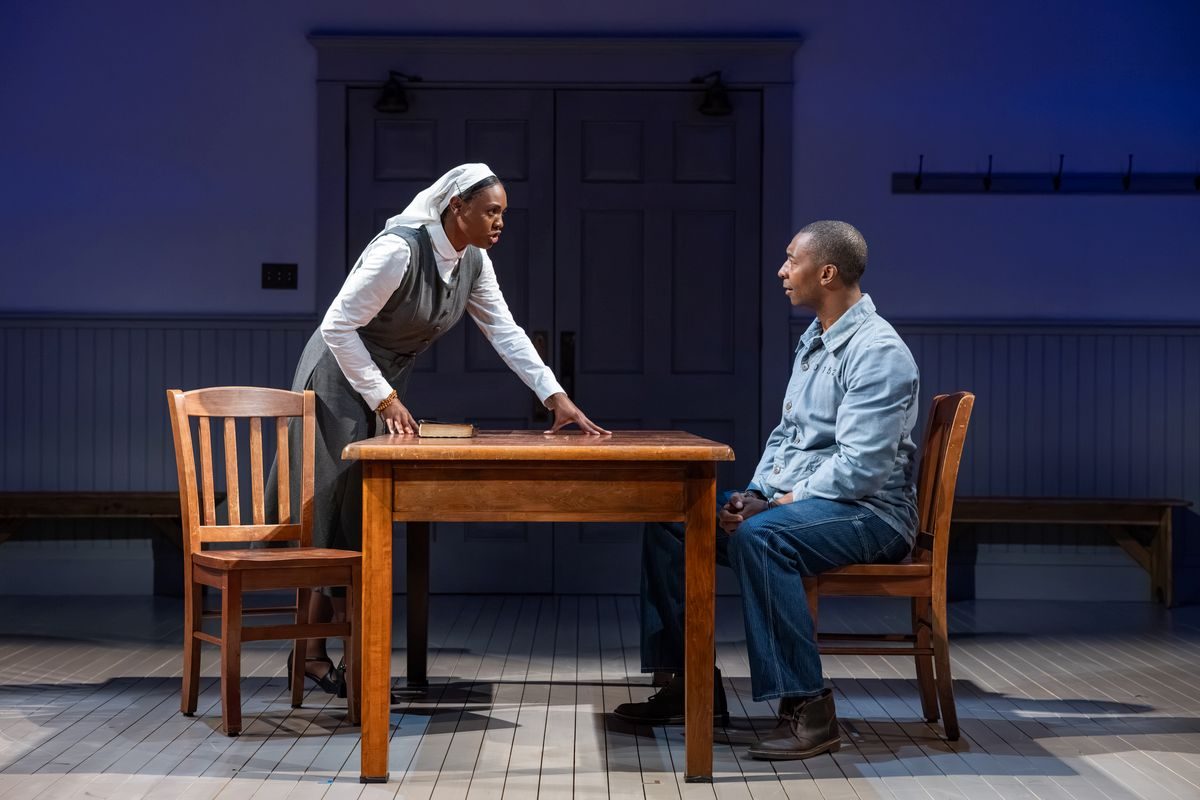
The central dilemma of Measure for Measure, of course, is Angelo’s insistence that Isabella sleep with him in exchange for freeing her brother Claudio from prison. Isabella declines to do this and crucially, both the Chicago Shakes and Goodman productions contextualize Isabella’s refusal to trade her chastity for her brother’s freedom in ways made powerfully clear to a modern audience. In the 1970s Goodman version, Isabella’s rejection of Angelo’s depraved offer felt like an existential choice as much as a spiritual one. And in the 1950s Chicago Shakespeare version, Isabella’s devotion and commitment to her faith made cultural as well as religious sense in historically and deeply Catholic Cuba.
Director Psalmayene 24’s current Folger production, also set in the 1950s but in the American South, uses race as “another factor in the navigation of power,” heightening the tension between Angelo and Isabella and raising the stakes for Claudio and his white lover. Psalm said he was “surprised at how the ideas of Measure for Measure have been energized by thinking about them through this historical lens,” which is the exact value of all these successful productions. Unlike, say, Julius Caesar, where a too-specific modern setting obscures Shakespeare’s very clear message about the unintended consequences of political violence, Measure for Measure actually benefits from being set in a more recent time period, giving audiences, in Psalm’s words, “a unique opportunity to understand the play in a different way” by allowing us to watch the story play out in a more recognizable historical era.

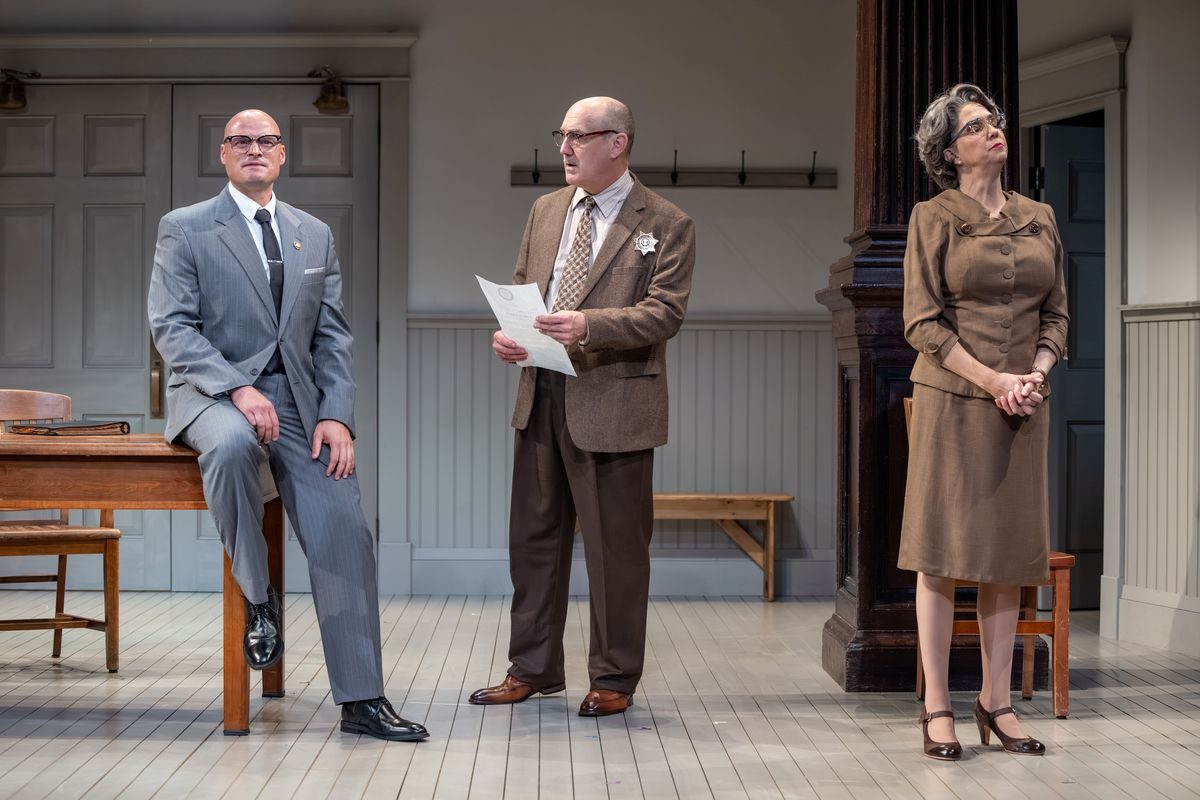
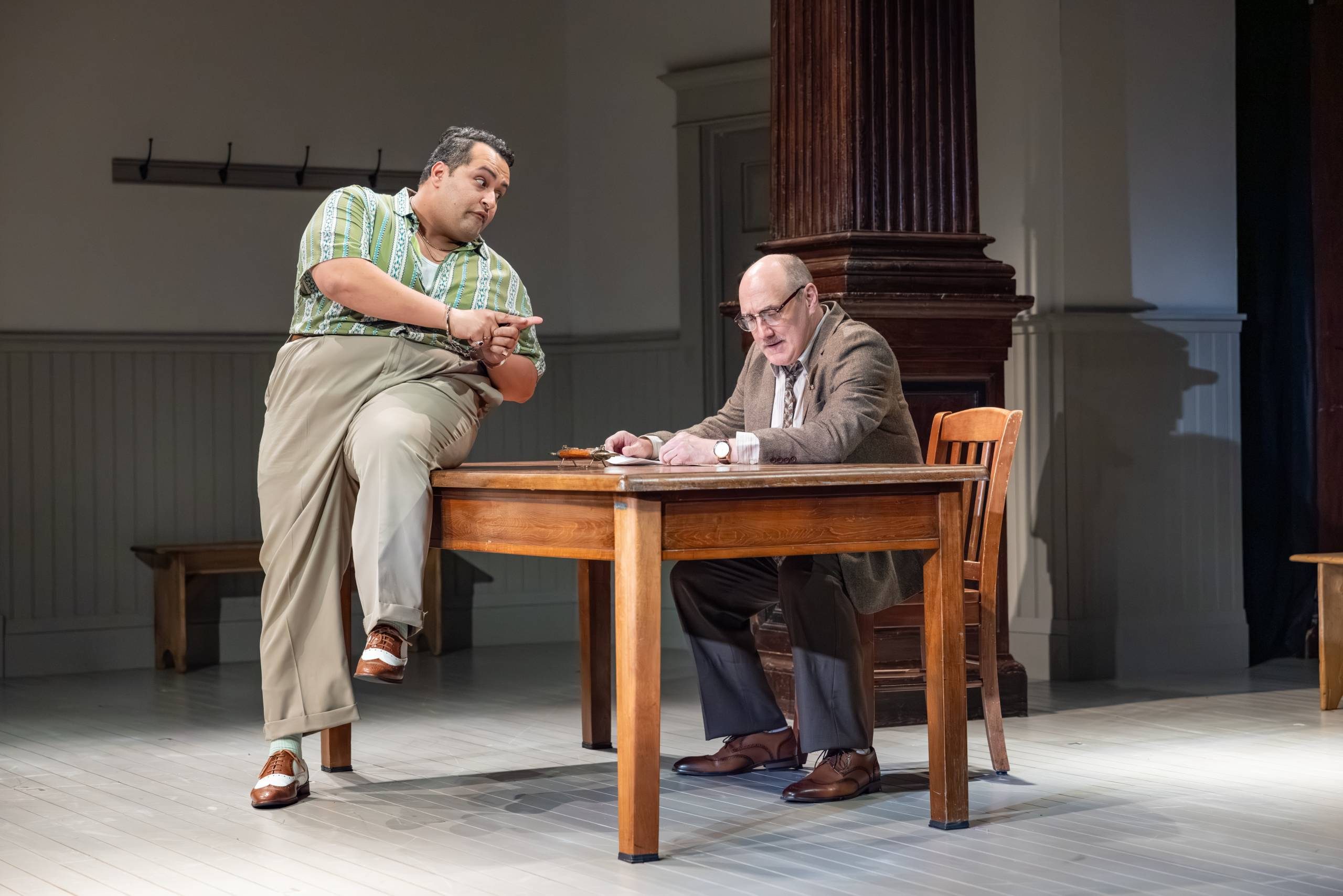
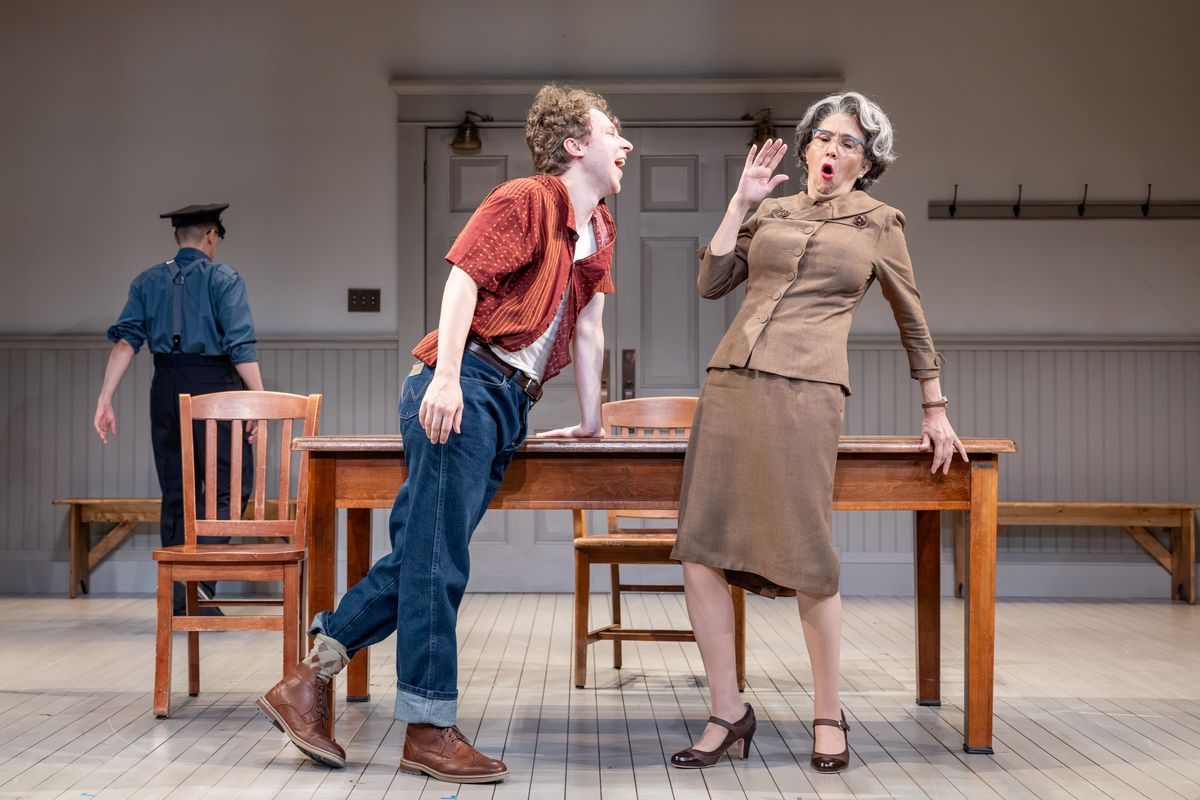
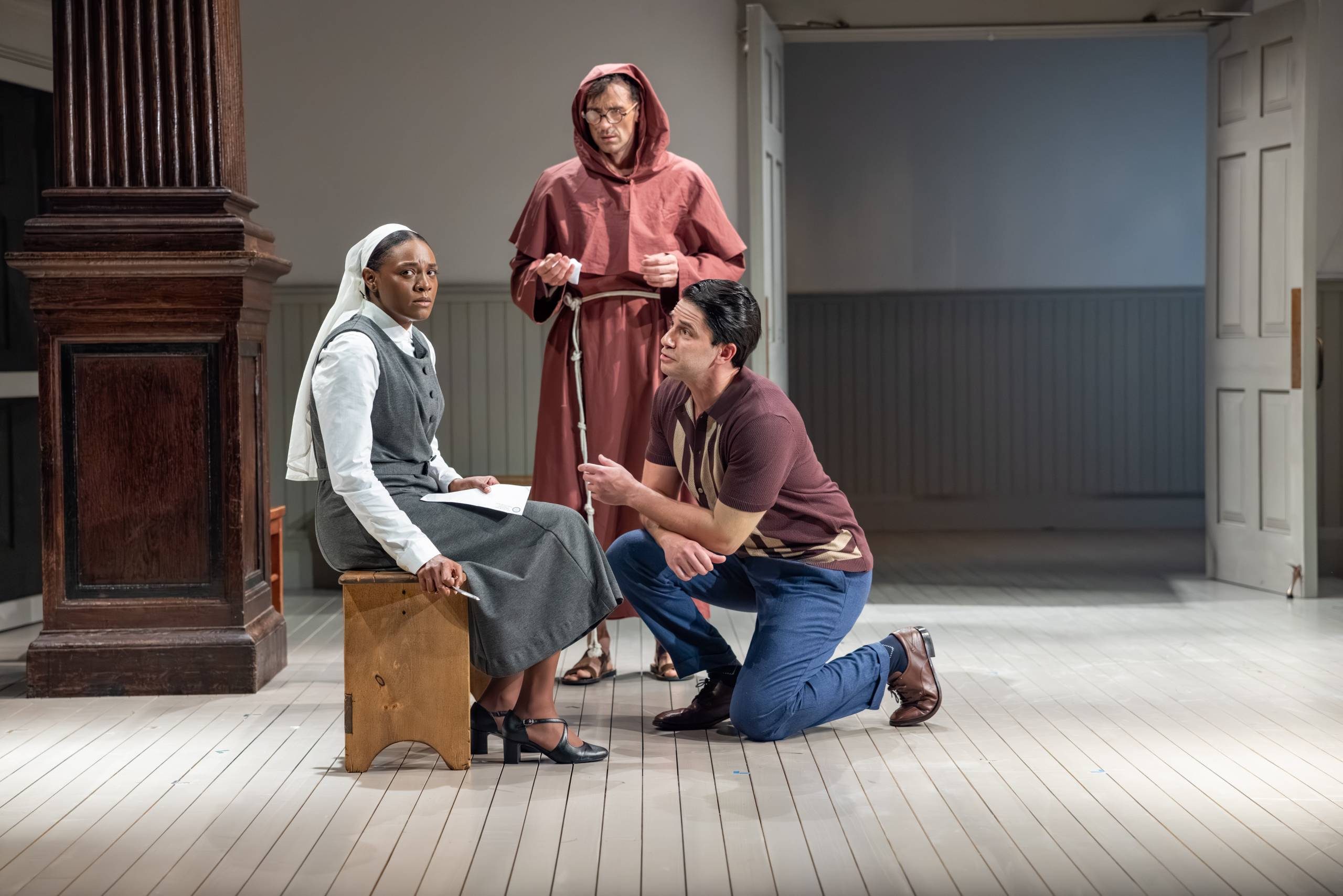
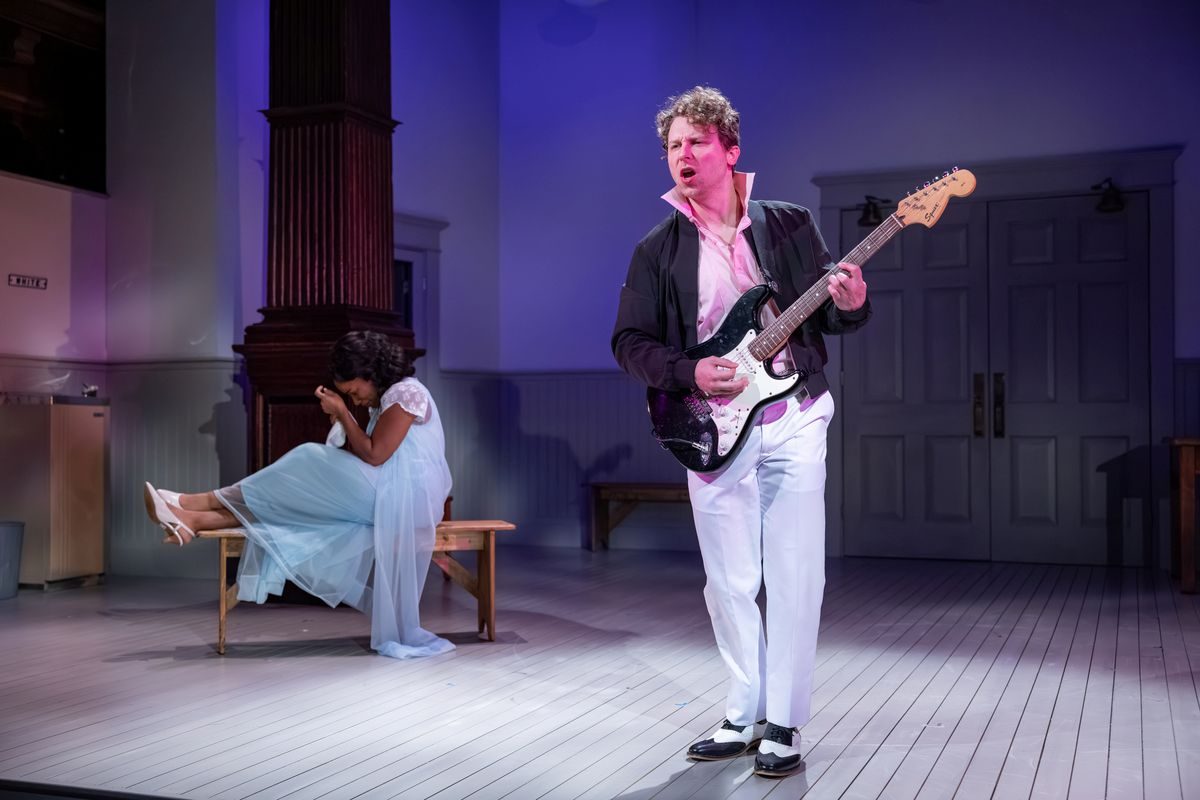
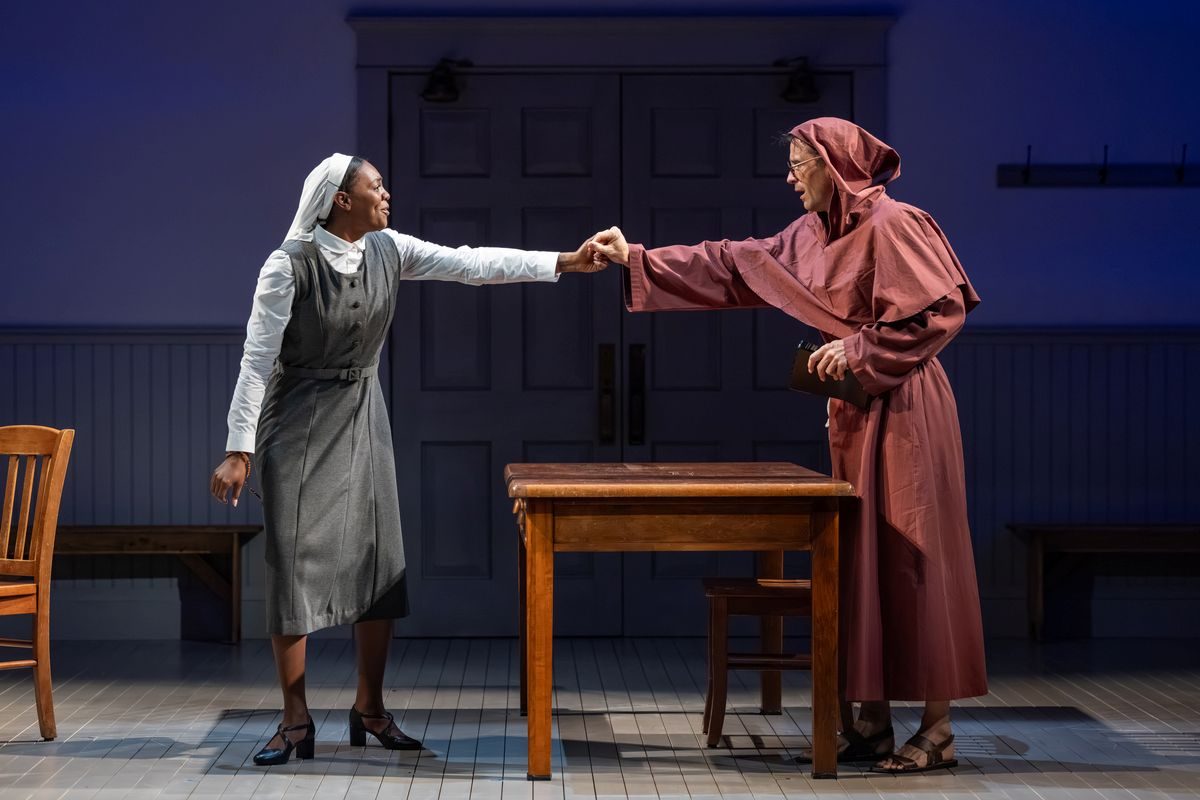
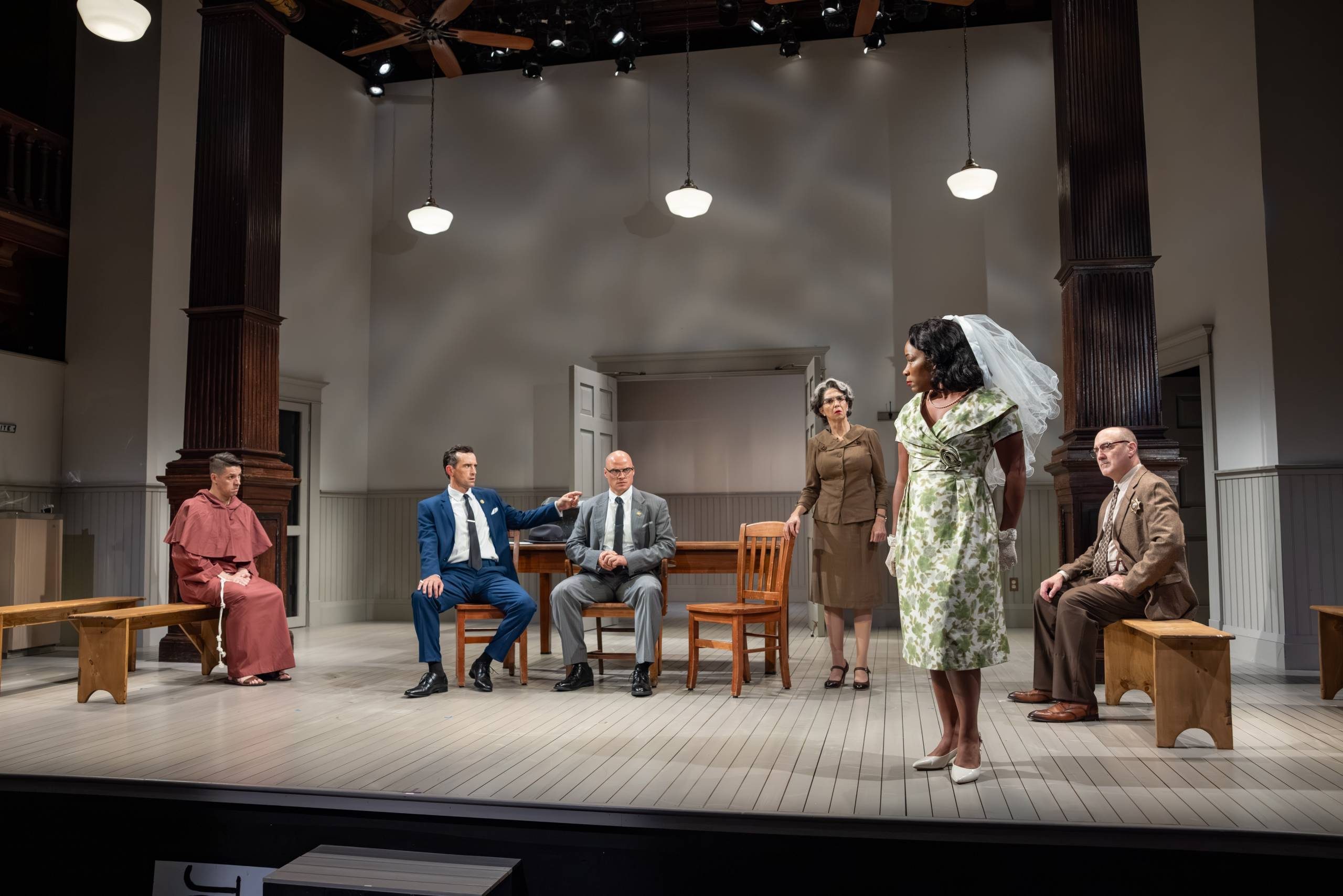
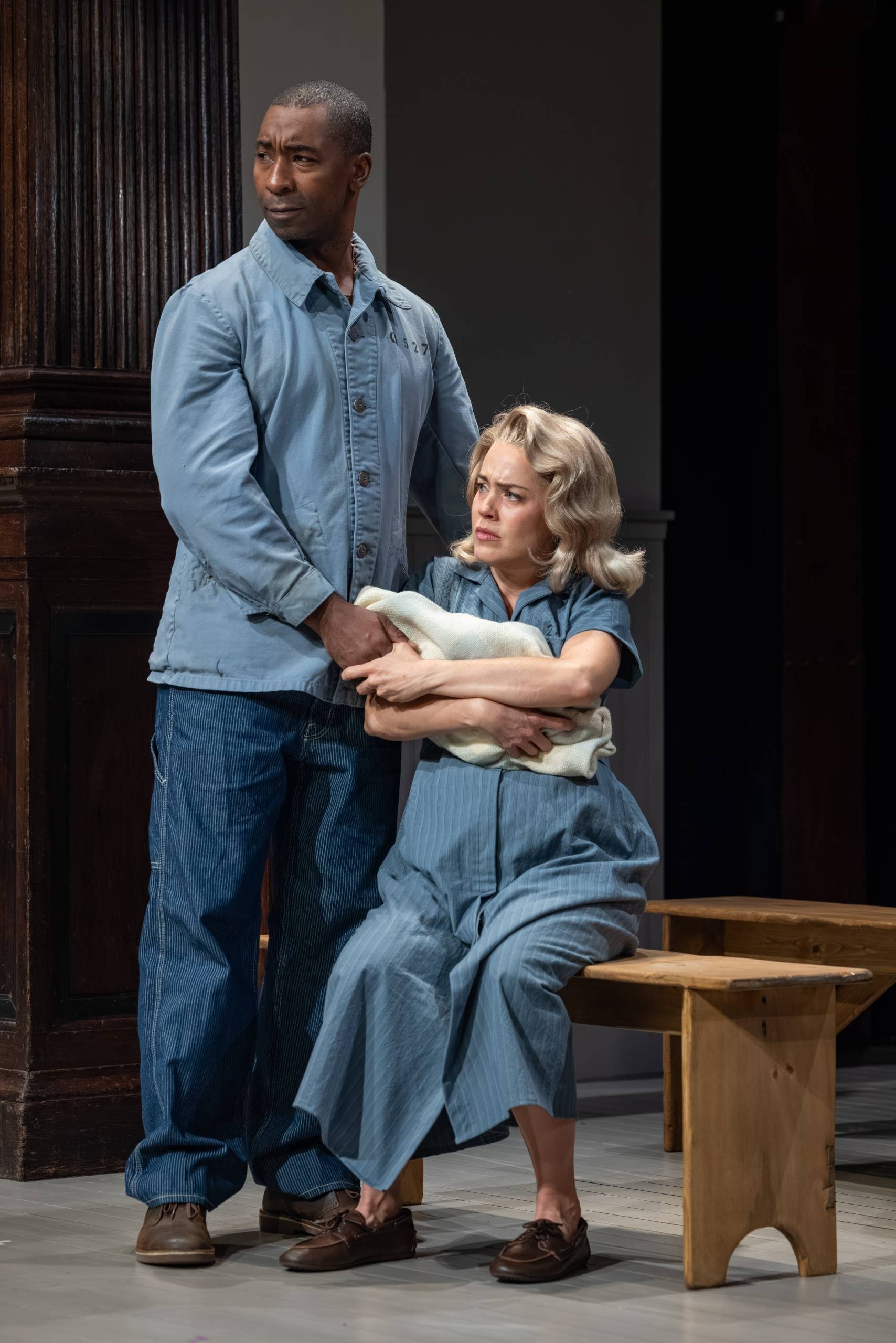
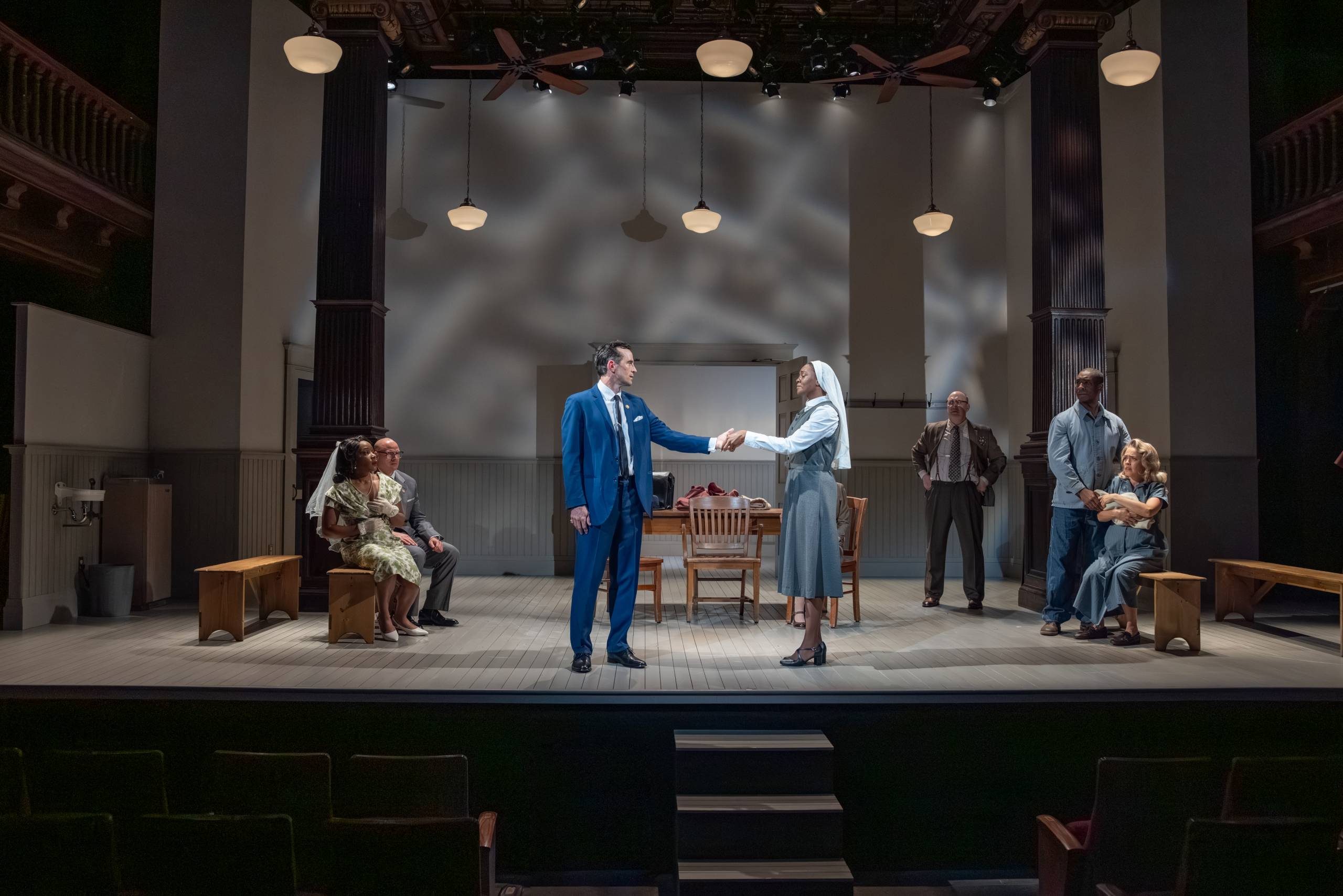
Measure for Measure | Folger Theatre
Psalm acknowledged that, while he knows Measure for Measure is considered a problem play, he said, “I don’t see what the problem is.” He went on to explain that “the piece feels very modern” in its exploration of “power, mercy, hypocrisy, sexuality,” and aligns with his desire to “investigate, celebrate, and perpetuate the Black experience in a way that is universal.” Part of that experience is, of course, “joy,” a quality Psalm and his team are rediscovering in Shakespeare’s play—reiterating that yes, we call even Shakespeare’s grim comedy a “play”—and foregrounding in their production. That exuberant spirit bursts forth from the cast in this wonderful promotional video that attempts, hilariously, to explain the play’s plot in 30 seconds. If the production’s as rich and joyful as that social media clip, I don’t see what Measure for Measure’s problem is, either.
View this post on Instagram
Folger Theatre

Measure for Measure
About the play
Read the play | explore our resources | enjoy collection galleries

Measure for Measure
Measure for Measure is among the most passionately discussed of Shakespeare’s plays. In it, a duke temporarily removes himself from governing his city-state, deputizing a member of his administration, Angelo, to enforce the laws more rigorously. Angelo chooses as his first…
Keep exploring

Famous quotes from Measure for Measure
Sometimes called a “problem play” because of its exploration of social issues, Measure for Measure raises questions that audiences continue to debate. While the play is one of Shakespeare’s less performed plays, several quotes from it are well known.

Quiz: How much do you know about Measure for Measure?
Try our quiz about Measure for Measure to explore the characters and events of Shakespeare’s remarkable play.

Dressing the Past in Measure for Measure
Costume Designer and Folger Artistic Research Fellow Mika Eubanks discusses her historical research into designing Measure for Measure costumes that capture the fashions of the 1950s in the US Southern states.
Stay connected
Enter your email address to follow this blog and receive notifications of new posts by email.