

Shakespeare Unlimited: Episode 292
Near the end of The Tempest, Prospero vows to retire from practicing the “rough magic” he has mastered, to break his magical staff and drown his spellbooks. After 14 seasons as Artistic Director of Canada’s Stratford Festival, Antoni Cimolino has chosen to direct The Tempest as part of his final season before he, too, enters retirement.
As possibly the final play Shakespeare wrote alone, The Tempest has often represented a goodbye, or at least a sea change. For Cimolino, who started his career in Stratford nearly 40 years ago, it’s a big change indeed. The documentary This Above All, premiering later this month, follows his tenure leading North America’s largest classical repertory company through a historic expansion, a pandemic, and dozens of powerful productions.
In this episode, Cimolino discusses revisiting a play, the power of forgiveness, the show that sparked his love for theater, the surprising role toaster ovens played in his early career, and the “rough magic” that makes theater possible.
From the Shakespeare Unlimited podcast. Published August 11, 2026. © Folger Shakespeare Library. All rights reserved. This episode was produced by Matt Frassica. Garland Scott is the executive producer. It was edited by Gail Kern Paster. Technical support was provided by Russell Gragg in Stratford and Voice Trax West in Studio City, California. Web production was handled by Megan Fraedrich. Transcripts are edited by Leonor Fernandez. Final mixing services provided by Clean Cuts at Three Seas, Inc.
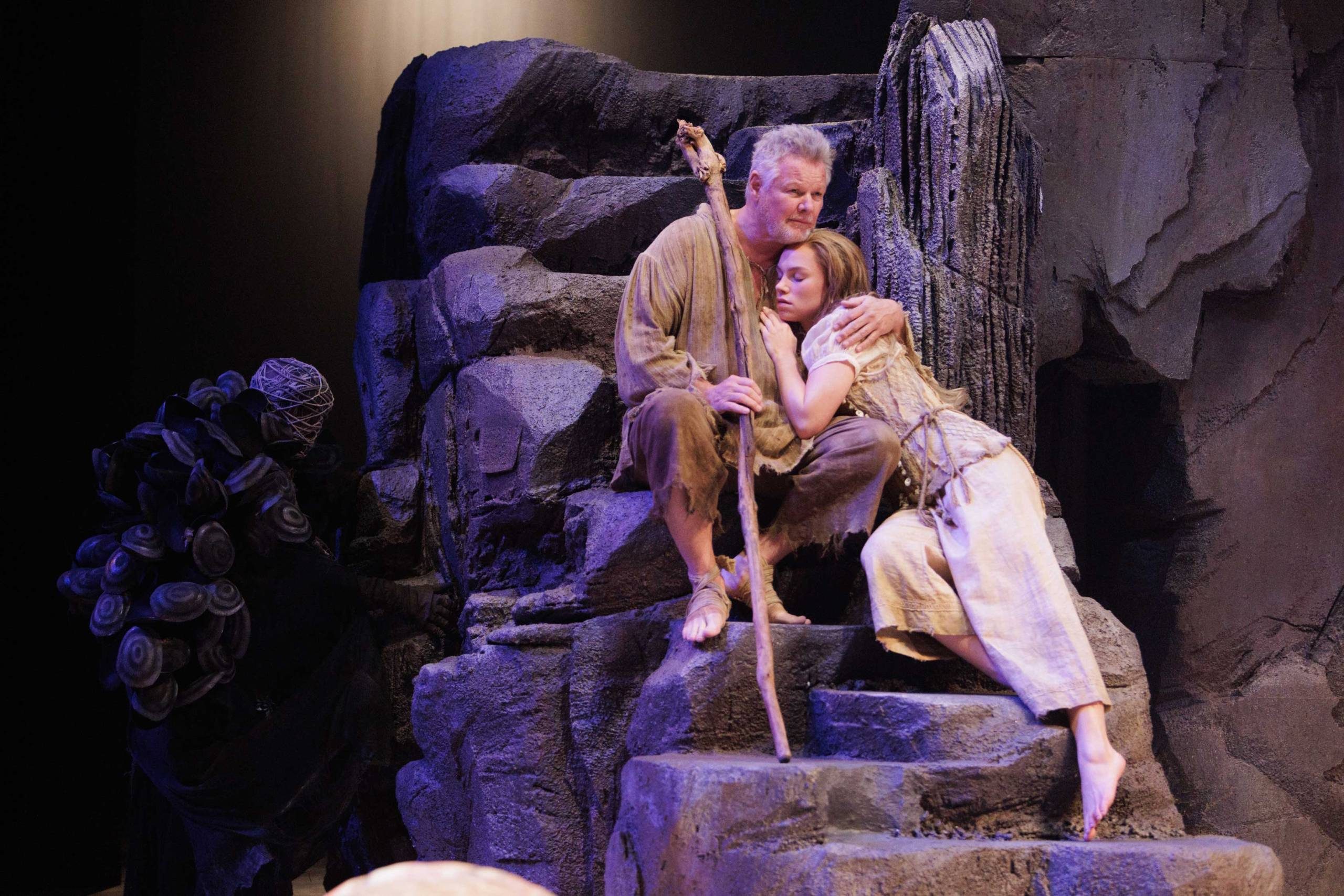

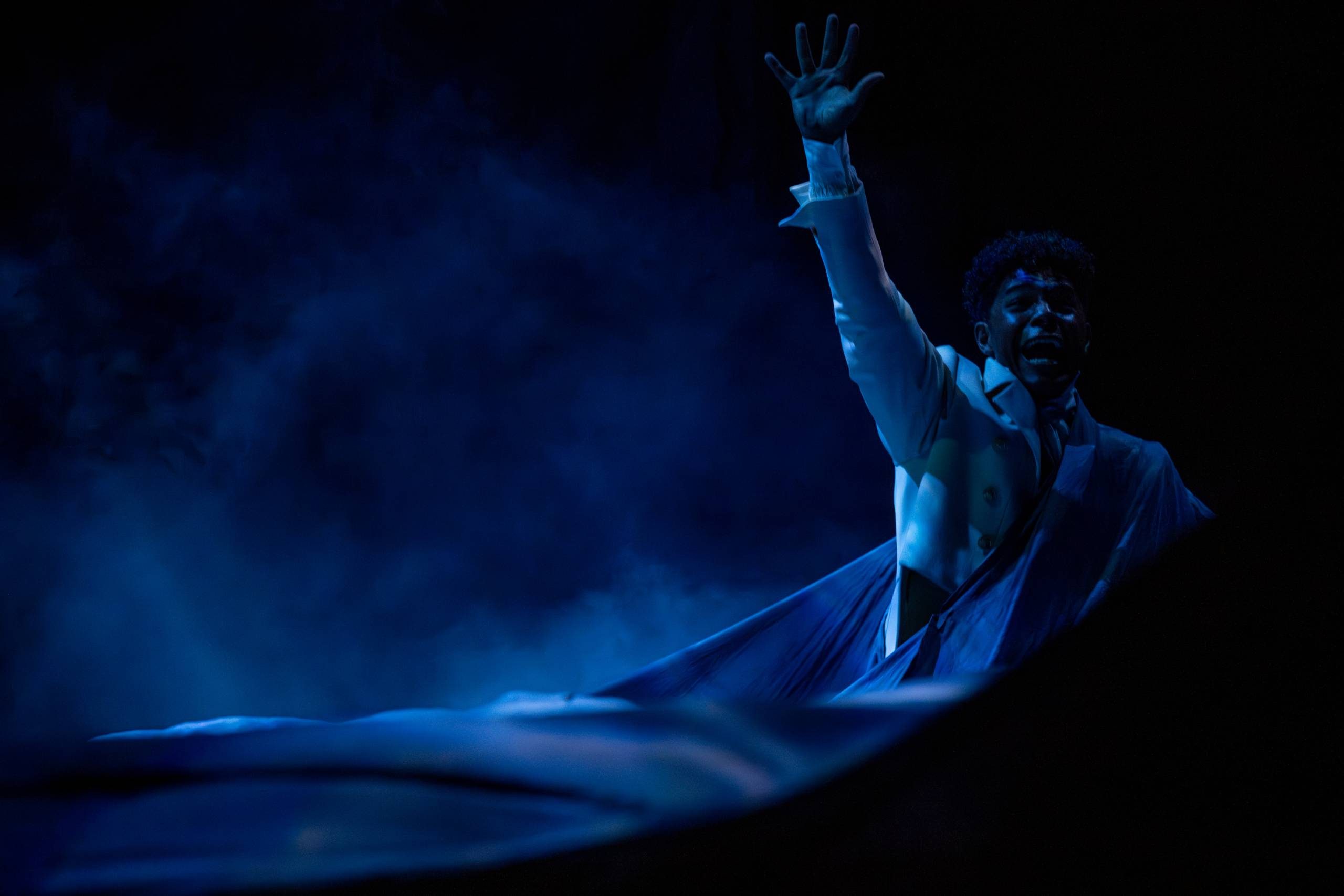

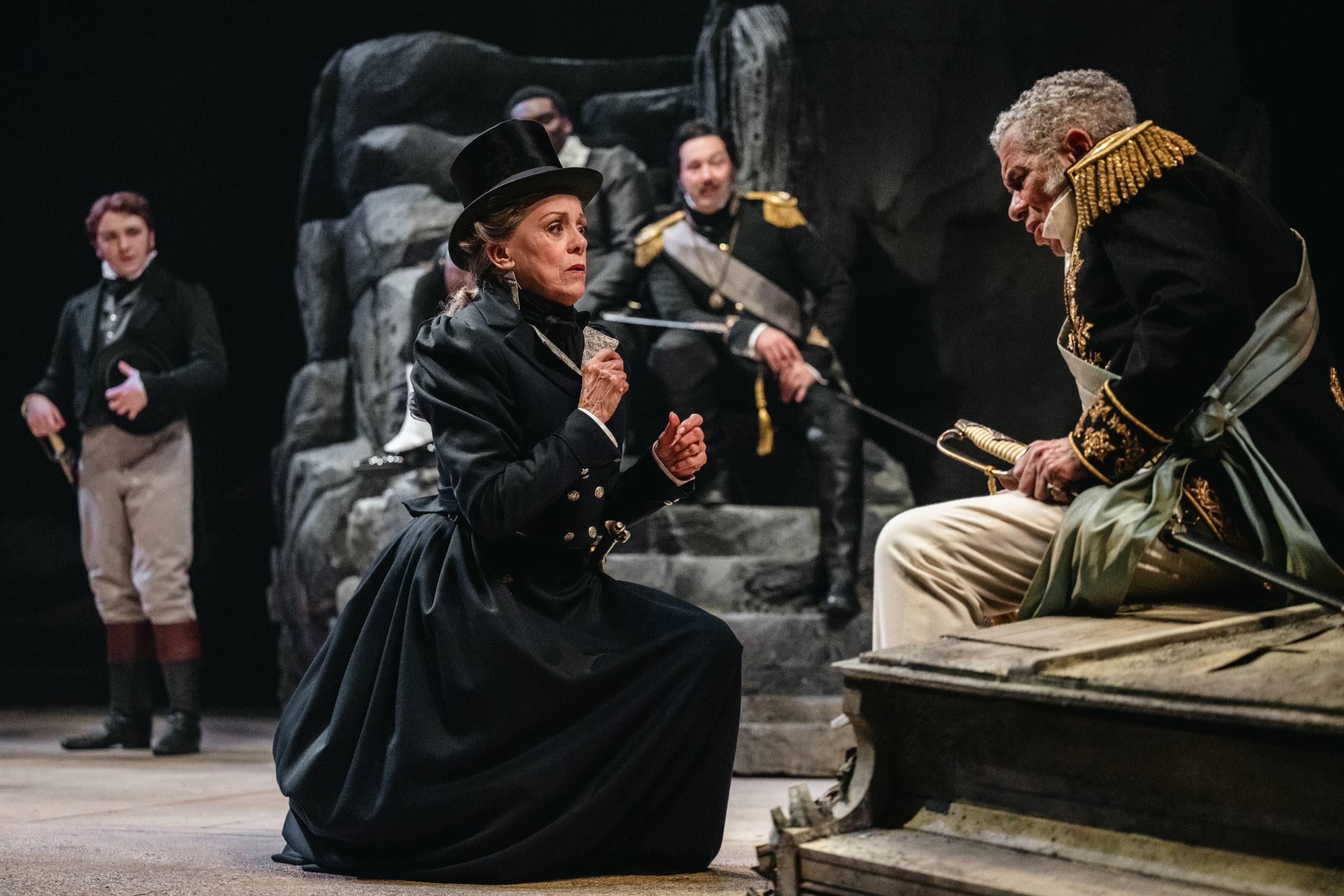
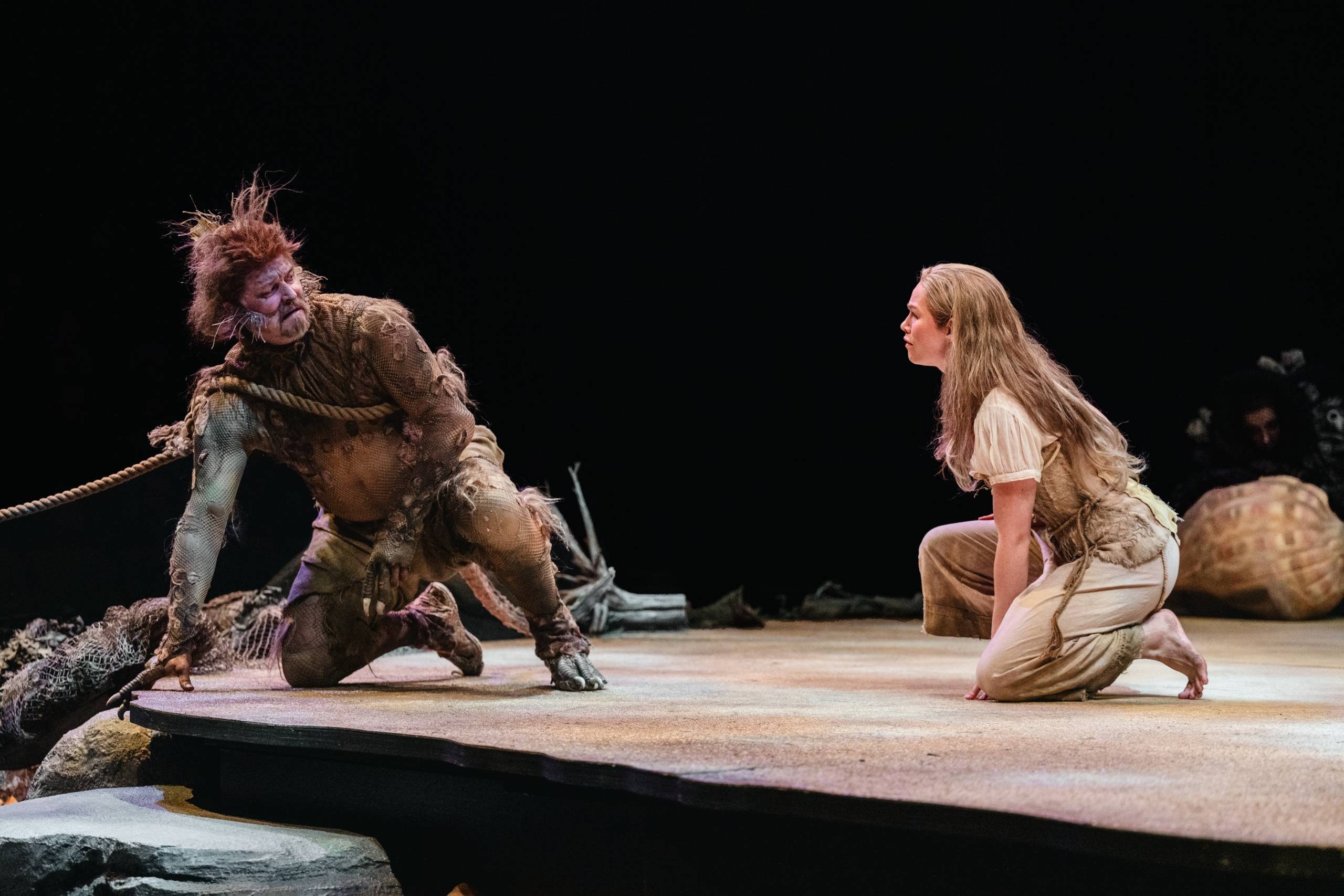
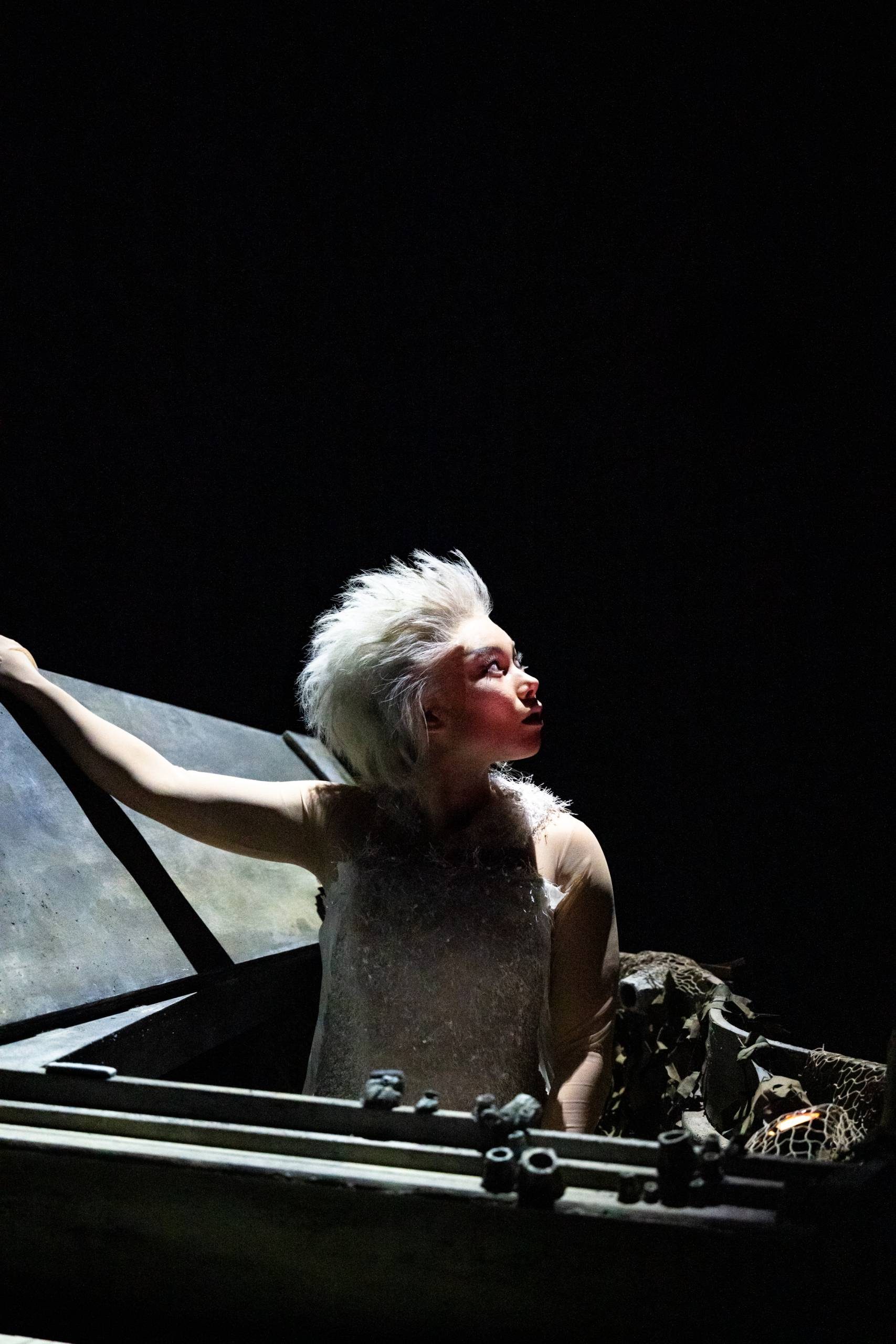
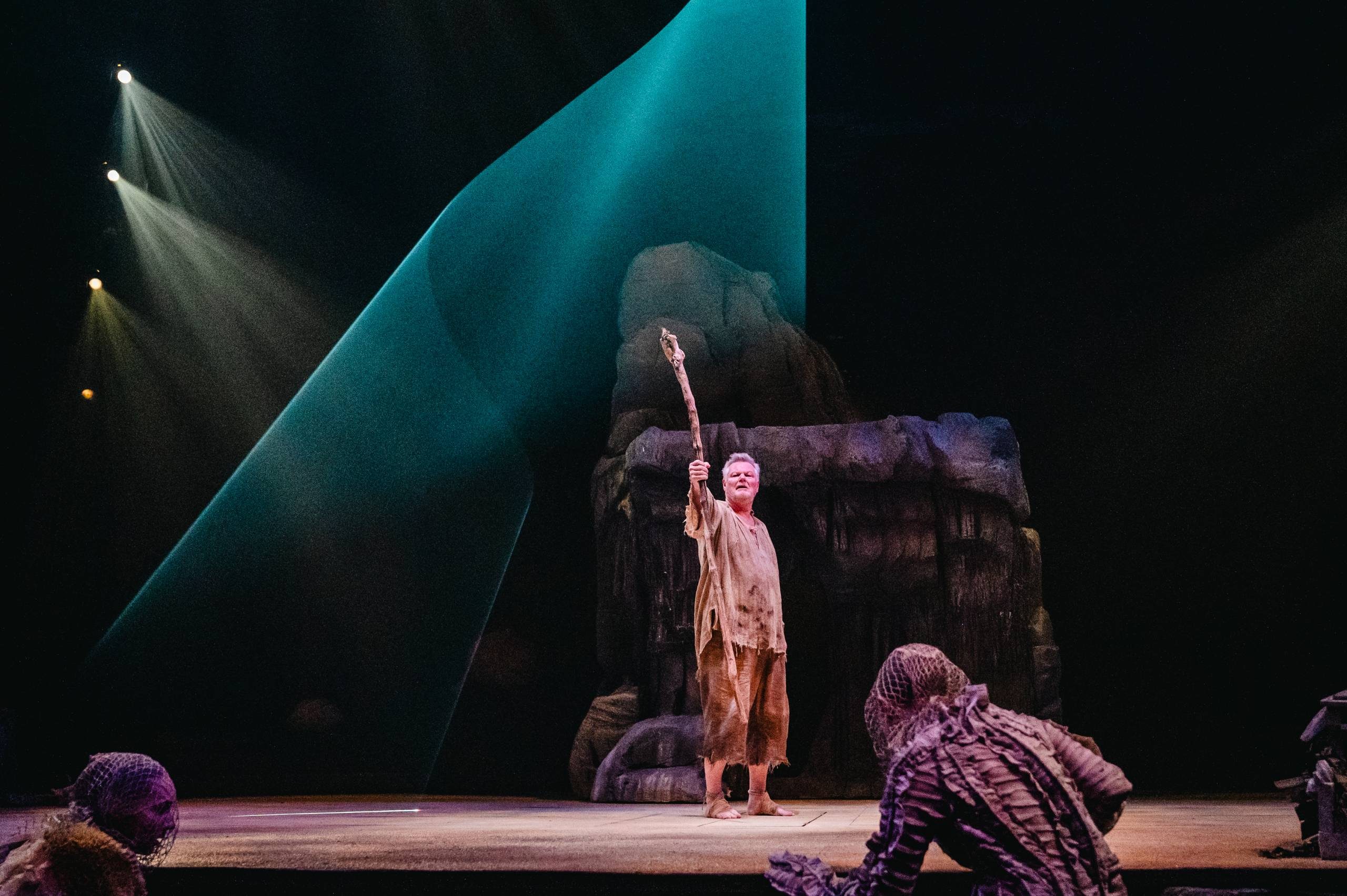
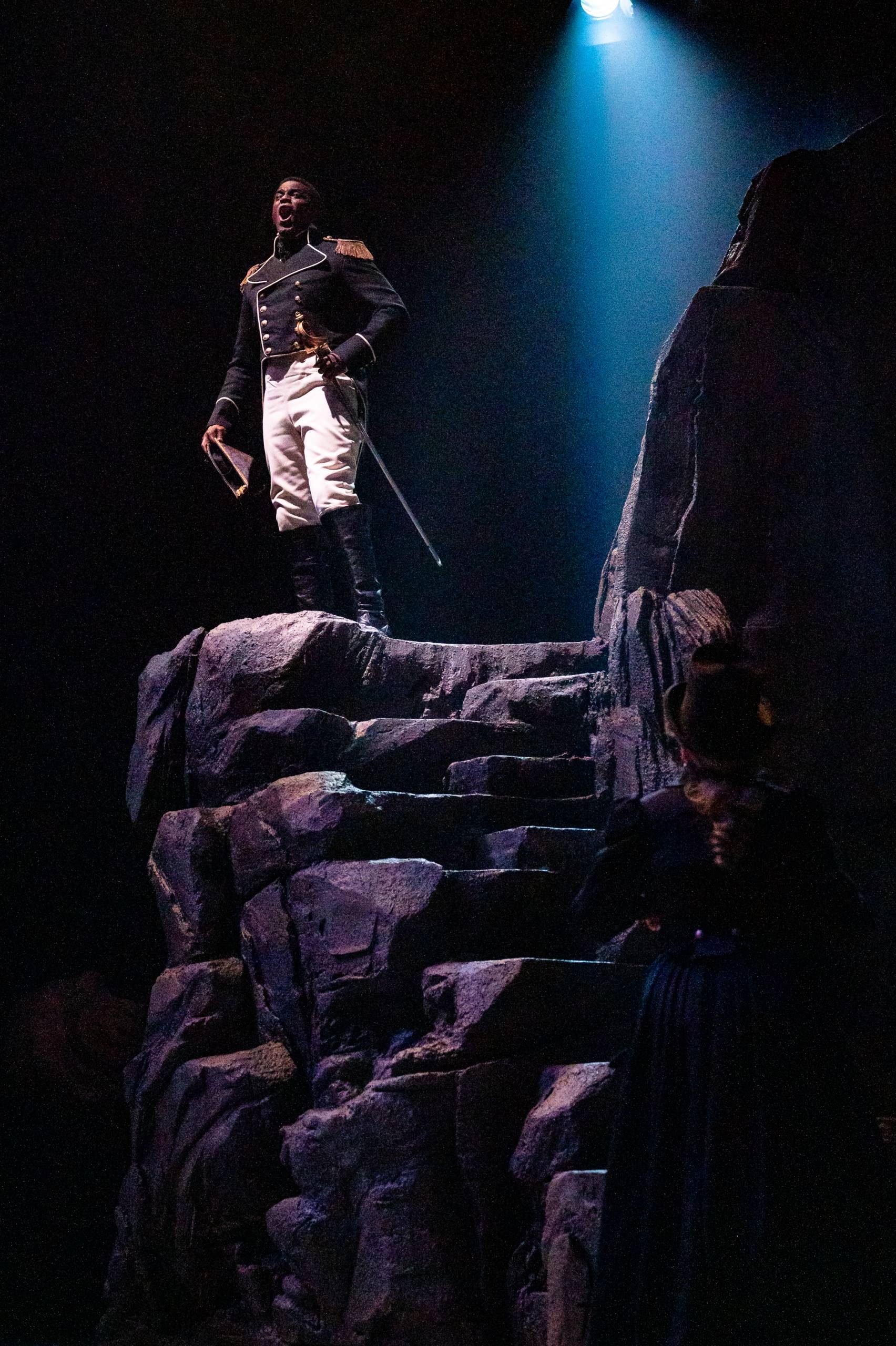


The Tempest and Behind the Scenes at the Stratford Festival
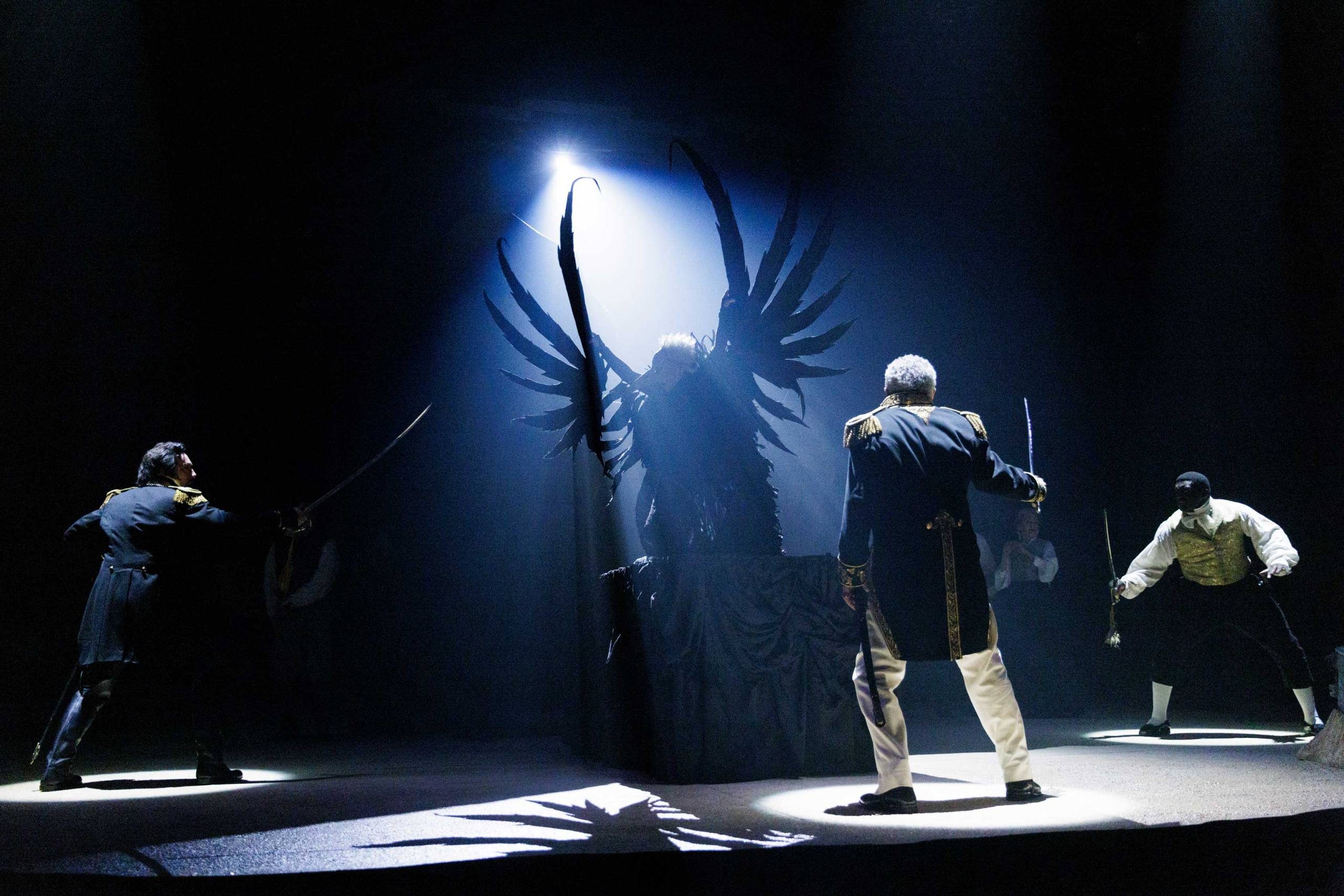
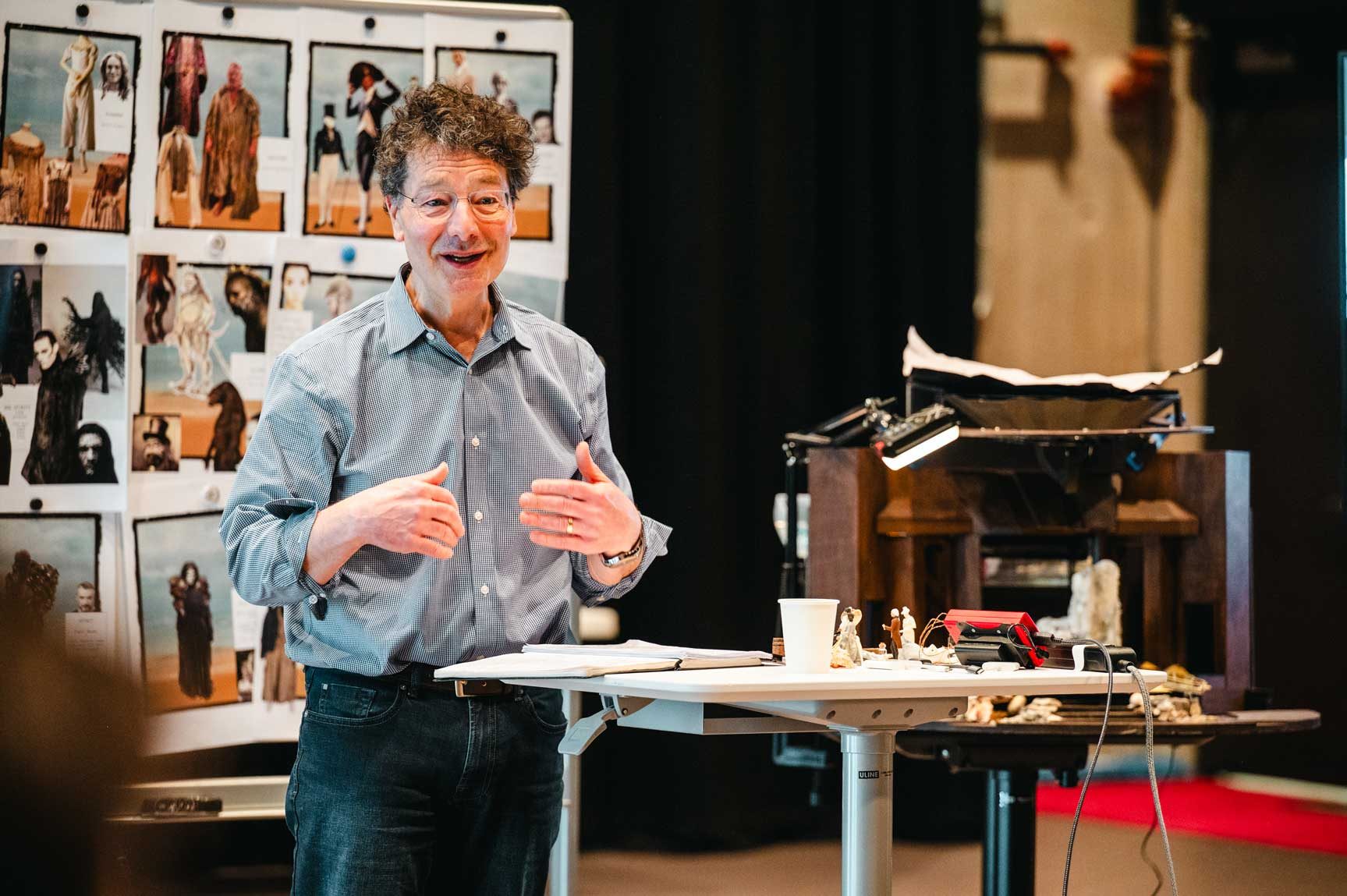
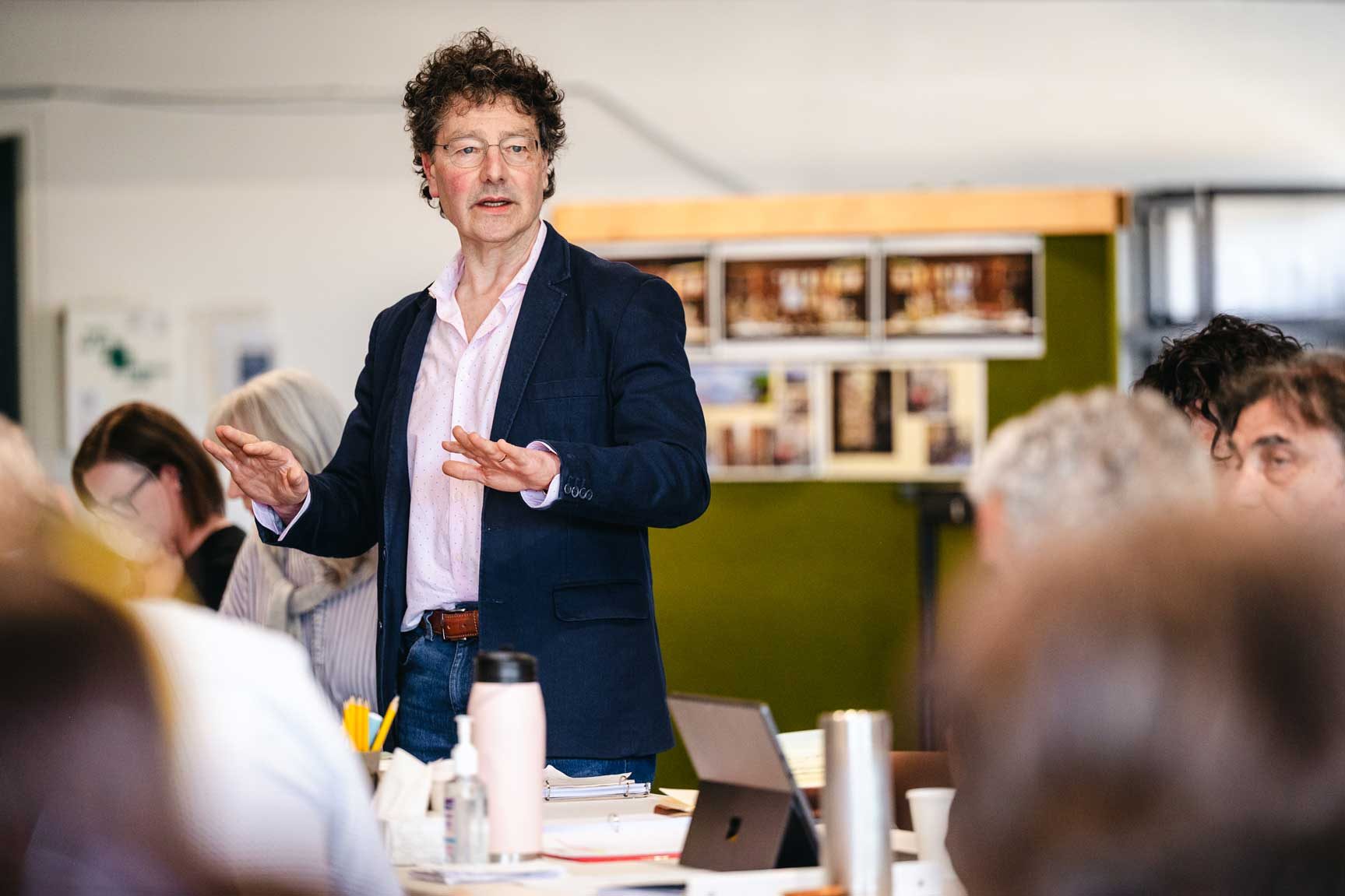
Explore this gallery for some snaps from Cimolino’s final season.

Antoni Cimolino is the Artistic Director of the Stratford Festival, a post he was named to in 2012, having served as General Director, Executive Director and General Manager, in addition to other roles.
He began at the Stratford Festival in 1988, as an actor, taking on his first directing projects in the mid-1990s. Highlights of his career include playing Romeo to Megan Follows’s Juliet; directing Richard Monette in Filumena, William Hutt in Twelfth Night, Brian Bedford in Love’s Labour’s Lost and Martha Henry in The Tempest; the creation of the multimillion-dollar Endowment Foundation; the renovation of the Avon Theatre and the creation of the Studio Theatre; and the building of the glorious new Tom Patterson Theatre.
In 2013, his first season as Artistic Director, Cimolino introduced The Meighen Forum, a season-long series of more than 150 events illuminating the themes of the playbill and illustrating their relevance in today’s world. That same season he directed The Merchant of Venice, with Tom McCamus and Scott Wentworth, and Mary Stuart, with Seana McKenna and Lucy Peacock, a production that was extended an unprecedented four times.
His recent productions include The Winter’s Tale in 2025, Dion Boucicault’s London Assurance and Eduardo de Filippo’s Grand Magic with Geraint Wyn Davies in 2023/2024, as well as Richard III and The Miser with Colm Feore in 2022; the English-language première of Birds of a Kind by Wajdi Mouawad; The Merry Wives of Windsor with Geraint Wyn Davies, Sophia Walker and Brigit Wilson; Napoli Milionaria! with Tom McCamus and Brigit Wilson; The School for Scandal with Shannon Taylor, Geraint Wyn Davies and Joseph Ziegler; Macbeth with Ian Lake and Krystin Pellerin; The Hypochondriac with Stephen Ouimette and Brigit Wilson; Hamlet and The Alchemist with Jonathan Goad; King Lear with Colm Feore (one of the top-selling Shakespeare productions in the Festival’s history); and The Beaux’ Stratagem with Colm Feore and Mike Shara.
In 2014, Cimolino and Executive Director Anita Gaffney launched Stratford Festival On Film, an ambitious project to capture all of Shakespeare’s plays. The productions from this ongoing initiative, along with films of some non-Shakespeare productions and original digital content are part of a massive catalogue of arts programming available on the Festival’s subscription streaming platform, Stratfest@Home.
In 2018, Cimolino and Gaffney launched a $100-million campaign to build a new Tom Patterson Theatre. The campaign exceeded its goal and the new theatre opened in May 2022, winning a number of architectural awards, including the Governor General’s Medal in Architecture, the global MasterPrize Award, the UK Civic Trust Award and the Design Excellence Award from the Ontario Association of Architects, as well as the OAA’s People’s Choice Award.
Cimolino, now in his 39th season at the Festival, is the director of the 2026 production of The Tempest at the Festival Theatre and Saturday, Sunday, Monday at the Avon Theatre.
Related

Stephen Marche on How Shakespeare Changed Everything
Even 400 years after his death, William Shakespeare’s influence is profound. But is it right to say that he changed everything? That’s the assertion Stephen Marche makes in his book, How Shakespeare Changed Everything.

Prospero's epilogue as Shakespeare's farewell? Excerpt - 'This is Shakespeare' by Emma Smith
In this excerpt from her new book, This is Shakespeare (published Mar 31 in the United States), Emma Smith probes the biographical interpretations that readers have layered over Shakespeare’s plays, particularly The Tempest, and how that shapes what we think.

10 acclaimed directors on Shakespeare and their work
A few of favorite quotes from some of the directors we’ve had on the Folger’s Shakespeare Unlimited podcast since 2014.
Transcript
FARAH KARIM-COOPER: From the Folger Shakespeare Library, this is Shakespeare Unlimited. I’m Farah Karim-Cooper, the Folger director.
[Music fades]
The small city of Stratford, Ontario, lies on the Avon River, about two hours from Toronto.
It’s home to the Stratford Festival, the largest classical repertory company in North America.
Each year, from early spring to late fall, the Stratford Festival puts on about a dozen plays. Contemporary and classical, musical and drama—and always some Shakespeare.
Since 2012, Antoni Cimolino has led the Festival as Artistic Director. That’s 14 seasons—a long tenure for someone in that kind of job.
Not only that, but Cimolino has spent almost his entire career in Stratford, having got his start there as an actor in the late 1980s.
In Canada, the Stratford Festival is seen as a national treasure, and Cimolino’s departure has been big news.
He’s even the subject of a documentary coming out there later this month, titled This Above All.
For his final season at the Festival, before he drowns his own books, Cimolino is directing The Tempest, as well as the play Saturday, Sunday, Monday by Eduardo de Filippo.
Here is Antoni Cimolino, in conversation with Barbara Bogaev.
——————-
BARBARA BOGAEV: Well, Antoni, welcome. And what a run you’ve had.
ANTONI CIMOLINO: Yeah, it’s been 14 years, and they went by very, very quickly. Of course, there was a little bit of a pandemic in the middle of it—
BOGAEV: Little bit.
CIMOLINO: —which made things less than pleasurable for a while. But ultimately, I’m very proud of what we’ve been able to do here.
BOGAEV: And we’ll get to that. But I want to talk about the production that you chose to direct for your final season, The Tempest. You directed it back in 2018. So, why The Tempest again? And do you have a different perspective on it than you had eight years ago?
CIMOLINO: Yeah. As I was planning the 2026 season over the last couple of years, I kept on thinking about the fact that we are so divided—that there’s such anger across the board, it feels, in our societies.
The great thing about The Tempest is it is a play about reconciliation, about getting over differences, and true forgiveness, and so that became much more important for me this time round than the last time I did it.
When I last did it, I did it with the great and wonderful Martha Henry, one of the finest Shakespeare actors in the world, and I really focused on the idea of Prospero as a version of Queen Elizabeth isolated by the men around her.
This time, it was the anger that is there at the beginning of the play in Prospero’s mind: the desire for revenge. This revenge tragedy that eventually turns in another direction surprises us by not having everybody ground up and murdered at the end.
What he’s asking for is that we find a way through to releasing ourselves, finding the liberty that keeps on coming up in this play, not through control and power, but through release and forgiveness.
And so, I was surprised at how the darker the beginning of the play is, the lighter the end of it is.
BOGAEV: And I was also thinking, obviously, it’s all about leaving behind your… That “what’s past is prologue.” That Prospero drowns his books, and he breaks his magic staff, and he leaves behind his art, and also, his anger and desire for revenge on the brother that stole his birthright from him. So, you have a lot of personal investment in this journey that he takes in this play.
CIMOLINO: Yeah. You know, and the word “personal” is a really good one that you’ve chosen because my reading of the play in this production is a very personal one.
First of all, I am, too, having to release, you know. So that “every third thought shall be my grave” going forward, as Prospero says. But also, the reading of the play, we’ve had predominantly one reading of this play since about the Second World War, which has to do of course with colonialism, and that’s embedded in the play. It’s there. The play was written at a time of the first stock markets, the creation of companies to exploit the New World. It quotes Montaigne, you know, “Of the Cannibals.” So, that’s totally there, but it isn’t the only thing that’s there.
The play also, of course, has religious, political, psychological perspectives, and it is also a personal play. His last solely authored play is a play about release, about stopping the doing of what you’re doing—in his case, the creation of art. And for Prospero, it’s the end of his magic, which he calls his art.
BOGAEV: I’m curious, can we talk about you as a director here? Because you know this play obviously so well. You’ve been the Artistic Director for 14 years. You were directing before that. So, when you return to a play that you know so well, where do you start? What do you do?
CIMOLINO: I think we change as people, right, as the years go on, so even in the eight years since I last directed it, I was experiencing different things.
In this case, I was going to stop being involved with the theater where I’ve been at for 39 years. It’s a life change, and so I looked at it very much through that lens. Eight years from now, I probably would look at it in a different lens as well.
So, I kept on rereading the text. And I also spoke to a friend, Stephen Marche, who’s a writer, and we talked about, you know, what was in the text, and I went through all sorts of different notions.
You know, for a while there, I felt like—the play is so much about human creation and how we come to loathe the very things that we create—so, you know, I thought about, “Well, is Ariel really artificial intelligence?” I mean, this play is famously considered the first science fiction piece, right? So, Forbidden Planet and all that. Frankenstein is in many ways the child of Caliban and The Tempest. But I quickly, like within two weeks, got very tired of the idea of Ariel as AI, because I felt like it was too old minutes after I thought about it.
BOGAEV: That is the danger, right? I can just see the review.
Okay, the actual shipwreck, I’ve got to say, that begins the play is just a spectacular staging. It’s really magical yet realistic at the same time. The ship is there. The sail falls down and creates the ocean, and the actors seem to be tossed on waves and underwater as well. So, tell me about creating the storm, first of all, as the director, and how you, I assume, worked with a choreographer to rehearse that.
CIMOLINO: Yes, a brilliant one. Adrienne Gould did the choreography for it.
And let me just proceed by saying the Stratford Festival, of course, has a thrust stage. It was the first thrust stage since Shakespeare’s time, so it predates the Globe and all those other places. It was created in 1953 because Tyrone Guthrie and a series of artists wanted to recreate the very kind of stage that Shakespeare wrote his plays for, because they felt that a proscenium arch stage, a stage in which a picture box would create images, that was antithetical to the intentions of Shakespeare.
In other words, when he writes, “Ill met by moonlight, proud Titania,” we have so much information in that line, and to actually create, you know, the phases of the moon and everything else in a picture box would be somehow to undermine the very use of the imagination that Shakespeare is trying to get us to do in his writing.
So, they wanted to create a stage in which the actor and the text is there in the heart of the audience. That poses certain challenges for a director because when you’re in a picture box stage, a proscenium arch stage, you’re really dealing more than anything in two dimensions: left, right, up and down. And you can control sight lines. You can create all sorts of magic in the box.
In a thrust stage, we’re all in one room, which means a noisy light over your head makes a noisy experience for everybody, that we’re all sharing pretty much the same temperature, and it means that the staging of what you’re seeing in the middle of the stage, it makes trickery a lot harder.
BOGAEV: Yes, because you can see it from all sides.
CIMOLINO: Right.
BOGAEV: And just to be clear, a thrust stage, it’s a long stage that extends into the audience. And the audience is—or surrounds it.
CIMOLINO: Yes. In this case, in the Stratford Festival, we created a Greek amphitheater, and it’s got a modern interpretation of Shakespeare’s stage in the middle, and it has Roman vomitoria that come up, so it can, you know, literally do what they sound like: spew up people, and action, and surprises.
So, I was fortunate that we had a designer in Julie Fox who gave me lots of things to play with, like ships’ ladders that go up, a large sail—I had a vision of a sail that would feel like a storm cloud—so, rather than trying to be like a ship’s sail only, that it serves as a metaphor for the explosive energy of the storm.
It came up in the dark, and I had this vision of it being like two inches from our faces—that in the dark, we feel this dark presence, this foreboding presence of this cloud in front of us, and we’re not sure what it is—and then it turns out to be part of the ship. Then the sail falls down and spreads out, and it was Adrienne Gould, our choreographer, who came up with the idea of it then becoming the ocean and people coming through it, which is brilliant.
BOGAEV: That’s funny, because the visuals are stunning, but there’s always this tension in The Tempest and in a number of Shakespeare’s plays, between the effects, the spectacle, and the text, the poetry.
CIMOLINO: Yes.
BOGAEV: And that’s hard to balance, I imagine.
CIMOLINO: It is. And it’s especially true in The Tempest. You need both, right? You need both because you need to understand what the text is saying and what the storyline and the narrative are about. And at the same time, every 20 minutes in a Shakespeare play, there’s a fight, or there’s a dance, or there’s a song, right? And usually, those songs are very important to the narrative. So, you need to get both.
And that’s especially true for The Tempest, which was written in the time of court masques, the chief form of entertainment it felt like at the royal court where that they would put on this pageantry that would, you know, enable everybody to dress up in these great outfits, and so, that’s present in The Tempest.
The play is called The Tempest, there’s a storm right off the top, so if you’ve got a damp squib of a storm, you kind of know what you’re in for the rest of the night, right? And there’s a masque in which you’ve got these Greek goddesses. But that masque, it’s also on its fundamental level a wedding present from a father to his daughter and her husband-to-be.
And so, we’ve got to get the story, and we’ve got to get the pageantry, and it is hard because especially in this play where the magic is supposed to evaporate, like, you see these goddesses and then within two seconds they’re all gone, and Prospero says, yes, “These our actors/ As I foretold you, were all spirits and/ Are melted into air, into thin air.”
BOGAEV: Just visions.
CIMOLINO: Right. So, yeah, I try not to be too worried about reconciling the two. I think that Shakespeare’s work at times is like pointillism. He wants us to see a bright red dot put beside a bright blue dot and in our minds, we create the purple that is there.
So, go for the pure color, and by having one thing next to another, the contrast is what the theatricality is about. You know, if we iron it all out and make it this kind of battleship purple-gray, there’s nothing theatrical about that, and yet modern criticism keeps on asking us to do that.
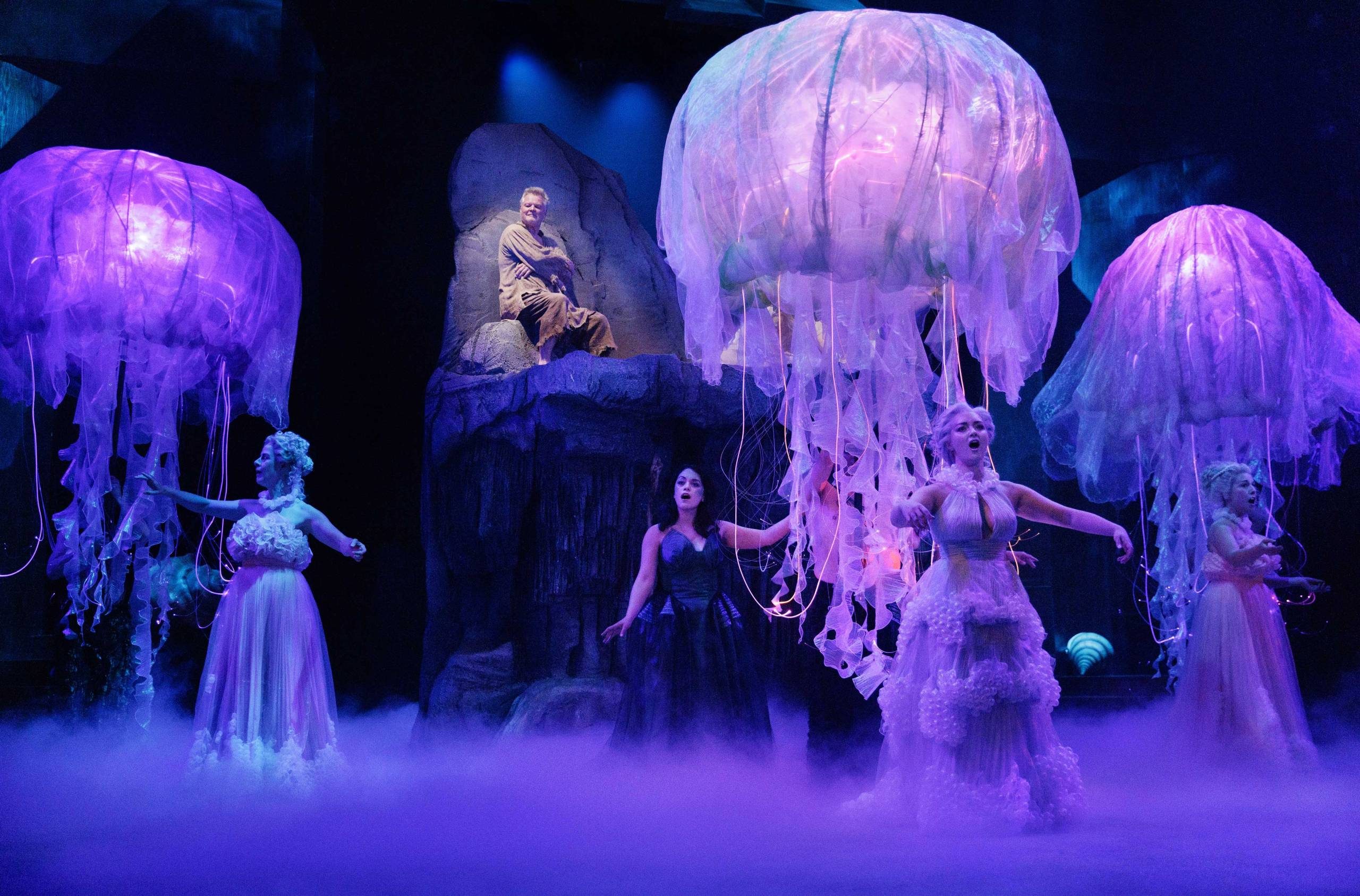
BOGAEV: I have to say, you mentioned the masque, and the masque features these truly bewitching, huge pulsating jellyfish marionettes, I guess you’d call them. They are glowing. They have long tentacles that have, I guess, LED lights in them that glow.
Because the whole masque scene is taking place underwater, and you feel in the audience the undulating waves around you, and then they disappear in the next scene. So, it really does create that effect that you’re talking about.
CIMOLINO: We wanted to really go with the idea of an island and the sea. So, one day our designer, Julie, came in with a series of seashells, and they were extra-large compared to the set model that we were looking at, and I went, “I love that. I love giant shells.”
BOGAEV: They wear them as heads. You have giant conch shell heads on the spirits.
CIMOLINO: The spirits on the island, that’s right. He talks about “ye elves” and they are very much indebted to sea creatures. So, we wanted to roll out this idea of this world of the sea and have it there for these goddesses as well.
BOGAEV: Wow. You said somewhere your favorite Shakespeare line is in The Tempest, and you said it earlier, “The rarer action is in virtue, not in vengeance.” You were talking about this time that we all live in, this very polarized moment. So, what do you learn from Shakespeare? What can we all learn from Shakespeare about hope in a divided, violent time? What leads people, what leads Prospero, and what leads us all to choose the rarer action?
CIMOLINO: Well, it’s funny he uses the word “rarer.” He doesn’t say the better action is in virtue, not in vengeance. He says the rarer action, and I guess that is true, right? It’s rare for us to see true forgiveness taking place. You know, people often ask me, Barbara, “Can you give us any inspirational quotes from Shakespeare?” And I have to break their hearts and say, “No, sorry. If you want Hallmark, he doesn’t do that.” He is constantly talking about no matter how bad things are, brace yourself because they may get worse.
And so, we have to be grateful when we actually find people behaving in a way that is not that way, in a way that is forgiving, in a way that is loving, in a way that overcomes petty differences, and so, it is the rarer action.
So, I guess what Shakespeare would say about it is that it is unusual to see that kind of forgiveness. It’s not impossible, but it’s rare. And so, we have to try to find it within ourselves: our better angels.
BOGAEV: I could talk about The Tempest all day with you. But I was thinking there are beats in Prospero’s journey to forgiveness and to ending his art and magic period. Do you see distinct phases or beats in your 14 years as the Artistic Director at Stratford that have led you to this decision that it’s time to go?
CIMOLINO: Yes. I think that in the early years of any artistic director’s tenure, there’s things they want to desperately do. They want to achieve certain things. And getting it started, it’s like a rocket getting off the ground: it’s the first few inches that probably take the most energy, and so, there were things that I hoped to create.
I wanted to create a forum where we would have discussions and get a chance for people to, you know, get to know the Festival better, and so, we created the Meighen Forum, which is over 150 events and we have incredible people talking about what these plays mean in our world today, and it’s a chance to meet the performers.
And then I also wanted to film more productions, and we not only got a chance to do that, but eventually we created our own platform, which is Stratfest@Home. And yes, this is a commercial I’m giving you now.
BOGAEV: Dot com! [Laughter]
CIMOLINO: But at Stratfest@Home, you can get a subscription and see films of all these fantastic plays.
And we created a new Tom Patterson Theatre, a beautiful new theater, which is really—
BOGAEV: Tom Patterson was the founder of the Festival, we should say. Americans listening to this won’t know the history.
CIMOLINO: Barbara, thank you, because he was an extraordinary guy who had this crazy idea of revitalizing the economy of his town by starting a Shakespeare festival and if that isn’t nuts, nothing is. But it worked. Go figure! He knew something.
We got those things done, and then the pandemic hit.
BOGAEV: I think you say—I watched a documentary about you, wonderful!—and you said, “25 million we spent preparing these plays for 2020, and a new theater and for the gala opening of it, and then COVID.” I can’t even imagine what a gut punch that must have been for you.
CIMOLINO: Yeah, it was a perfect storm because in a theater that does one play and then a few months later does another play, those theaters lost a play or two, and then they could regroup.
We were putting together 15 plays. So, we were building sets for costumes because it was March, and that’s when we were getting going, we had invested an enormous amount of money, and we had ticket revenue against that which wasn’t ours. So, we had 25 million plus in money we had expended in rehearsals, and we had, you know, 20-some million in ticket sales, which basically wasn’t ours. It was the kind of thing that could decimate any theater.
And yes, I have to admit, there was a rather large martini. The shaker was about a gallon bottle with a few olives in it and not much in the way of vermouth.
BOGAEV: Well, I’m getting tired just thinking about this because your tenure also coincides with a global racial reckoning and the rise of the Black Lives Matter movement. And then, in 2021, the discovery of the graves of First Nations children from residential schools in Canada. How did you respond to this as an institution, and how did you personally take that on?
CIMOLINO: You know, addressing historic issues of marginalization and lack of inclusion was really critical to us for many years. We’d been trying to do that work, and so, we had artists in key positions who were of color or Indigenous.
But what I discovered during those discussions was that we weren’t supporting those artists in the way that they needed to be supported. We weren’t thinking about the whole, of how we did everything from rehearsal to marketing, and what the impact would be for somebody new to the company who doesn’t consider themselves part of the majority, and what would that feel like. We realized there’s a lot of work we needed to do to be able to understand that and to address how we do what we do in every way, from our marketing through to our, you know, rehearsal process, through our hiring practices.
That was work that we undertook in that period to do our work better, to make it so that people, everybody at the Festival, can do their best work. And it’s ongoing work. It’s not over yet.
That was hard, and it was personal. And when I say it was hard work, I don’t mean it was just hard work. It was hard in the painful sense of discovering how, you know, I didn’t do a good enough job over those two decades before. I thought I was doing the right thing. I thought I was, you know, being an ally. But I didn’t do a thorough enough, a strong enough, job, and so, we really took apart every part of how we do what we do. And that, I think, was the sea change, realizing how we had come up short, and that isn’t a nice feeling, but it was a feeling we had to go through in order to do our work better.
BOGAEV: Your first play when you were a teenager was Love’s Labor’s Lost at the Stratford Festival. That’s an unusual one.
CIMOLINO: It was the first. It was the life-changing play. I loved Shakespeare at that point or at least had a begrudging respect for him.
BOGAEV: Already.
CIMOLINO: Yes. But Love’s Labor’s Lost at the Stratford Festival… I mean, it seems unlikely, right? I mean, it’s juvenilia, it’s early work, and the writing—
BOGAEV: Not all that often performed, actually.
CIMOLINO: No. There’s a word that’s used in it, “peregrinate,” to be saying something really highfalutin’ and, you know, elitist. It’s a weird little text. It’s about four young men and four young women, and the four young men have decided that because they’re going to rule the world one day—they’re kings and princes and courtiers—they’re going to lay off the booze, not party, study all the time, and not see any women.
BOGAEV: And that resonated with you?
CIMOLINO: Well, you know, I went to a Catholic boys’ school, so I knew this could not end well, right? And so, I recognized my friends on the stage: the goofball, the smart aleck, the jock. And so, I felt that somebody had anticipated my life, understood my life, but they were 400 years old, and that was strange.
I was in that room, and I was on the side of the Festival auditorium, so I was able to look out and see the rest of the audience and the stage. It’s a very conscious act of theatergoing, being in a thrust stage, because you’re watching the audience as well as you’re watching the play.
In that moment, I felt this deep connection, Barbara. I felt this connection back in time and I felt this connection in that moment with all these people, most of which were much older than I was, and we were all laughing at the same thing. And I, for the first time in my life—I was 15 or so—I realized, I began to just understand how beautiful humanity was, that they’d created this thing, and I felt connected to people in that moment, and it changed my life. I wanted to go into the theater after that.
BOGAEV: Yeah, you went home and you said to your father, “I’m not going to become a lawyer, I’m going to become an actor.”
CIMOLINO: Yeah.
BOGAEV: How’d that go over?
CIMOLINO: Just dreadfully. I mean, my dad was, you know, an Italian immigrant. He didn’t come to this country to have his son go into the arts, you know? I was supposed to go to university and become a professional, and so, I remember him looking at his hands at the kitchen table as he heard what I was saying, and he said, “Vuoi diventare artista? You want to become an artist?” And the way he said “artist,” it was like a combination of “pimp” and “car thief,” you know, it was not what he had in mind at all. But, you know, my parents are very supportive eventually. They just needed to get their head around that idea.
BOGAEV: Well, apparently, they were supportive because—there’s always one story that I read about someone I’m interviewing that is completely wrong and made up and I suspected this one was—your father tried to bribe the director of the Stratford Festival when you were about to audition for the first time?
CIMOLINO: No.
BOGAEV: No?
CIMOLINO: No. [Laughter.] No, somebody made a quip about that.
BOGAEV: I knew it!
CIMOLINO: Yes, you’re right. All right, so, as a young actor I felt like I’m watching play after play where I didn’t feel the casting was any good, and I felt—as every young actor, because young actors are a combination of monstrous ego and incredible vulnerability and insecurity—I finally thought, “You know what? I’m going to write to every artistic director in this country and say, ‘Look, you seem to be hiring people for random reasons. I want to give you a reason to hire me. I will give you a toaster oven if you hire me for a contract.”
BOGAEV: A toaster, like a bank.
CIMOLINO: Yes. Well, you know, it worked. I managed to get a number of contracts. I had to give out those toaster ovens, and it made a bit of a splash. People said, “This is outrageous.”
BOGAEV: Okay, well finally, it took you a while, but you landed the Festival in 1988. So, what do you think tipped the scale finally for you as an actor?
CIMOLINO: I was working with a director who was directing a play at the Festival, but I was working with them in Toronto. I had auditioned a number of times. The Stratford Festival has 1,200 employees, we have an acting company of 130 artists, and, you know, if you are a theater geek, if you are a theater nerd, this is your home.
I always wanted to be at the Stratford Festival, and so, eventually, after having auditioned a number of times and not getting accepted, this was the situation that tipped the scales: there was a director who wanted me in their play who also was directing at the festival, and within a year or two of that, Barbara, I was then asked to assistant direct. And at the moment, I felt, really, it was crushing because I thought, “Oh, my friends are getting bigger parts, and they’re asking me to assistant direct. What can this say?” But it was the very thing I needed, because I was probably a better director than I was an actor.
BOGAEV: What makes you more of a director than an actor?
CIMOLINO: I think I get bored very, very easily, and if you’re an actor, you have to really have this sense of focus and attention, you can immerse yourself completely in a reality, and really believe it, and really be completely absorbed in it. You’re not distracted.
BOGAEV: The “in the moment thing.” Presence.
CIMOLINO: In the moment. And I was always thinking about all sorts of other things.
BOGAEV: While you were on stage?
CIMOLINO: Yeah. One day I was playing Laertes in a production of Hamlet, and I was standing there with a sword in my hand about to begin the fight with Hamlet, and I thought to myself, “Did I return that call?”
BOGAEV: Not what Laertes would have been thinking.
CIMOLINO: No. And so, I realized, “You know what? Get off the stage.”
I love every part of directing. I love everything, from the interpretation to selecting and working with a composer, to the costumes, to the visuals, to the sounds and scents, so, it better suits my scatterbrained nature to be everywhere all at once.
BOGAEV: So, I was thinking about your theme for this last year, this rough magic, and I had ideas, but I want to hear what it means to you.
CIMOLINO: Theater is incredibly powerful. We’re hardwired to love theater. You never have to explain to a child about play acting. They do it with their friends instantly, and if you really want to upset them, stop them from doing it. It’s something we understand.
Theater was the thing the Greeks turned to in a democracy 24 centuries ago when they wanted to explore ethics, look at morality collectively with people, and they did that through theater.
Theater is very, very, very powerful, but it’s mysterious in the sense that we go to a play, we see people that we know are actors in the darkness—they’re acting parts, they’re not really those people—but there’s a part of us that begins to both believe that and also know it’s a fiction. It’s in that always knowing it’s a fiction that its great power lies because it gives it what the spin doctors call plausible deniability. “I don’t really believe this, but what if? What if? What if I did believe it?”
In that suspension of disbelief, we allow ourselves to go someplace that our judgmental selves would never allow us to go. You go with your heart, not just your head, and you go as a slightly different person than you are day to day and you might come out thinking something that you would have never thought when you went into that room to begin with.
Theater can do something that school and journalism can’t do, which is not only to change minds, but to win hearts. And in that process, there is this rough magic. Why is it rough? Because it’s inexact. It’s not prescriptive. You can’t tell people exactly what to think. You can just maybe open a little chink in their armor and say, “What if?” And by doing that, there’s a potential to really change the world.
So, what we do is really important. It’s a magic wand that doesn’t work all the time, and sometimes it maybe creates outcomes we don’t anticipate. So, as magic goes, it’s rough, but it’s still powerful.
BOGAEV: You’re in the middle of the Festival right now. So, have you even had any time to think about what comes next?
CIMOLINO: No, and Barbara, to be honest with you, I think I’ve been in denial. I had thought I would leave this position two years ago, and I extended it because the pandemic made me worried about the health of the Festival, so I stayed on.
Now I feel like—our attendance is above pre-pandemic levels, and I’ve had time to adjust to this— there’s no excuse for me. What I realize is I want a big gap year. I just want to stop and not do what I’ve been doing. I want to spend time with my family, with my kids. I have a daughter in Taiwan; she’s been there for a number of years. I have a son who’s just had a little girl in Halifax. I want to spend time with both of them. I want to spend time with my wife.
You know, I was a workaholic, and I want to now be a person who experiences all the things I didn’t do before. You know, they say, in some ways, that theater is a rehearsal for life. Well, if that’s the case, part of me just wants to know what happens when you stop rehearsing. What happens if my life starts getting an opening night?
BOGAEV: Well, I can’t wait for your opening night. I can’t wait to see what happens next. Thank you so much. It’s such a pleasure. The Festival was a pleasure and talking with you today, too. Thank you.
CIMOLINO: Thank you, Barbara.
——————-
KARIM-COOPER: That was Antoni Cimolino, interviewed by Barbara Bogaev.
Antoni’s productions of The Tempest and Saturday, Sunday, Monday by Eduardo de Filippo both run at the Stratford Festival until October 24th. You can find tickets and more information at stratfordfestival.ca.
This episode was produced by Matt Frassica. Garland Scott is the executive producer. It was edited by Gail Kern Paster. We had technical help from Russell Gragg in Stratford, Ontario, and Voice Trax West in Studio City, California. Our web producer is Megan Fraedrich. Leonor Fernandez edits our transcripts. Final mixing services provided by Clean Cuts at Three Seas, Inc.
If you’re a fan of Shakespeare Unlimited, please leave us a review on your favorite podcast app. It really helps others find the show.
Shakespeare Unlimited comes to you from the Folger Shakespeare Library. Home to the world’s largest Shakespeare collection, the Folger is dedicated to advancing knowledge and the arts.
If you’re in Washington, DC, come visit the Folger on Capitol Hill. Come face to face with a Shakespeare First Folio in our exhibition halls or take in a play in our theater or enjoy our Quill & Crumb café. We’d love to see you. For more information visit our website, folger.edu
Until next time, thanks for listening!