


Shakespeare Unlimited: Episode 296
Long before his iconic portrayal of Logan Roy in Succession, Brian Cox trod the boards as a Shakespearean actor.
For over 50 years, Cox has made his mark on both stage and screen, collecting Olivier Awards, a Primetime Emmy, a Golden Globe, and countless other accolades. He’s best known for roles in Super Troopers, The Bourne Identity, Braveheart, Rushmore, and, of course, Succession, but he’s also played Orlando in As You Like It, Petruchio in The Taming of the Shrew, Titus in Titus Andronicus, and the title role in King Lear at age 44.
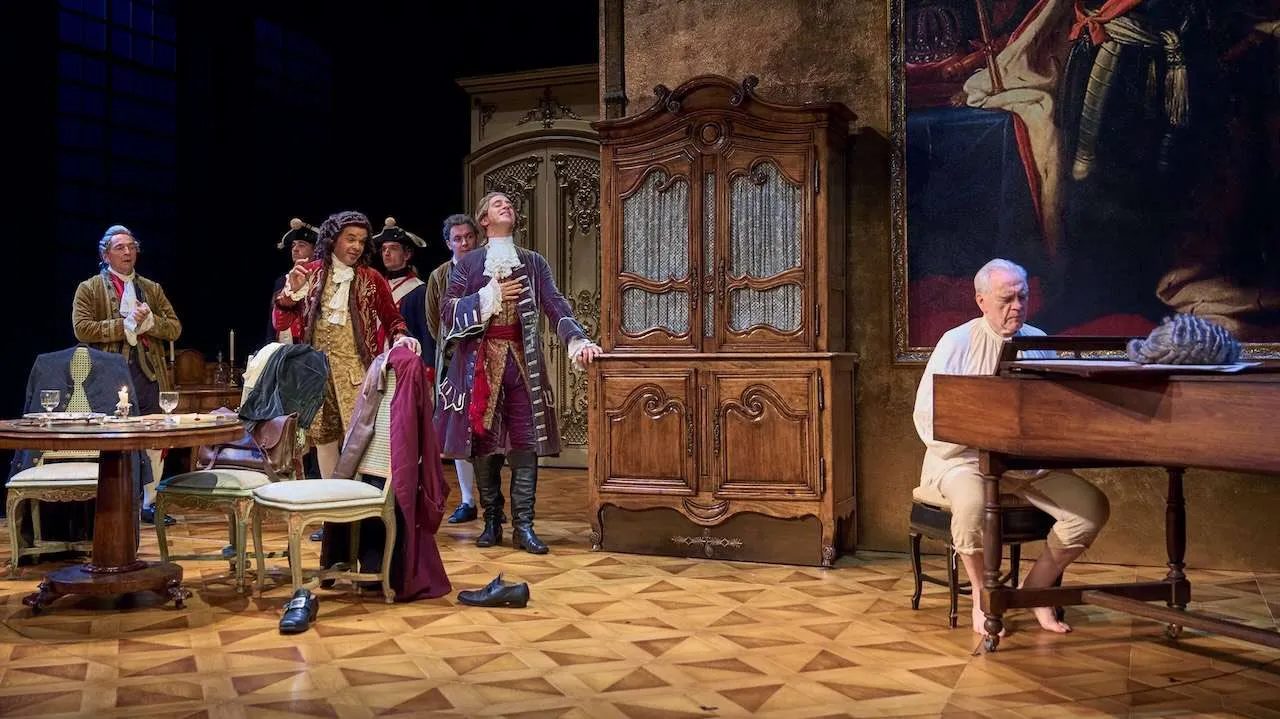
Cox is currently in Washington, DC, to portray Johann Sebastian Bach in the Shakespeare Theatre Company’s production of The Score, following performances in London’s West End and at Theatre Royal Bath. His real-life wife, Nicole Ansari-Cox, plays the powerhouse role of Anna Magdalena Bach. An internationally acclaimed actor who began her career in Germany, Ansari-Cox has acted on Broadway, the West End, the Public Theatre Vienna, and the Thèâtre du Soleil in Paris as well as on film and television.
In this episode, they discuss portraying the Bachs, revisiting Lear, finding the “flow” of a scene, and why Logan Roy is “one of the most misunderstood characters in drama.”
From the Shakespeare Unlimited podcast. Published October 6, 2026. © Folger Shakespeare Library. All rights reserved. This episode was produced by Matt Frassica. Garland Scott is the executive producer. It was edited by Gail Kern Paster. Technical support was provided by Voice Trax West in Studio City, California. Web production was handled by Megan Fraedrich. Transcripts are edited by Leonor Fernandez. Final mixing services provided by Clean Cuts at Three Seas, Inc.
Brian Cox and Nicole Ansari-Cox On Stage and Screen
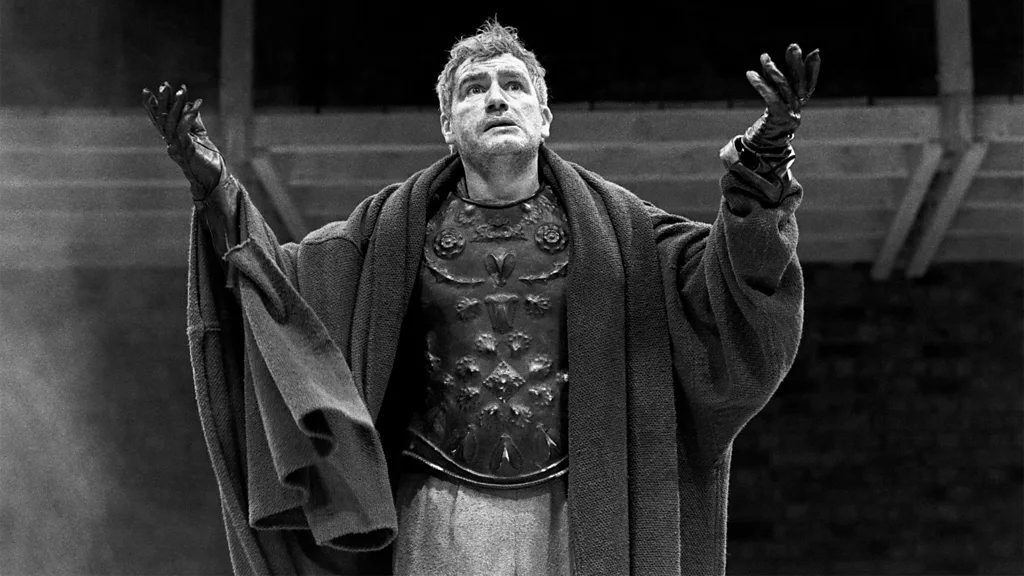

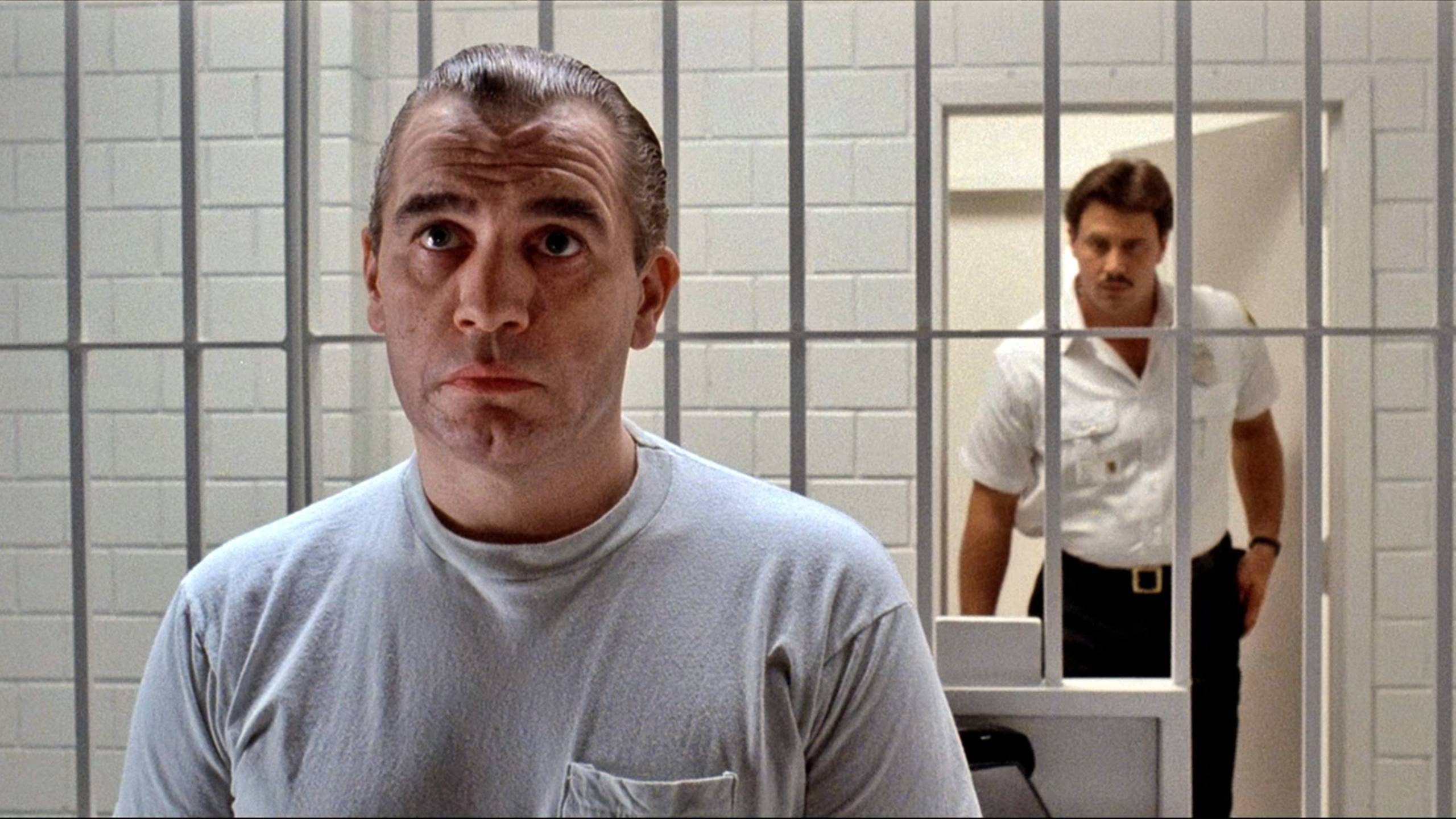
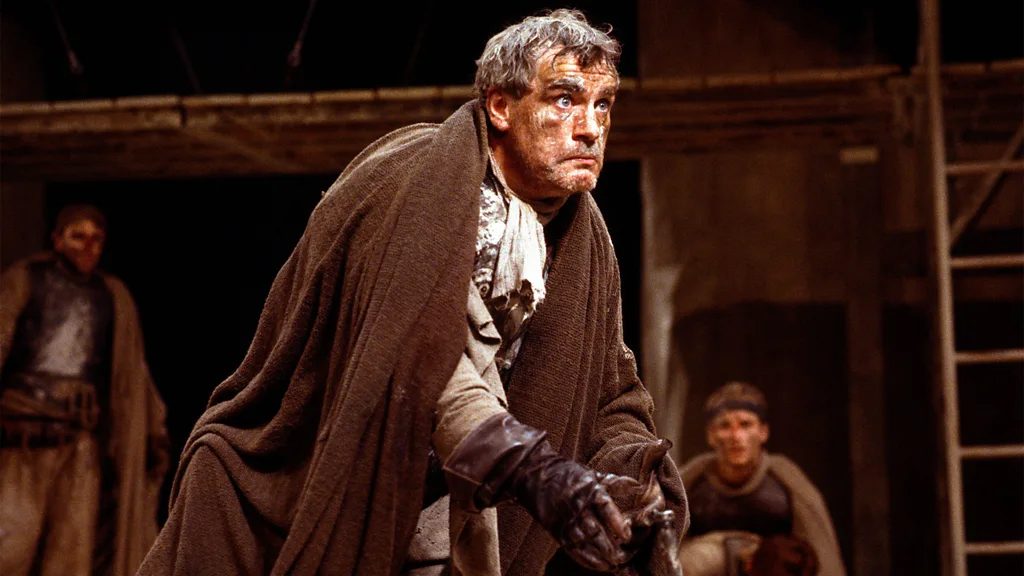
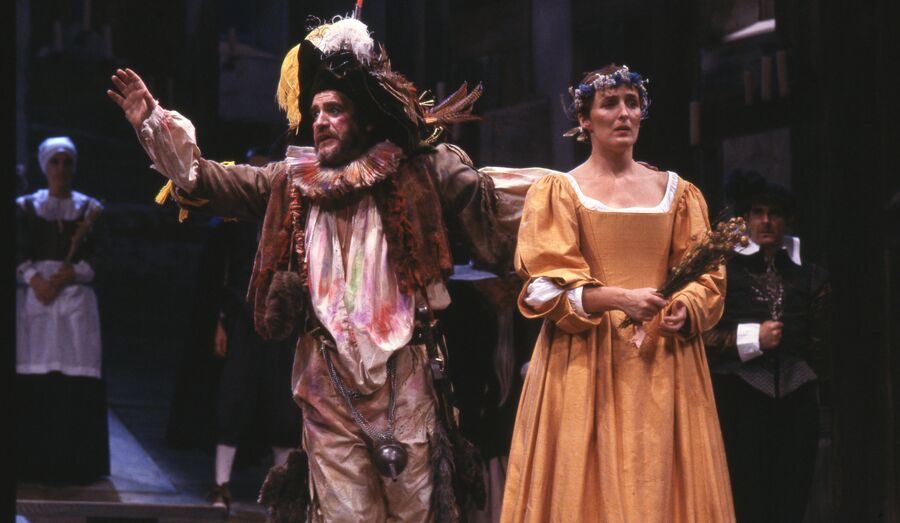
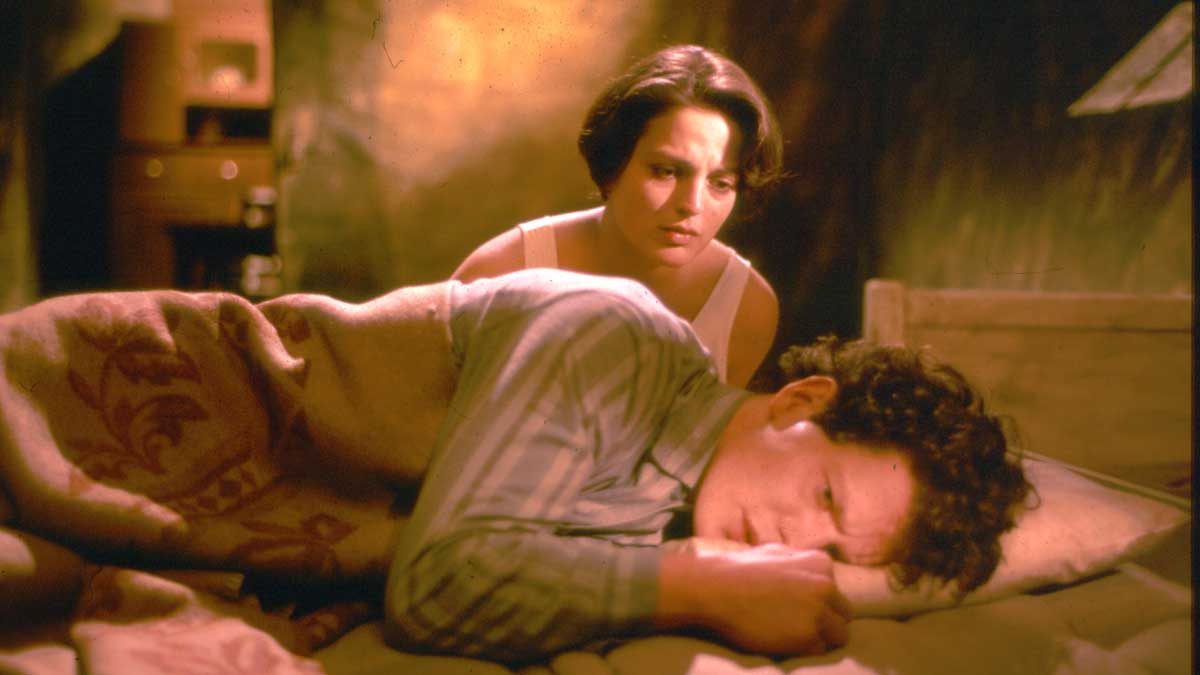
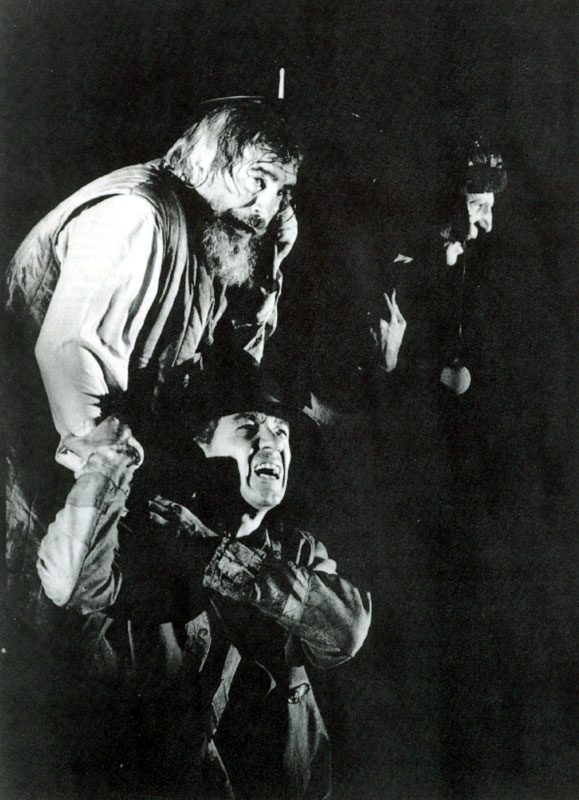
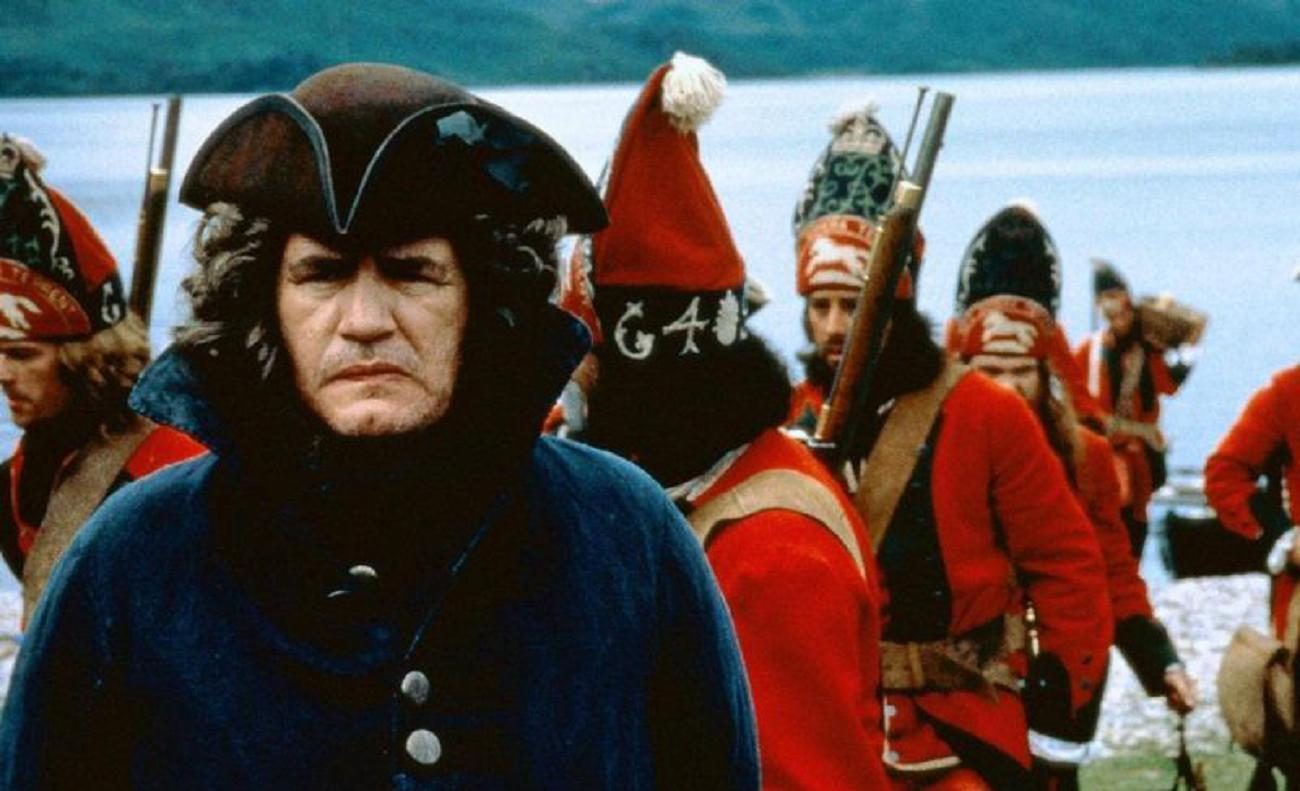
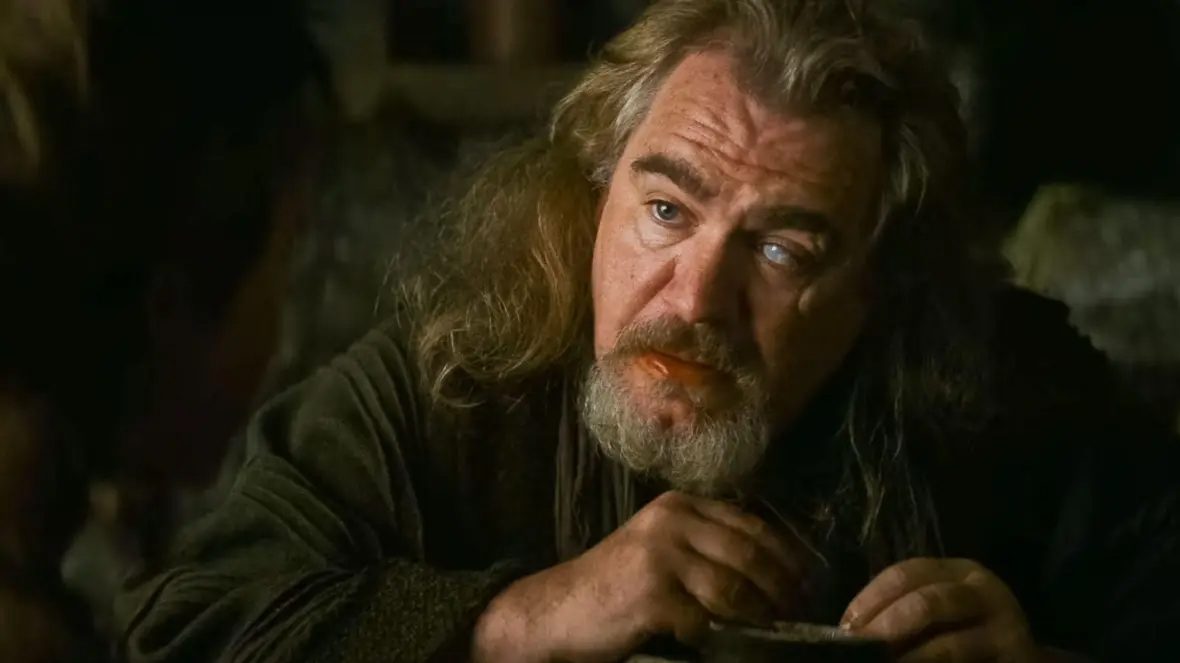
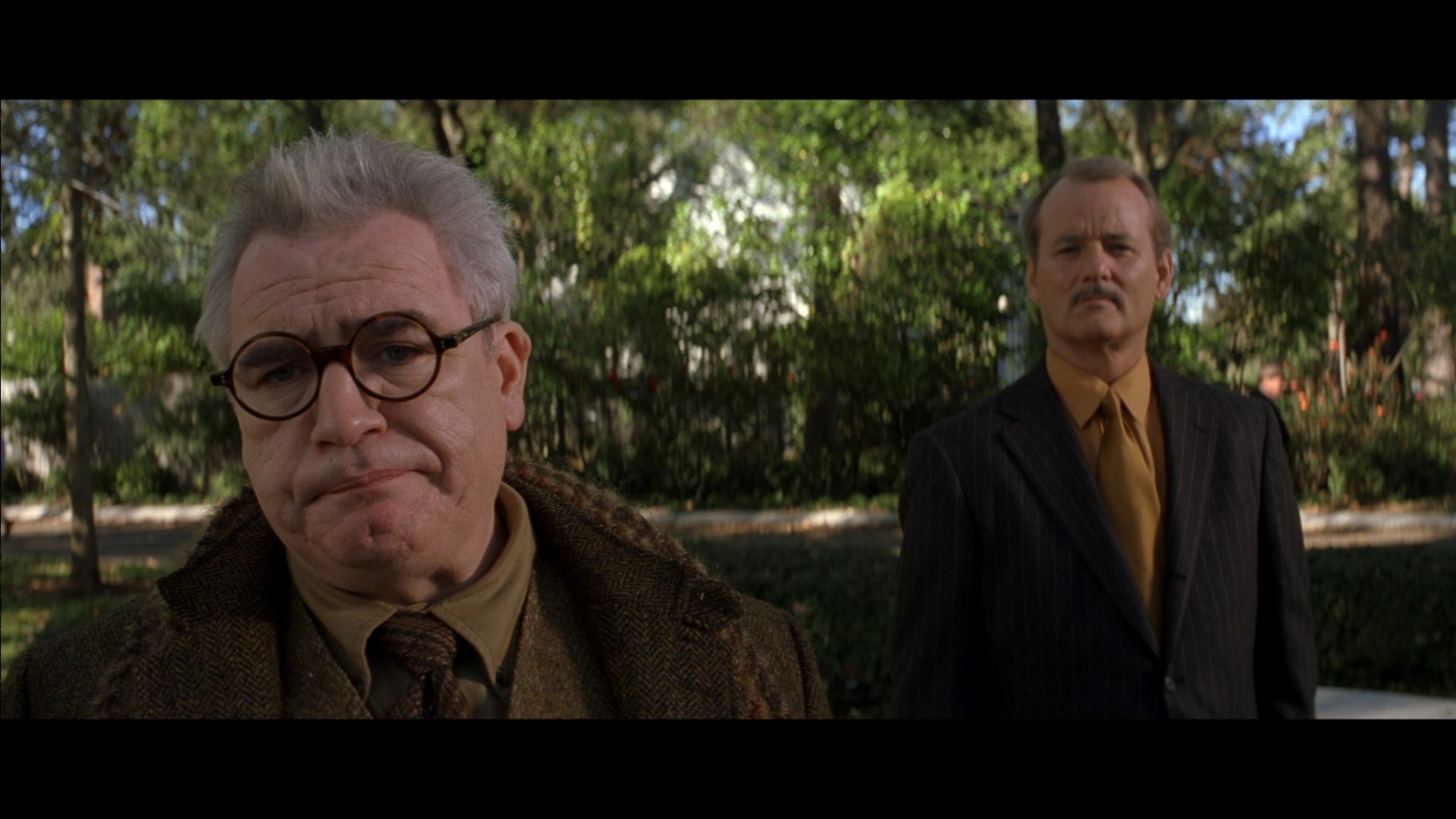
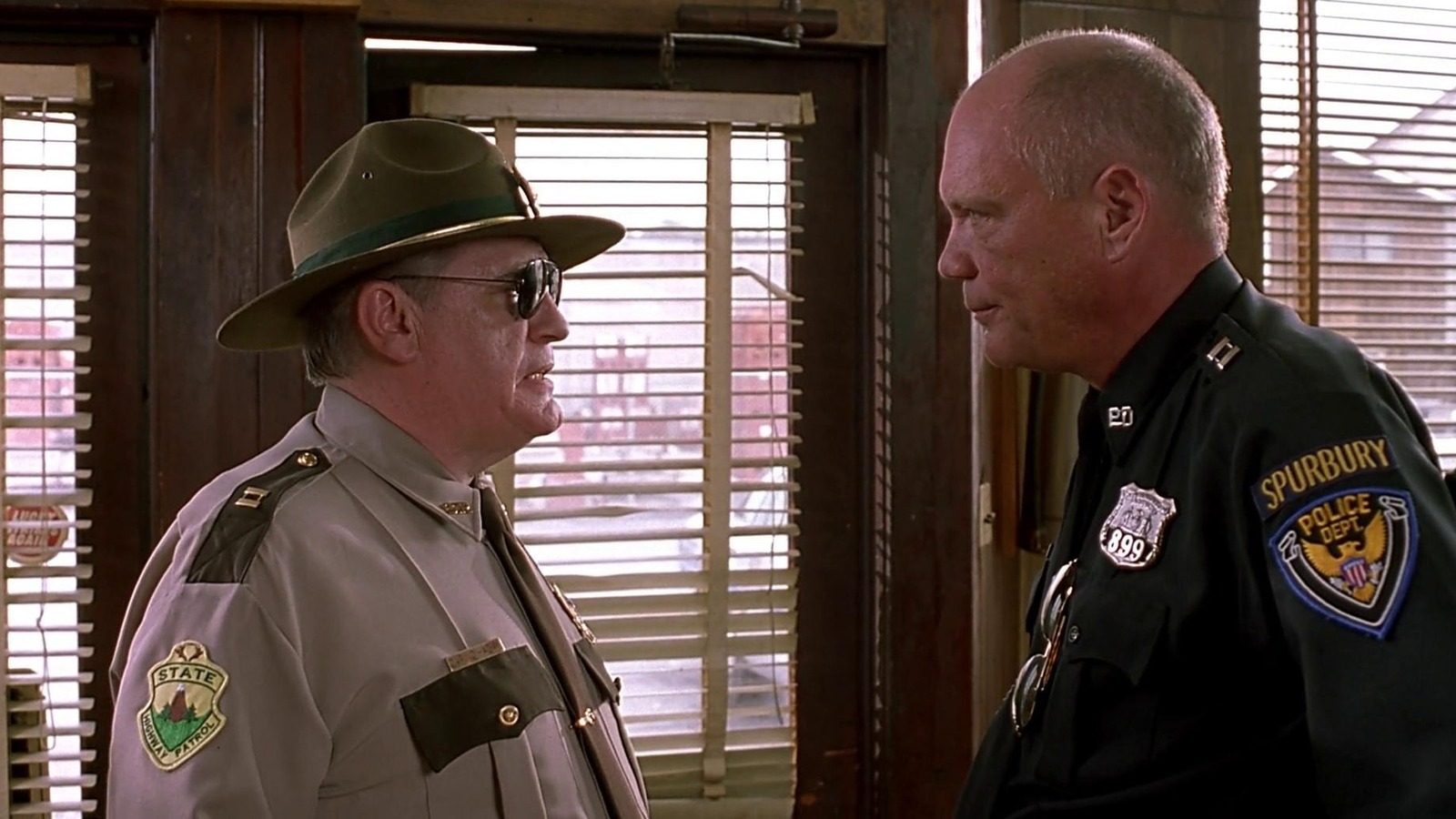
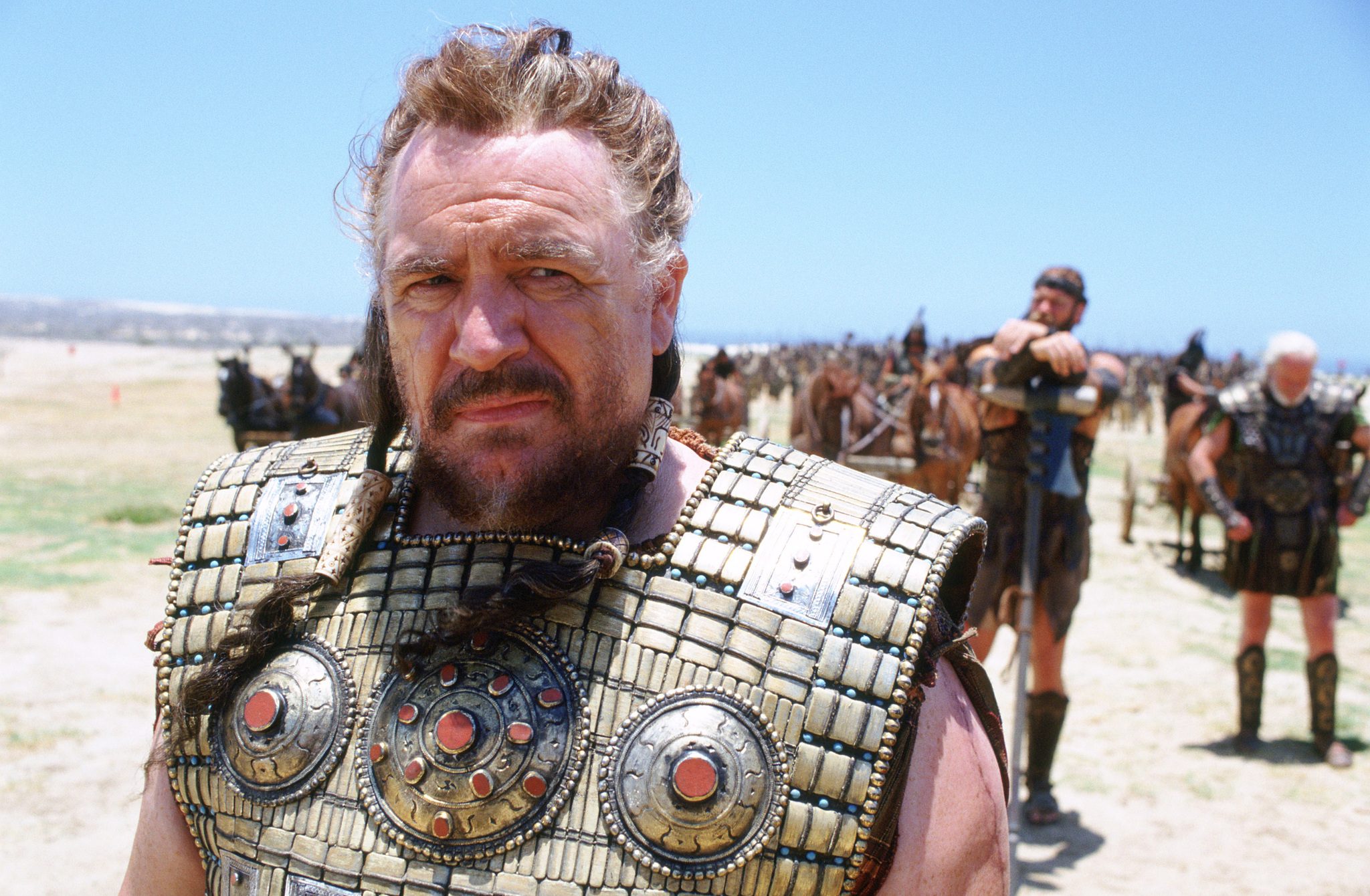
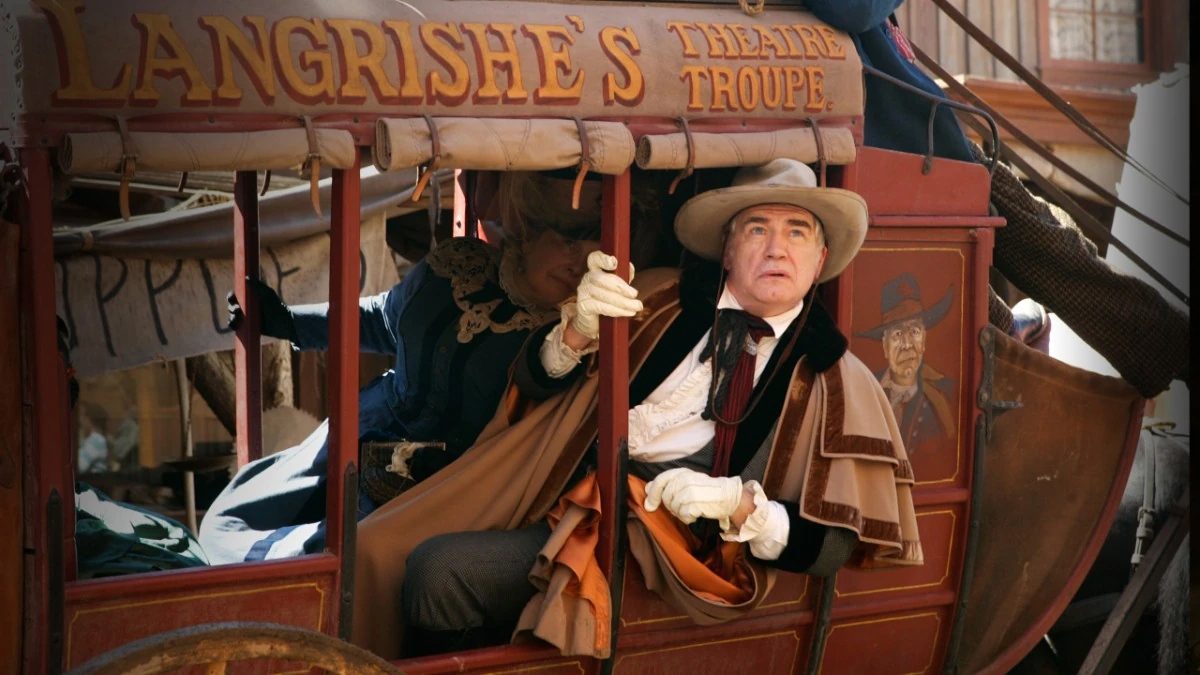
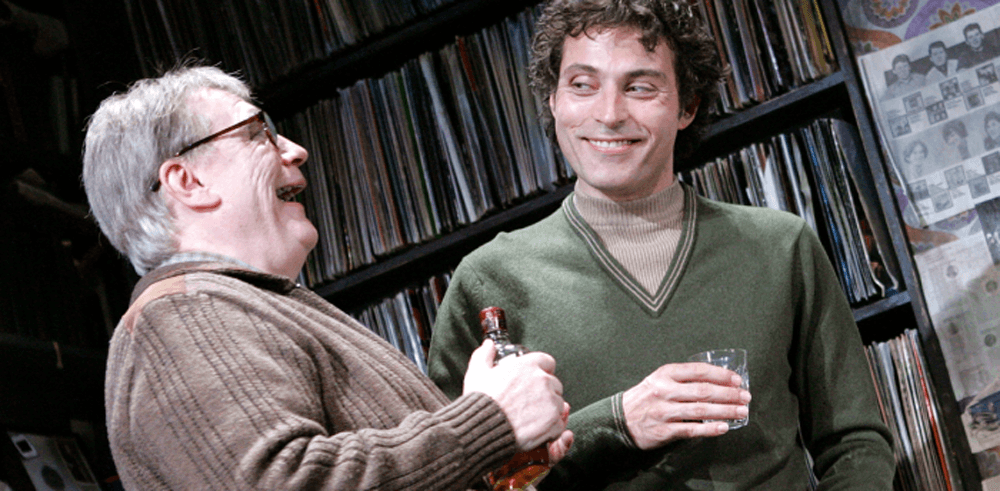
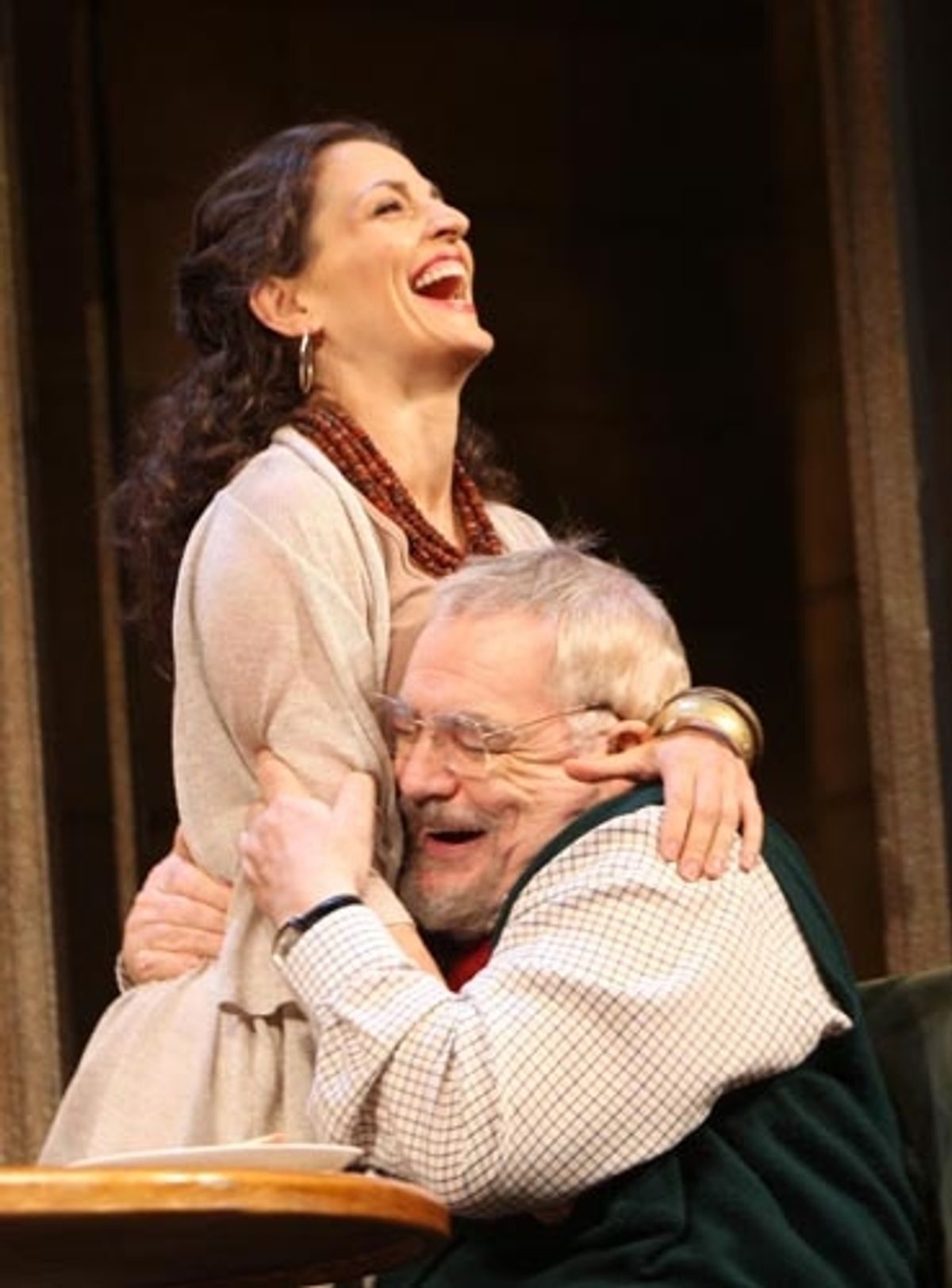
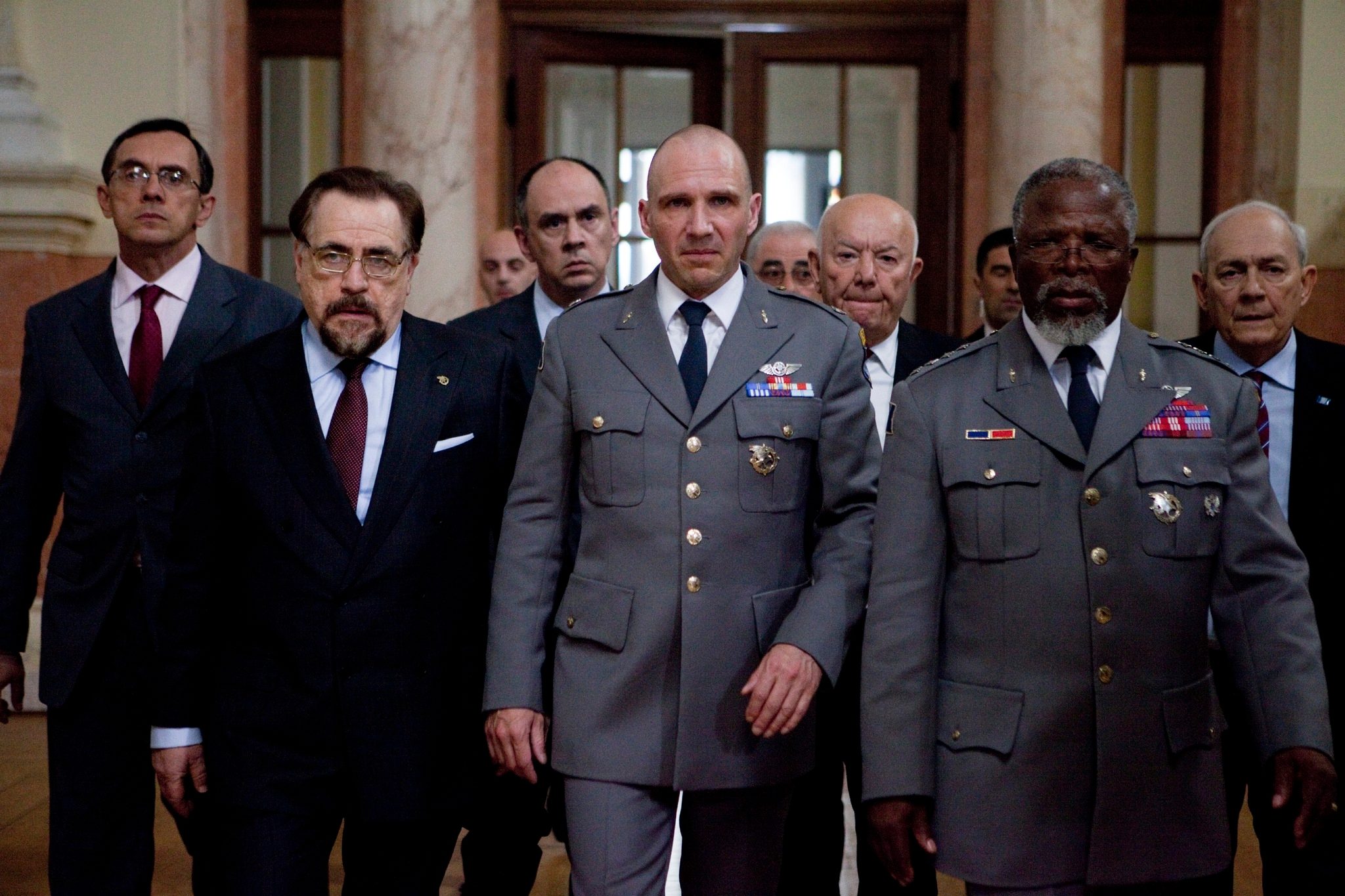
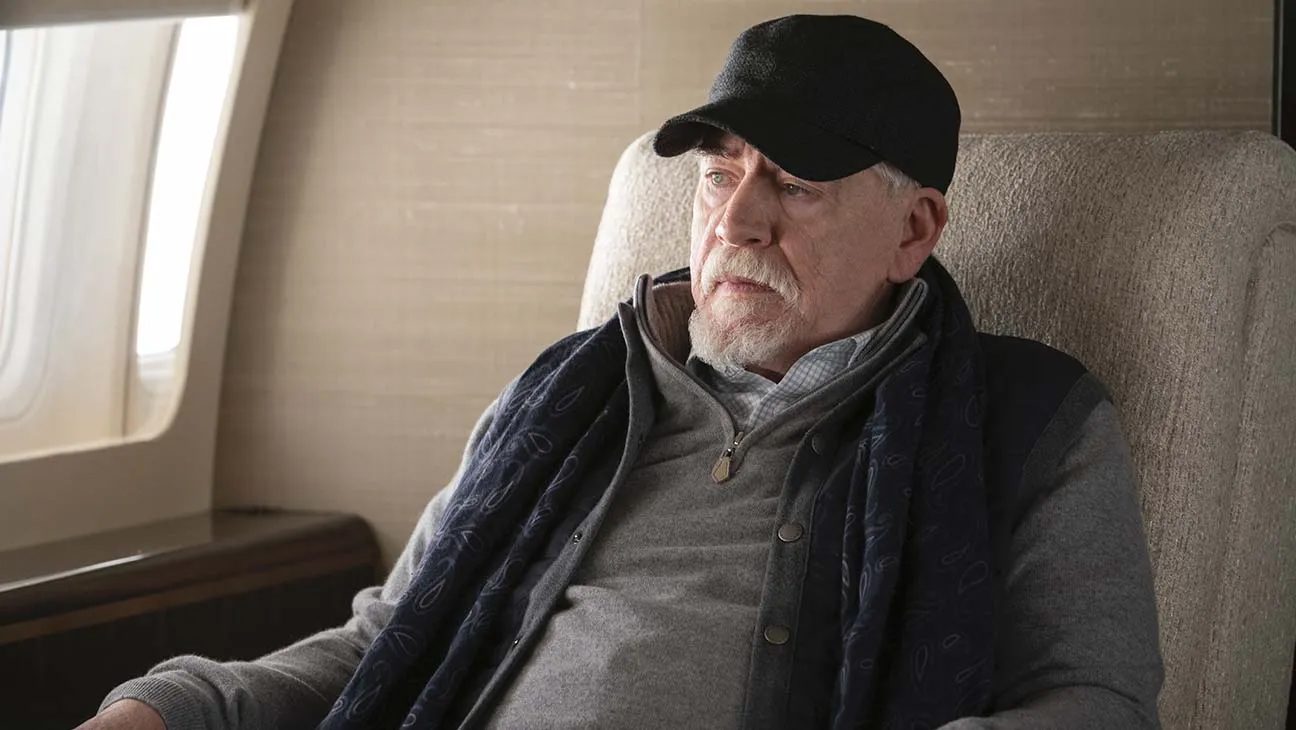
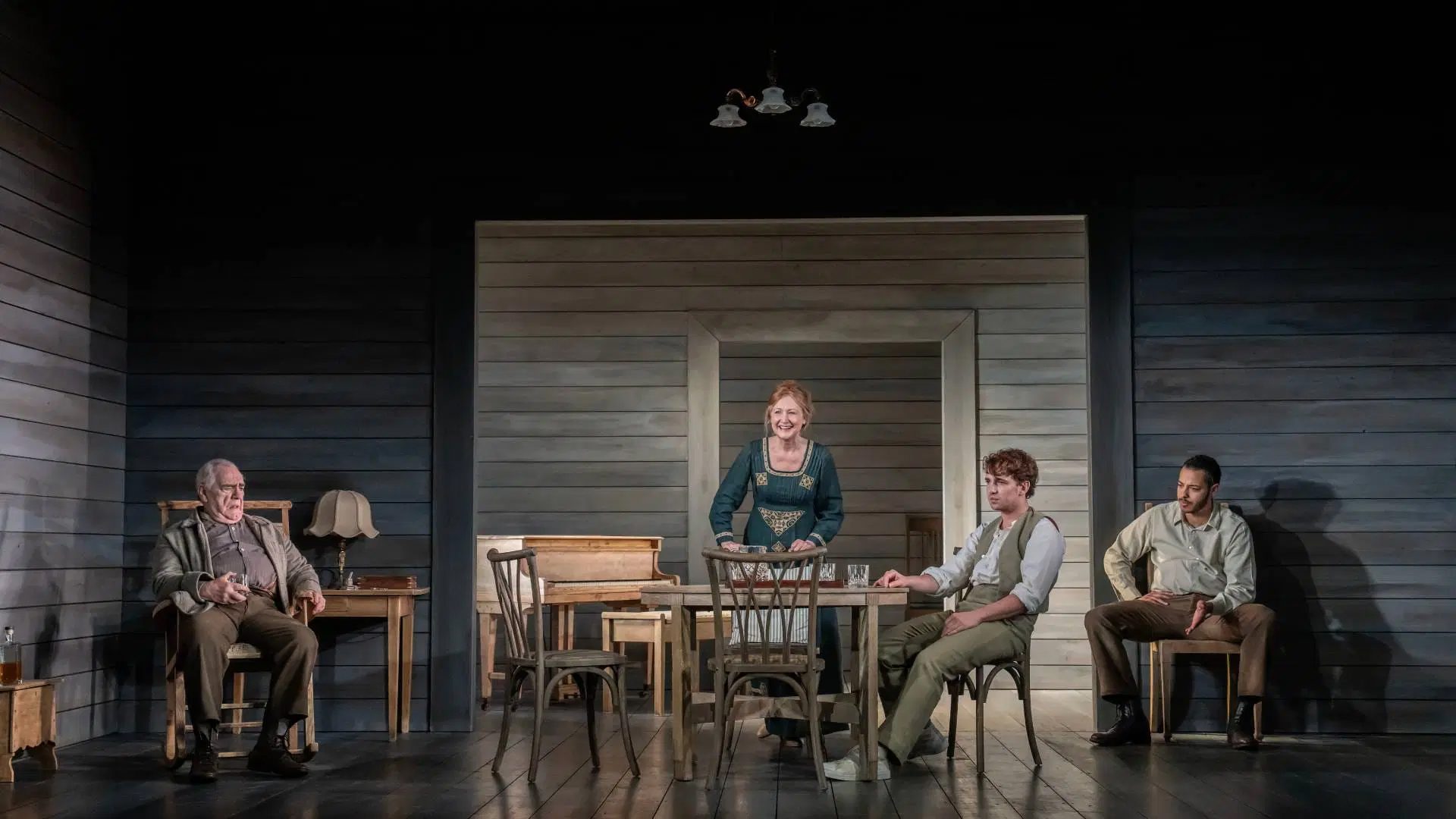
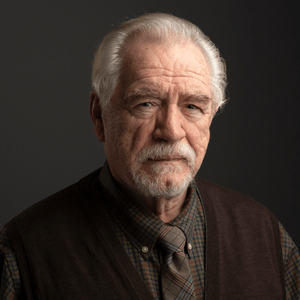
Brian Cox is known for his work across stage, television, and film. Recently he went behind the scenes with his feature directorial debut Glenrothan, a film shot on location in Scotland. Best known for his role in the HBO series Succession, for which he won the Golden Globe Award for Best Actor in a Drama Series, Cox is also the recipient of a Primetime Emmy Award for Best Supporting Actor in a Limited Series for his portrayal of Hermann Goering in Nuremberg. He appeared in numerous films including The Long Kiss Goodnight, The Boxer, Rushmore, Super Troopers, The Ring, 25th Hour, Troy, Red Eye, Zodiac, The Escapist, Fantastic Mr. Fox, Rise of the Planet of the Apes, Coriolanus, Manhunter, Churchill, The Bourne trilogy, as well as Little Wing, The Parenting, and The Electric State. Most recently, he joined the cast of Dexter: Resurrection season 2. An accomplished veteran of the stage, Cox won two Olivier Awards for Best Actor for his performances in Titus Andronicus and Rat in the Skull for the Royal Court. He starred in The Score at the Theatre Royal Bath, which transferred to the Theatre Royal Haymarket, and Long Day’s Journey Into Night. He also appeared in Make It Happen, which premiered to great acclaim at the Edinburgh Festival. His New York theatre credits include St. Nicholas, which earned him the Lucille Lortel Award for Outstanding Actor as well as Drama Desk and Outer Critics Circle nominations.

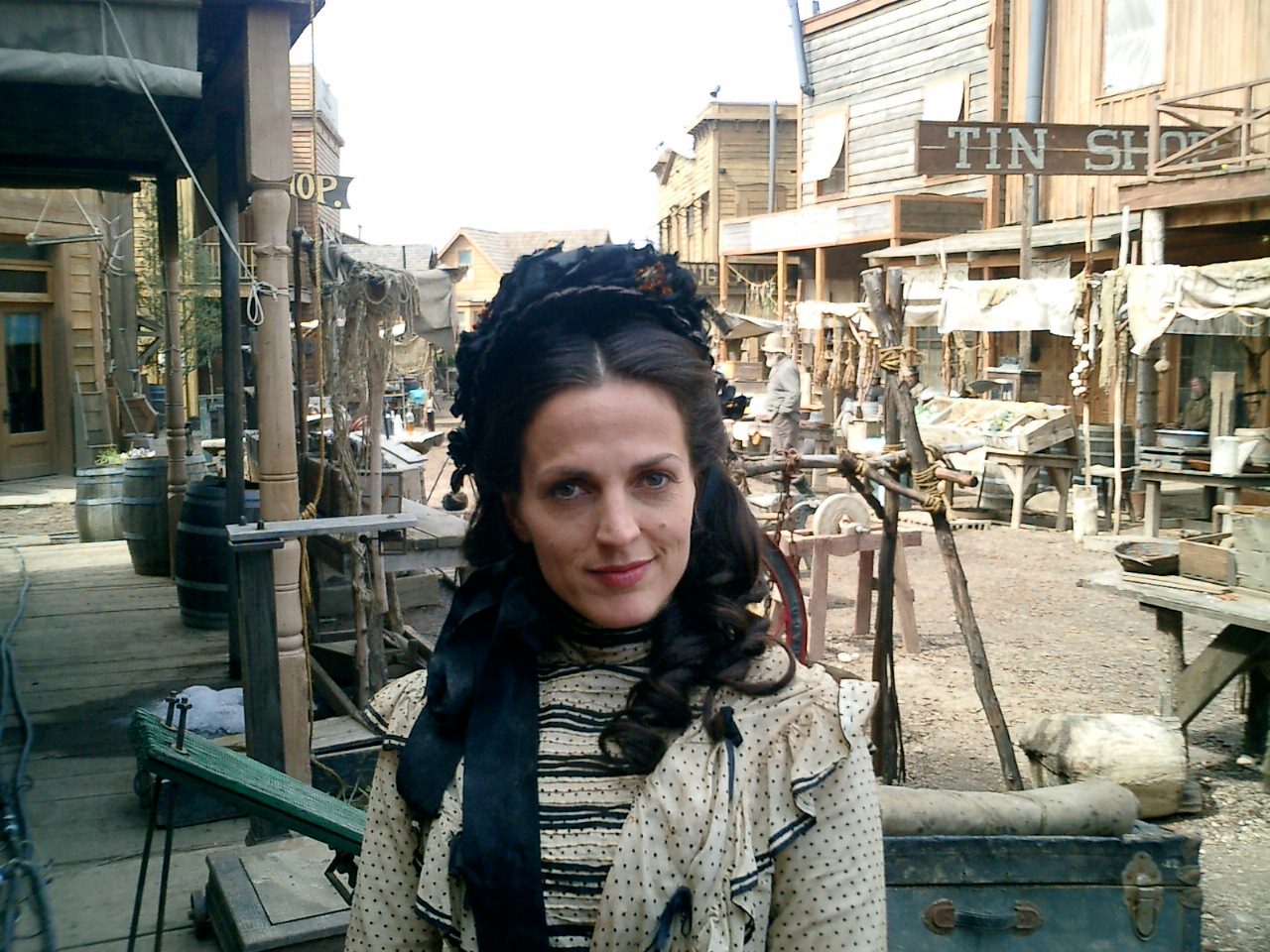
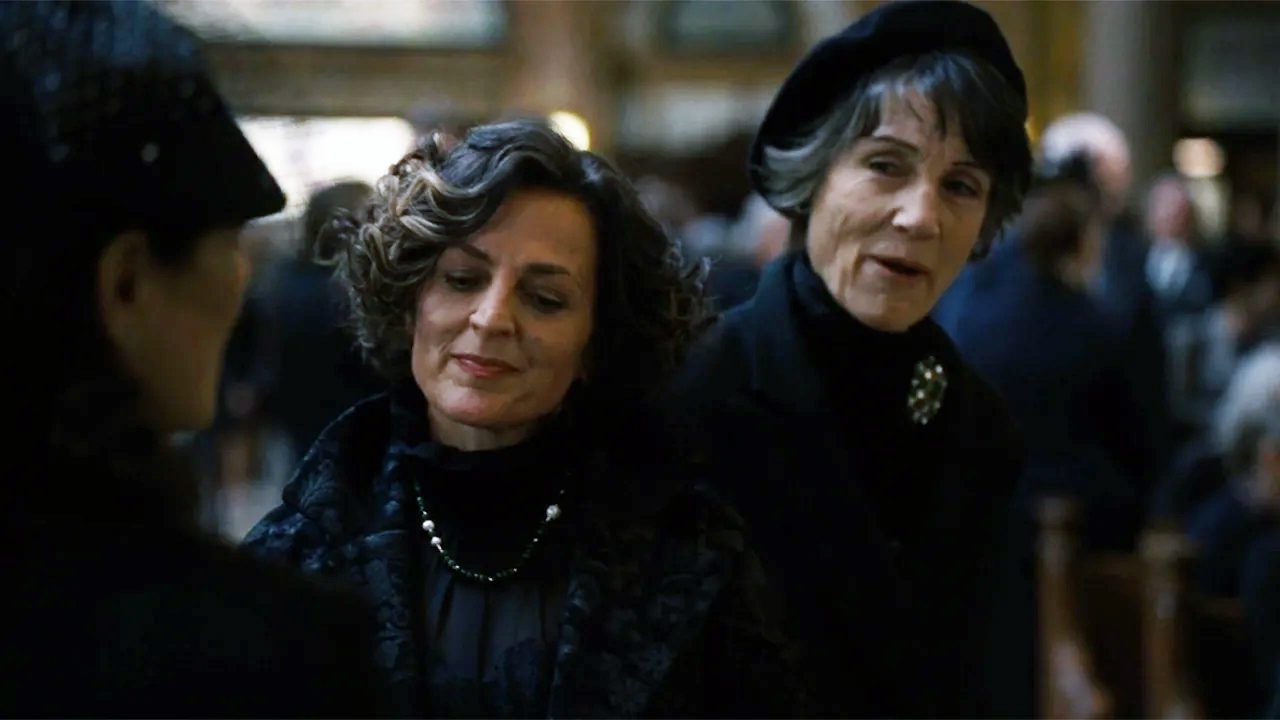
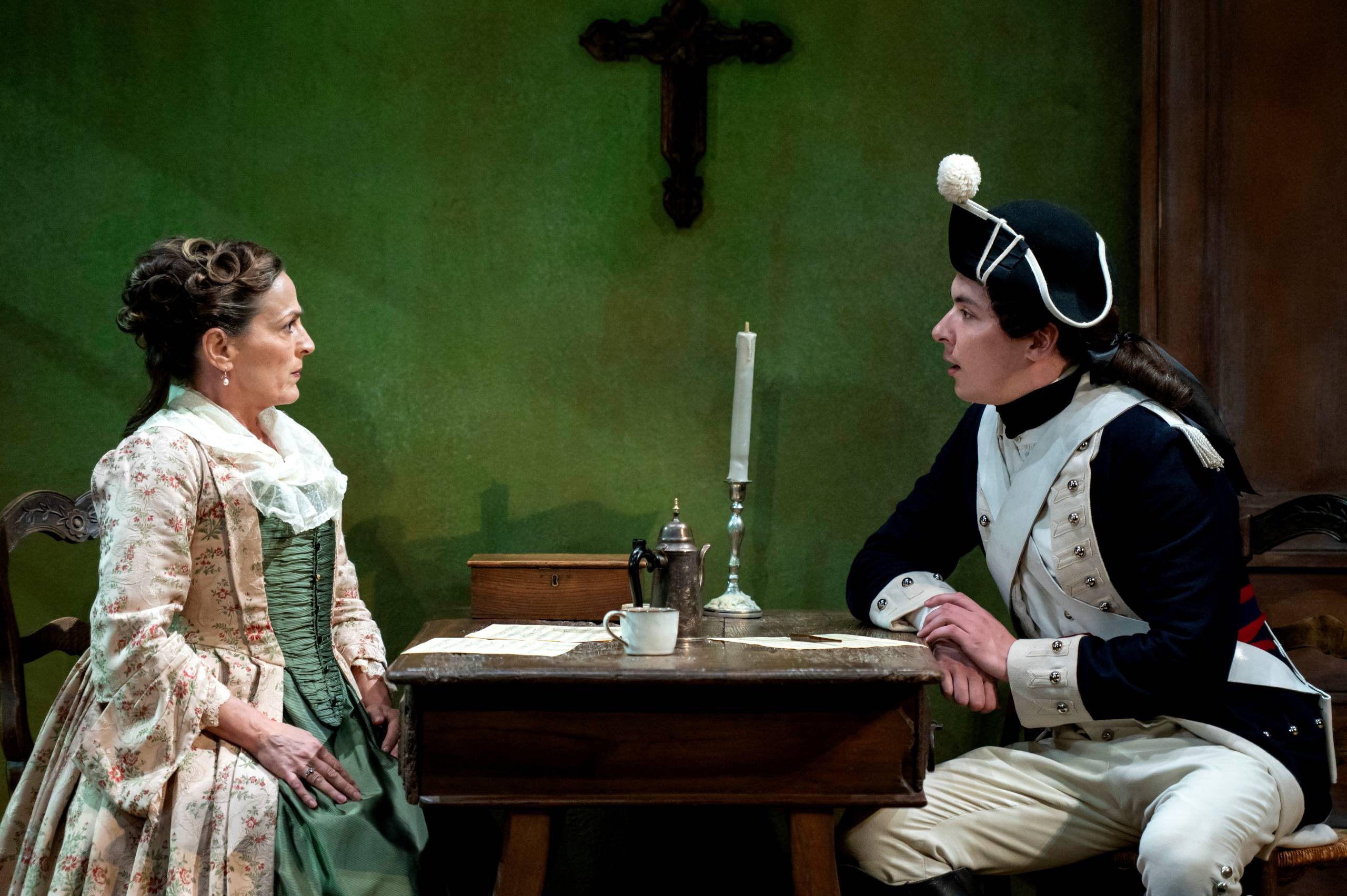
Nicole Ansari-Cox is an award-winning actor, director, writer, and producer whose career spans cultures and languages across Europe and North America. She has worked with film directors such as Martin Campbell and Steven Soderbergh, appeared on stage in the West End and on Broadway under Trevor Nunn, and was a company member of Paris’s renowned Théâtre du Soleil, led by Ariane Mnouchkine. Nicole starred alongside her husband, Brian Cox, in the West End hit The Score, which will transfer to Washington, D.C. this fall. Her recent film and television credits include the UK sewage scandal drama Dirty Business with David Thewlis (Channel 4); Under the Stars (Amazon Prime, with Toni Collette and Andy Garcia); Just Play Dead (with Samuel L. Jackson and Eva Green); Winds of Change; Your Fault: London; Hotel Tehran (with Liam Neeson); and Glenrothan with Brian Cox and Alan Cumming. For Glenrothan, Nicole also served as second unit director and executive producer. The film opened nationwide in theaters across the UK on April 17th. Nicole has directed two short films and the award-winning web series MESSY. She has also directed several productions for New York City’s Rubin Museum of Art. As a producer, her features include Blumenthal, As Good as Dead, Skelly, and Glenrothan.
Previous:
The Complete Life of William Shakespeare, with Paul Menzer
Related

Of Roys and kings: “The shadow of Succession”
Austin Tichenor explores the copious Shakespearean echoes in HBO’s Succession series, in which the Shakespearean actor Brian Cox plays a key role.

Harriet Walter
In 2012, London’s Donmar Warehouse opened an all-female Julius Caesar, starring Dame Harriet Walter as Brutus and directed by Tony nominee Phyllida Lloyd. Set in a women’s prison, it was the first of a trilogy of all-female productions, all starring Walter.

Patrick Stewart on a Life Shaped by Shakespeare
We talk to Sir Patrick Stewart about his Yorkshire youth, auditioning for the RSC, and his most famous roles on the stage and screen.
Transcript
FARAH KARIM-COOPER: From the Folger Shakespeare Library, this is Shakespeare Unlimited. I’m Farah Karim-Cooper, the Folger director.
[Music fades]
KARIM-COOPER: Over a career spanning more than 50 years, Brian Cox has become one of the most recognizable actors in Hollywood.
He was the first actor to portray serial killer Hannibal Lecktor on-screen in Manhunter.
[CLIP from the 1986 film Manhunter, directed by Michael Mann. Brian Cox is Hannibal Lecktor.]
HANNIBAL LECKTOR: Didn’t you really feel so bad because killing him felt so good? And why shouldn’t it feel good?
KARIM-COOPER: He played Argyle Wallace in Braveheart, Agamemnon in Troy, and headmaster Nelson Guggenheim in Rushmore. Not to mention his starring role as Logan Roy in HBO’s Succession.
[CLIP from the television series Succession, Season 2 Episode 3 titled “Hunting.” Brian Cox is Logan Roy, Matthew McFadyen is Tom Wambsgans.]
LOGAN ROY: Which one of you boars did it? Tom.
TOM WAMBSGANS: Yes?
LOGAN ROY: Sit on the floor. It’s fun.
TOM WAMBSGANS: Seriously?
LOGAN ROY: Yeah, it’s a game, Boar on the Floor.
TOM WAMBSGANS: I really, I feel-
LOGAN ROY: Get down. Boar on the floor! Boar on the floor!
KARIM-COOPER: Long before Succession, Brian Cox made his reputation as a Shakespearean actor. For his West End debut in his early 20s, he played Orlando in As You Like It. Brian played the Duke of Burgundy opposite Laurence Olivier’s King Lear and later played the title role in a National Theatre production that toured internationally. For the Royal Shakespeare Company, he played Petruchio in The Taming of the Shrew and Titus in Titus Andronicus.
He’s won awards from the Screen Actors Guild, the BAFTAs, the Emmys, the Golden Globes, the Lucille Lortel and the Olivier Awards, among many others.
Brian is currently starring as Johann Sebastian Bach in The Score, directed by Trevor Nunn at the Shakespeare Theatre Company here in Washington, DC.
His co-star in The Score is also his wife, Nicole Ansari-Cox. Nicole got her start acting in German television and film and studied at the Actors Studio in New York.
Nicole became a member of the prestigious Théâtre du Soleil in Paris and performed at the Public Theatre in Vienna. She had a recurring role on HBO’s Deadwood, and a cameo as one of Logan Roy’s former mistresses in Succession.
Here are Brian and Nicole Ansari-Cox, in conversation with Barbara Bogaev.
——————-
BARBARA BOGAEV: Brian, you have played Bach before in a television movie back in the 1980s, and I think you said back then that Bach seemed kind of like a really boring guy. So, what made you want to take this second shot at him?
BRIAN COX: Because of the play. Because of Oliver’s writing, Oliver Cotton’s writing. It’s an allegorical piece, really, when you look at it now, especially the way things are shaping up, particularly in this country at the moment. That’s why we’re getting such great responses from the Washington audiences: because there’s a real need, because of the tension that people live under in Washington. It’s a tremendous tension. You know, everywhere you go, there’s National Guard, there’s ICE people, you know, it’s all over the place, and the audiences, they actually show you what it’s like to live here, and they just enjoy the play because they get it. They get the play because they get it in relationship to their own lives and the kind of pressure they’re living under.
BOGAEV: The resonance. And for people who haven’t seen the play, it takes place under the reign of Frederick the Great in the 18th century. He’s trying to solidify the Prussian Empire. He’s a very brutal and tyrannical ruler, but he’s also a music fan, and he summons Bach to his court in Potsdam. I read somewhere that the playwright, Oliver Cotton, is one of your oldest friends, right?
COX: Very old friend, yeah.
BOGAEV: And he’s a musician.
COX: Yeah.
BOGAEV: And I understand at some point he played you some Bach.
COX: He played me a chaconne, and I said, “Wow, that’s great. What is it?” And he said, “It’s Bach.” I had no idea. I was pretty ignorant about Bach, and I still am, actually, but it was incredible, because the music suddenly, you know, it suddenly hit me in a way that I hadn’t been hit by it before.
Also, the other thing about playing Bach is, I think you need about three hands, because what you do with your fingers—I always think, “How can he get—?” because I have to mime every night, you know, an Italian concerto, and then I’ve got to do the King’s piece as well.
BOGAEV: Yes, I was watching you to see what you’d do.
COX: I’ve now got into it, but my God, I kept thinking, “I need another hand to work.”
BOGAEV: Well, Nicole, Anna Magdalena Bach was anything but boring. An accomplished opera singer, a working woman who helped run the family business with Bach, and while giving birth to, you know, 300 children. [Laughter] I mean, what? 13 children?
ANSARI-COX: 13.
BOGAEV: Right, and then she also took care of four kids from Bach’s first marriage. How much did you know about her before you took the role?
ANSARI-COX: To be honest, I didn’t know much about her. I only knew about the controversy and the findings that she must have transcribed most of his music and, arguably, contributed to the writing of the music. So, there are whole studies done on that, but our play doesn’t go into that at all.
BOGAEV: No. She did compose music after his death, and there’s maybe not consensus among scholars whether she might have composed some music credited to Bach, but just a complicated woman. And you have a showstopper in the middle of the play where you defend your home and your music school that you run with your husband and your children from the occupying forces of Frederick the Great.
ANSARI-COX: Yes. We spend most of the first act after Bach leaves Leipzig in Potsdam with the king, and the whole conflict happens in Potsdam where the king is and where Bach’s son Carl is one of the court composers.
In the second act, we go back to Leipzig, and it really puts into perspective what’s happening and how the invasion of Leipzig is experienced by its citizens. Here we’re showing Anna Magdalena defending her home from getting billeted by soldiers and literally kicking a soldier out. It’s a great scene that I’m playing with a young actor called Will Kerr, and we get applause every night.
BOGAEV: Because your rage is so palpable. Does that come easily you as an actor?
COX: Yes, I know that rage.
[Laughter]
ANSARI-COX: Brian knows it intimately. Rage, I think my parents would say, “Oh, yeah.” I think my children would also say, “Yeah.” Rage is something that I don’t have to search for very long. I think there’s a lot to be rageful about in this world.
COX: I also help her. I help her with her rage. I’m a good target for that—probably a well-deserved target, too.
[Laughter]
BOGAEV: Well, Brian, what do you zero in on in this performance? The keen sense of injustice he has, or his probing philosophical mind, or these big questions that the play is asking about how art can survive when despots rule?
COX: I think the thing starts with his whole question of whether he should go to Potsdam or not, and he’s riven by that. He’s flattered by the fact he’s been invited, but he’s also riven by the fact that he’s going to see a man who he clearly despises, as they say in the play—and despises for certain reasons because of what he’s done, and what’s happened in Leipzig, and the rape of the blind girl.
BOGAEV: Right. Frederick the Great’s soldiers rape a young blind girl in Bach’s town of Leipzig.
COX: Yes, so the moral issue is what’s really the difficulty because both his vanity wants the approval, but at the same time, he realizes that there is a cost, a personal cost, to that in terms of his own morality. So, he’s going there with a sort of moral imperative, and it’s very hard because he is a moral man. It’s a painful situation for him, but it’s also slightly comic as well because of the counterpoint to what’s going on.
BOGAEV: So, in terms of acting, that’s your understanding of the man. Do you just go with that and not overwork it? Be in the middle of that?
COX: You should never overwork. That’s bad acting—
BOGAEV: Certainly.
COX: You deal with the dilemmas as they come at you. First of all, the wife saying, “You’ve got to go.” And he’s saying, “I’m not sure about going. I don’t want to go.” and he blames the weather. He’s looking for any excuse not to go, and of course, all excuses fail and he’s never not going to go. But it’s something that is really, deep down. He’s very concerned because he realizes that if he does go to Potsdam, he’s going to have to face the king. Morally, he’s going to have to face the king, and in a way, he’s dreading it. That’s why he doesn’t want to go, because he knows that there’s something that he has to say.
And so, therefore, he thinks, “Should I extend myself? I’m just a musician. I’m a composer. I shouldn’t. Maybe it’s out of my depth.” There’s all of that. I think a lot of us have that problem when we come to feel a moral conflict that’s going on. We don’t know if, “Should we go that way or should we go this way?” And I think that’s what Bach is faced with. He’s already in a dilemma from the word, “Go,” and it continues throughout—and then the ignominy of playing for the king without his clothes on doesn’t help either, you know? So, all of that.
BOGAEV: There’s a moment where the king arrives and he’s not wearing his pants.
COX: He’s not wearing his pants, that’s right, and of course, you realize that 17th-century underwear is greater than what you wear on the outside now.
BOGAEV: Right, it’s not very revealing.
COX: No, it’s not at all.
BOGAEV: Well, Trevor Nunn directs this production, and you’ve both worked with Nunn before on the play Rock ‘n’ Roll. What’s notable about his directing style? I’ll ask that of you, Nicole.
ANSARI-COX: Trevor has a really unique way of treating text, and treating the actors, and creating an atmosphere. He’s wonderful at creating a company and he’s a very loving director. He has clear vision and there’s always a visual aspect that is stunning in his creations. Coming from the German/French auteur, kind of, cinema and theater, I was shocked the first time I worked with him, to see how polite he was. I remember it.
BOGAEV: Oh really?
ANSARI-COX: Yes, yes. It took him ages just to say to me—you know, another director would have maybe said, “Nicole, next time we run this, come through the left door, stage left.”—and he would go, “Nicole, if you don’t mind, I would find it rather intriguing to try something else the next time we do this.” That was very new to me! [Laughter.]
BOGAEV: Well, as I was watching this production, The Score, I was ticking off a number of Shakespearean parallels. For instance, The Score deals with brutal tyranny in the distant past, which has deep resonance with the modern-day audience, and that’s obviously something Shakespeare did over and over.
Also, this production plays up comedy and black humor despite being quite serious drama, which can be a really hard thing to balance in a production.
All of that reminded me of an interview that you did, Brian, about Titus Andronicus for the Shakespeare on Stage series, and you talked about why black humor is so important to that play specifically and to drama in general. You said that comedy and tragedy together create a third mask, and I think you said the third mask is ludicrousness, and that’s important for the audience.
COX: Yes, and that’s what the audience knows in Washington, because they’re living in a ludicrous time, and you see it plainly. You see it in Washington. You see it everywhere you go.
BOGAEV: You do. While we’re on Titus, you won an Olivier Award for your performance in that role, and I wondered how much madness entered into your interpretation of him. I mean, is he performing madness like Hamlet, or is he driven mad over the course of the play?
[CLIP from Titus Andronicus, produced by the Royal Shakespeare Company in 1987 and directed by Deborah Warner. Brian Cox is Titus.]
TITUS ANDRONICUS: Hark, wretches, how I mean to martyr you.
This one hand yet is left to cut your throats,
Whiles that Lavinia ’tween her stumps doth hold
The basin that receives your guilty blood.
You know your mother means to feast with me,
And calls herself Revenge, and thinks me mad.
Hark, villains, I will grind your bones to dust,
And with your blood and it I’ll make a paste,
And of the paste a coffin I will rear,
And make two pasties of your shameful heads,
And bid that strumpet, your unhallowed dam,
Like to the earth swallow her own increase.
This is the feast that I have bid her to,
And this the banquet she shall surfeit on;
For worse than Philomel you used my daughter,
And worse than Procne I will be revenged.
COX: Well, Titus is interesting because he’s a man who’s impervious to the fact that he’s lost so many of his sons in war. And he’s a warmonger. I mean, that’s what he is. He’s a general, he’s a warmonger, that’s what he understands, and he comes back to a situation where the world is turned upside down. He is a bit mad anyway, but he uses his madness, unlike Hamlet, who pretends to be mad. Titus is pretty mad. He’s pretty insane.
So, some of the writing in Titus is some of the best writing in Shakespeare, because it’s all ideas which he develops later on in other plays, but we see it in its rawness in Titus. Particularly the grief scene: the wonderful scene of grief when he discovers his daughter’s been raped and has had her hands cut off. And that scene is just one of the most amazing scenes in Shakespeare. You know, it was just an incredible thing to do, and then working with the great Deborah Warner, who just took it at an angle. She turned the picture sideways, so you saw it in a very different way, and the whole production became like that.
It was a very organic production. I remember when we came into the room and there were a couple of ladders, steel stepladders leaning against the wall, and the boys, the company, immediately grabbed those and they became part of the play. I came in sitting on top of a stepladder.
That’s the real thing about it. The organic nature of what you do. You have to trust that more than anything else because it’s an organic enterprise. That’s what the theater is. It’s an active organism that goes out to others and you share with others.
BOGAEV: Is it also useful, Titus and these Shakespearean roles, in your television work?
COX: It’s all important because it all comes from the root of consciousness, you know? It’s about being conscious and unconscious, you know. That’s what we go to in plays, we go from moments of consciousness when you realize something, and then something comes along and you don’t realize it, you don’t know. You’re always in a state of flux. You’re always going from one thing to the other, and most dramas do that. Hamlet does it. And that’s really the strength of any acting. That’s what you have to do as an actor. You have to really go into it.
My generation were very much, you know, the generation at the end of the Olivier career and the Gielgud career and the Richardson career, and they marked the cards, particularly in the British theater, for so many years. So, we’re just beginning to get liberated from that, you know, and find a much less class-orientated approach in what is manifest, whereas you use your class to find out what is the truth, so, you’re always dealing with the truth.
BOGAEV: Well, I want to play a clip here because some people haven’t seen you in Shakespearean roles in this country. You played a small role of Burgundy in a 1983 TV adaptation of Lear, and because you mentioned Olivier¯
COX: Yes.
BOGAEV: And he played Lear. This was his last Shakespeare performance. Let’s hear you in that.
[CLIP from the 1983 television production of King Lear, directed by Michael Elliott. Lawrence Olivier is King Lear and Brian Cox is Burgundy.]
BURGUNDY: Royal king,
Give but that portion which yourself proposed,
And here I take Cordelia by the hand,
Duchess of Burgundy.
LEAR: Nothing. I have sworn, I am firm.
BURGUNDY: I am sorry, then, you have so lost a father
That you must lose a husband. </
BOGAEV: And at this point, Olivier starts swinging his sword at you and you’re off. What are your most vivid memories of working with Olivier?
COX: I don’t know if I can tell this story because… Well, it’s true, I can tell, it was nearly 40 years ago, so I will tell the story.
That weekend there had been a BBC TV production of Lear, directed by Jonathan Miller, with a very good performance by Michael Hordern.
So, Larry, he was not well. In fact, he died shortly after. He would go to his bed, and we actually had another actor who did all his movements in the morning, and then Larry came in in the afternoon.
We were doing the first scene and he sat there and said, “I don’t know my lines. I don’t know a word of this part.” That weekend, there had been a BBC TV production of Lear, directed by Jonathan Miller, with a very good performance by Michael Hordern.
And he kept saying, “I don’t know my lines. I don’t know a word of this part. Not a word of this part. I really don’t know. I don’t know why I’m here. Why am I here? Why am I here? Did anybody see Michael Hordern?” And then he would be interrupted again, and then finally he came on and he said, “You know, Michael Hordern knew his lines. He knew all of his lines. But I’m still a better actor than him any day!”
[Laughter]
I could not believe it. I could not believe it. Ted Petherbridge, who was playing France, I mean, we just looked at each other. We were completely gobsmacked at the rage that came out of this man. And that was Larry, you know.
BOGAEV: That’s so Lear.
COX: Oh, yeah.
BOGAEV: Worry and a ball of anxiety, but still, you’re incredibly competitive and full of rage.
COX: Exactly, exactly. And Ralph Richardson, Ralph used to say, “Well, Laurence has always been a bit like that.”
BOGAEV: Well, you were only 44 when you played the role of Lear.
COX: I know.
BOGAEV: Every actor who plays Lear has to make sense of why he chooses to divide his kingdom just so disastrously at the beginning of the play. So, what was your backstory to that? And what was your “in” to a man who was exhibiting all of these qualities that you just described, really, in Olivier?
COX: If I did it again, I would not play it as extreme as I played it the last time. Because what I did was, I used to cut up the bits of country that they were all going to get and hand it to them, which was, you know, a good idea, but it was a bit crazy. A bit nuts.
But he is a bit crazy anyway, Lear. You know, he says, “Give me my men and I’m happy, and I’ll just come to stay with each of you.” “No, no, no, you can’t.” You know, the whole craziness of the family, and the letdown, and how it’s not a real family, and all of that comes across.
If I did it again, it would be entirely different from the Lear I played back in the early ’90s. It would be an entirely different performance.
BOGAEV: Even the essence of it? Because I think you say how you understood it back then was that he had a terrible need to be loved, and you can’t buy love.
COX: Well, that’s right. I think that that’s the root of him, which is why he does what he does. He divides his kingdom up. But it’s Cordelia who will not play ball with him, you know. Because she will not deal with any lies, she’s not going to put up with any of that, and he knows why she’s doing it, but at the same time, he’s trying to quash it and keep it.
ANSARI-COX: You know, King Lear was actually the show that gave us the opportunity to meet, Brian and me.
COX: Absolutely.
ANSARI-COX: He came with the National Theatre to Hamburg. I had just finished drama school. I did the Scottish play in Zurich, and I had a hiatus of two weeks. So, I went back to Hamburg to help welcome the National Theatre, and that’s how I met Brian in, what, ’91?
COX: ’91.
BOGAEV: But you didn’t get together until much later, right?
ANSARI-COX: Until ’98, yes.
BOGAEV: But did you fall in love with Lear?
ANSARI-COX: Oh, absolutely. I remember watching the show and I was in floods of tears after the show, and I said to my friend, “Oh my God” —I thought he was an English actor—”I’ve never seen an English actor who is so incredibly committed and free in his body.”
You know, I was used to hearing British actors just have an incredible eloquence in the language, but not the connectedness to emotion and the body. Of course, Brian is a Scot, so it makes a big difference.
BOGAEV: That’s so interesting you say that because Brian, I know you tell a story—well, I mean, it’s obvious watching you act, you’re very economical in your movements, but very expressive at the same time—you tell a story about how at a certain point you had a dresser, I think, in India.
COX: Oh, yeah.
BOGAEV: A woman, a dresser, who helps you change costumes.
COX: Yeah.
BOGAEV: And she gave you a note about movement.
COX: She was wonderful. She was a Kathak dancer, you know, which is an Indian dance. The British thing is always to be very measured in your acting, you know, and she said, “Why don’t you use your body more?” And I thought, “This 16-year-old kid is telling me to use my body more? How dare she,” you know?
And she said, “You don’t mind, Mr. Cox?”
I said, “No.”
And she said, “I just think you want to… you know, I can feel it in you. I feel that you want to move.”
And I said, “Oh, well, you’re right.”
So, she used to come and stand in the wings, and I would try things out, particularly in the business between the two big speeches, you know, “If it were done when ’tis done.” I mean, I shouldn’t quote Macbeth, but, you know, the famous speech, and when he’s preparing to kill the king, to kill Duncan.
She had me crawling all over the floor, and it was an astonishing kind of release. And I thought, actually, physically, if you’re truthful, you can do anything.
And she was right because I had always this frustration, and I just wanted to go that bit further, but I wasn’t quite sure if I should, or I was also afraid of being ham, you know? I didn’t want to be ham, as it were, you know, overact.
So, I learned a big lesson from her, and subsequently, I was able to bleed it into my work as I went on as an actor.
BOGAEV: I love that. So, bleeding it into your work maybe we can apply that to your performance as Logan Roy in Succession, because that, it seems like he encompasses almost all the Shakespearean villains or characters you’ve played. There must be some Titus in there, or is it all 100% Lear?
[CLIP from the television series Succession, Season 2 Episode 3 titled “Hunting.” Brian Cox is Logan Roy, Jeremy Strong is Kendall Roy.]
KENDALL ROY: I’m better than you.
LOGAN ROY: Sure. You’re my son. I did my best. And whenever you [BEEP] up, I cleaned up your [BEEP]. And I’m a bad person? [BEEP] off, kiddo.
COX: I think Logan Roy is one of the most misunderstood characters in drama. All he wants—it’s very simple—all he wants is one of his three children to take over his business. It’s a family thing. He wants them to continue it, and they’re hopeless. They are totally hopeless, and they want it for other reasons.
Everybody went on about the Murdoch thing, and I don’t think it’s about Murdoch. The difference between Logan Roy and Murdoch is that Murdoch came from an inheritance. He already had a family, they were already publishers, he came from that—
BOGAEV: And Logan had nothing.
COX: And Logan had nothing. Logan started from nothing. They made him come from Dundee, which is my hometown, which is slightly odd, because I went back to Dundee, I go back regularly, and it’s a difficult town at the best of times, but it was doubly difficult because I had to go back as Logan Roy as well as Brian Cox. I was very happy to go back to Dundee and Wemyss, but Logan Roy wasn’t at all. And I’m now less happy going back to Dundee, but that’s a different problem.
BOGAEV: But I think what I hear you saying is that what informed your performance in that role is that he has this great love for his kids, but also, they’re so entitled that it fills him with disgust.
COX: That’s right.
BOGAEV: So, that’s the tension there. Is that what you’re keying into?
COX: Yeah, but the thing is, the moment comes when he says, “I love you, but you’re not serious people.” And that says it all, and that’s what he is. He’s a serious man. I mean, he’s ruthless. But he’s not a bad man, Logan. In fact, all he wants is some of his family to take over his business. He’s not thinking of selling it off, he’s not thinking of doing that. He wants it to be a family business.
BOGAEV: I just want to dig into the craft that you apply to these ideas. I’m thinking of, well, what every actor talks about, which is being in the moment. That’s the essence of it, right? On the most simplistic level, I guess it’s focus and not thinking ahead. But being in the moment gets to all of these deep questions. What’s the line between pretending and being real when you’re acting? Brian, you did this wonderful experiment about being in the moment with your friend’s child in Scotland, and you recorded it.
[CLIP from YouTube: “Brian Cox Masterclass with Theo”]
BRIAN COX: Say, say, “To be or not to be, that is the question.”
THEO: Yeah, it is!
BRIAN COX: That is the question. Yeah.
BOGAEV: I love this so much. Yeah, that is the question that he responds to you in the moment. He answers.
COX: It is. “It is,” he says.
BOGAEV: Yeah. What were you going for with this?
COX: He just showed a great capacity for language for somebody so young.
His mother’s a writer and his father’s a wonderful television arts producer, John, and I was just fascinated by this little boy, just his sense of words, so, I thought, “I’ll try teaching him ‘To be or not to be.’” He could do that and still look at his action men off in the corner. He’s watching his action men, and he would go between the two worlds, and I just thought, “This is extraordinary. This child does it, and he did it without thinking.” He just did it, and I just thought, “Wow.”
We give ourselves a hard time and we don’t realize so much of it is much easier than we make out. And that’s the other thing about acting. It’s not always about a religious experience. It’s about flow. It’s about how you flow into someone’s sensibility. I think that’s very important in acting, the flow that you create, and that’s what he did as a little boy. And I just thought, “Wow, this is astonishing.”
BOGAEV: Well, Nicole, what does being present when you’re acting mean to you, and what kind of technique does it involve? Or does it not involve technique, as Brian is saying? That it’s about flow?
ANSARI-COX: Yeah, I mean “flow” is a word that is being thrown around a lot. I think it is the state that every athlete is working towards, and everybody who’s doing anything creative leads to a state of flow. It is kind of addictive in a way, and I think that’s why we come back.
For me, it is a spiritual experience; when being in the present moment really is there and you’re sitting in it together with your other colleagues and you get into that flow state. That’s what I work for and a lot of it is shutting down the monkey mind, you know, that thinks of the groceries and the whatnot. All you are looking for is a certain purity.
In yoga, we call this state Shunya. Shunya is the neutral state, basically. So, it is a form of meditation to get into that state, but obviously you’re not always in a peaceful state because acting lives from conflict so, the peaceful state, you can never sit in it, it’s already gone. So, it is a moment-to-moment experience, and you have to trust that this moment authentically will get you organically to the next moment, so it’s constantly battling the demons of self-consciousness.
COX: And distraction.
ANSARI-COX: And distraction, yes, especially in our age and time where we’re so distracted by, you know, everything. Like, we’ve got the news in the palm of our hands, on our wrist, and soon injected into us, you know? We always have something new, some new information coming in. And so much about acting is about keeping a sense of purity.
BOGAEV: Well, Brian, is there still a Shakespeare role that you haven’t done that you’d like to?
COX: It’s hard, you know. I mean, there’s a lot of stuff out there, there’s a lot of Shakespeare plays that one likes. But I might do Lear again sometime because I’m now at the age that perhaps Lear should be done while I’ve still got my faculties.
BOGAEV: Lot of lines.
COX: A lot of lines.
BOGAEV: I want to thank you so much, both of you, Nicole, Brian, thank you for spending the time with me.
ANSARI-COX: Thank you.
COX: Thank you
ANSARI-COX: It was lovely to meet you, Barbara.
————–
KARIM-COOPER: That was Brian and Nicole Ansari-Cox, interviewed by Barbara Bogaev.
The Score runs at the Shakespeare Theatre Company in Washington, DC, until October 25th. You can find tickets and more information at Shakespearetheatre.org.
This episode was produced by Matt Frassica. Garland Scott is the executive producer. It was edited by Gail Kern Paster.
We had technical help from Voice Trax West in Studio City, California. Our web producer is Megan Fraedrich. Leonor Fernandez edits our transcripts. Final mixing services provided by Clean Cuts at Three Seas, Inc.
If you’re a fan of Shakespeare Unlimited, please leave us a review on your favorite podcast app. It really helps others find the show.
Shakespeare Unlimited comes to you from the Folger Shakespeare Library. Home to the world’s largest Shakespeare collection, the Folger is dedicated to advancing knowledge and the arts.
If you’re in Washington, DC, come visit the Folger on Capitol Hill. Come face to face with a Shakespeare First Folio in our exhibition halls or take in a play in our theater or enjoy our Quill & Crumb cafe. We’d love to see you. For more information visit our website, folger.edu.
Until next time, thanks for listening!